
Article
Dr Jack Cush reviews the news, journal articles and takes a few Back Talk questions this week:

Search for Terms or Answers
Dr Jack Cush reviews the news, journal articles and takes a few Back Talk questions this week:

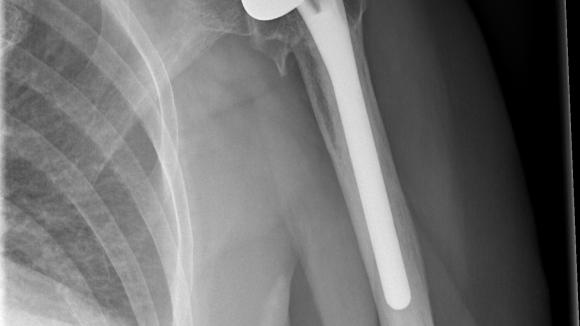
A systematic review of the outcomes of total shoulder replacements (TSR), humeral hemiarthroplasties, and reverse total shoulder replacements finds that approximately 90% of shoulder replacements last for longer than 10 years with good patient-reported outcomes.
A longitudinal study of administrative data from British Columbia shows that nonsteroidal antiinflammatory drugs (NSAIDs) use increases the risk of cardiovascular disease (CVD) among osteoarthritis (OA) patients.

Topical nonsteroidal anti-inflammatory drugs (NSAIDs) are recommended as first-line therapy in a new guideline for treating acute, non-low back pain from musculoskeletal injuries in outpatient settings.
Dr. Jack Cush updates the news and journal articles from the past week on RheumNow.com, with information on enthesitis, nr-Ax-SpA, UAB, Blockbuster Rheum Drugs and use of ACE inhibitors.
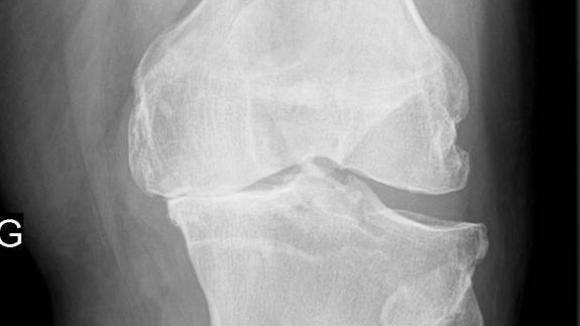
The interleukin (IL)-1β inhibitor canakinumab (Ilaris) showed promise for preventing the need for hip or knee replacement among patients with osteoarthritis in an exploratory analysis of data from a randomized clinical trial, investigators reported.
Among patients enrolled in CANTOS, the pooled incidence rate for total hip replacement/total knee replacement was 0.31 events per 100 person-years for those receiving the monoclonal antibody every 3 months for up to 5 years compared with 0.54 per 100 for those given placebo, according to Paul M. Ridker, MD, of Harvard Medical School in Boston, and colleagues.


By downloading this material, I acknowledge that it may be used only for personal use and personal education and that I will accredit RheumNow.com as the source and owner of this material. Commercial use or mass reproduction of this material without permission from RheumNow (info@rheumnow.com) is prohibited.

