
Article
Dr. Jack Cush updates the news and journal articles from the past week on RheumNow.com, with information on enthesitis, nr-Ax-SpA, UAB, Blockbuster Rheum Drugs and use of ACE inhibitors.

Search for Terms or Answers
Dr. Jack Cush updates the news and journal articles from the past week on RheumNow.com, with information on enthesitis, nr-Ax-SpA, UAB, Blockbuster Rheum Drugs and use of ACE inhibitors.
Several recent publications have focused on the risk and outcomes of rheumatic disease (RDD) and autoimmune patients who become infected with SARs-CoV-2.

Risk factors for perioperative infections include age, comorbidity, rheumatoid arthritis and steroids to name a few; whether concurrent use of TNF inhibitor (TNFI) therapy adds to this risk has been debated. In a study of elderly patients receiving infliximab infusions, infliximab use prior to surgery did not change the risk of post-operative infections.
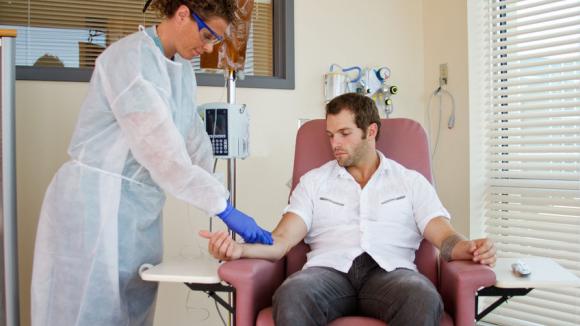
An observational study of patients with systemic autoimmune inflammatory rheumatic diseases (AIRD) who also had COVID-19 disease shows that AIRD increased the risk of hospitalization, but that the use of disease-modifying antirheumatic drugs (DMARDs) were not associated with hospitalization.

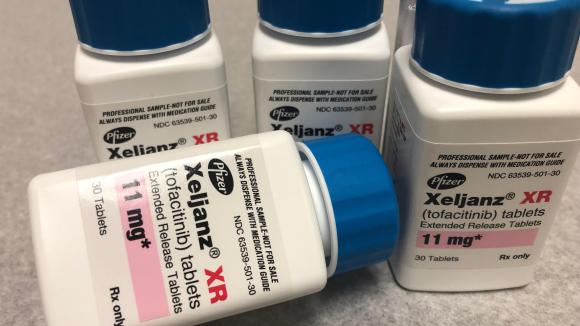
An analysis of the tofacitinib (Xeljanz) drug development program in patients with rheumatoid arthritis (RA), psoriatic arthritis (PsA) and ulcerative colitis suggests a low level risk for venous (VTE) and arterial thromboembolism (ATE).
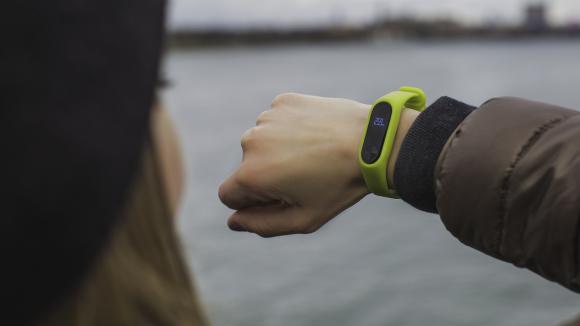
In this lockdown, virtual medicine, post-COVID world, wouldn't it be ideal to have an reliable digital readout on patient activity as a measure of health?
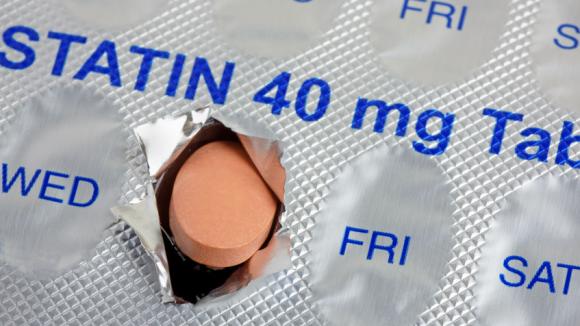
Ridker and colleagues have shown that statins (3-hydroxy-3-methylglutaryl coenzyme-A (HMG Co-A) reductase inhibitors) are effective at treating hyperlipidaemia and lowering C-reactive protein levels; Aranaow and colleagues have shown that lovastatin, when given to rheumatoid arthritis (RA) patients with elevated CRP levels failed to significantly lower disease activity.
By downloading this material, I acknowledge that it may be used only for personal use and personal education and that I will accredit RheumNow.com as the source and owner of this material. Commercial use or mass reproduction of this material without permission from RheumNow (info@rheumnow.com) is prohibited.
