
Article
Dr. Jack Cush comments on the last week's news and journal highlights on RheumNow.com.

Search for Terms or Answers
Dr. Jack Cush comments on the last week's news and journal highlights on RheumNow.com.

A large Canadian study of the drug use in ankylosing spondylitis (AS) demonstrated no evidence that the risk of serious, hospitalized infection was influenced by the use of DMARD and/or of tumour necrosis factor inhibitors (TNFi) therapy.

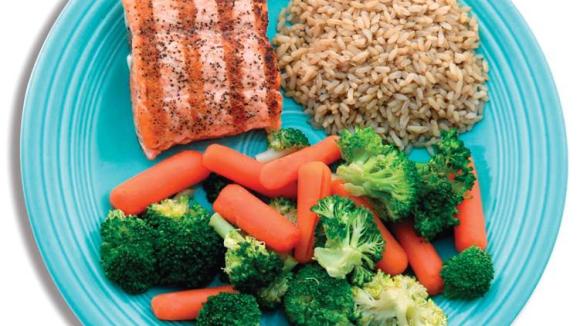
A systematic review by the Medical Board of the National Psoriasis Foundation examined the role of diet in managing adult patients with psoriasis and/or psoriatic arthritis and suggest that dietary interventions to reduce disease severity.
Reuters reports that the U.S. Health and Human Services Secretary Alex Azar had declared his agency has the authority to eliminate rebates on prescription drug purchases, a key element in the administration’s plan to lower prescription medicine costs.

Yesterday, the American College of Rheumatology (ACR) met with U.S.

Dr. Cush reviews the articles and news from the last week on RheumNow.com. Information on comorbidities, the downside of steroids, unmet need in psoriatic arthritis, and the top 10 rheumatology programs.

Comorbidity is pervasive and complicates medical care in general. It can be a by-product of aging. It may result from drug therapy or an inciting disease process and may be part of the constellation that defines the primary disorder. A growing body of evidence that suggests that comorbidity has a significant dampening effect on drug responsiveness and, adds to poorer outcomes in patients with inflammatory arthritis.

There is a large body of data that shows tumor necrosis factor inhibitors (TNFi) use in rheumatoid arthritis (RA) confers the same risk as that seen in RA - meaning there is no increase over and above that incurred by inflammation and RA itself. There are fewer studies about whether it is s
The type of biologic disease-modifying anti-rheumatic drug (DMARD) being used and remission duration were important factors predicting whether remission was maintained among patients with rheumatoid arthritis after cessation of the biologic, a Japanese study found.

An Australian prospective study of patients with rheumatoid arthritis (RA), psoriatic arthritis (PsA) and ankylosing spondylitis (AS) has shown that sustained use of tumour necrosis factor (TNFi) inhibitors or biologics can reduce the risks of cardiovascular events (CVEs).

Dr. Jack Cush reviews the news and latest journal articles from the past week on RheumNow.com. Info on Surgery and Hip Fractures, Gout drugs abandoned, Allopurinol escalation, hydroxychloroquine drug levels, how to treat scleroderma in India and exactly who gets back pain.

This nationwide study of adults (50+ yrs) from Denmark has shown that following a fragility fracture, the 10-years mortality risk was increased, especially in the first year following the fracture.

The current edition of JAMA Internal Medicine describes an Asian gout patient who presents with an allopurinol hypersensitivity reaction that could have been diagnosed by testing for HLA-B*5801.

Saag and colleagues report the results of a 3 month phase III trial demonstrating equal efficacy between febuxostat extended release (XR) and immediate release (IR) formulations in patients with gout. and normal or impaired renal function.
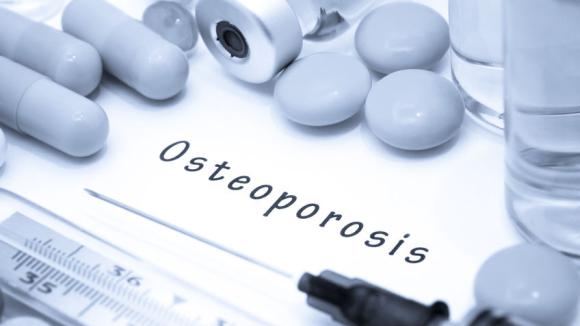
New developments with the FDA and new scientific findings are adding momentum to two drugs experts believe are game-changers in osteoporosis treatment.
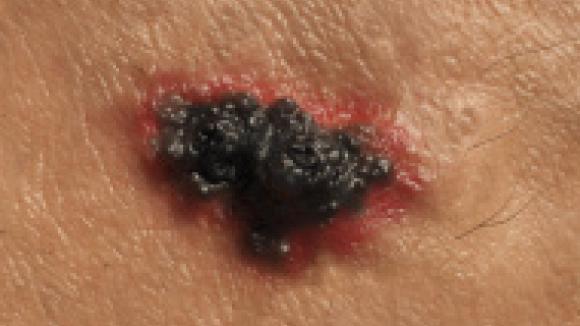
A prospective study of psoriasis patients from the British Association of Dermatologists Biologic Interventions Register demonstrated that infliximab therapy yielded 2-3 times more serious infection than seen in those treated with non-biologic DMARDs or methotrexate (MTX).

Dr. Jack Cush reviews the news and highlights from the past week on RheumNow.com, including new treatments for LTBI, gout consequences, RA and offspring risk, PsA risk, and the opioid epidemic effects.
As physicians turn away from opioids, are they resorting to options that may also be unsafe?
The New York Times reports that some physicians are using the anti-inflammatory drug, Depo-Medrol, for intraspinal injections to manage painful spinal and perispinal disorders.

Interleukin-1 (IL-1) suppression helped reverse symptoms of dilated cardiomyopathy (DCM) for one patient in a case study that may implicate inflammation in the development of the condition.

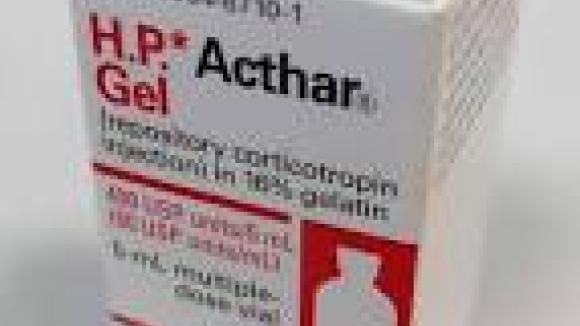
Despite its exorbitant price tag and paucity of supportive clinical evidence, ACTH (corticotropin) sales have increased in the United States. A recent JAMA article examined its use by specialists and found that those who prescribe ACTH (including rheumatologists, nephrologists, neurologists) received corticotropin-related payments from the products sole manufacturer, Mallinckrod.
By downloading this material, I acknowledge that it may be used only for personal use and personal education and that I will accredit RheumNow.com as the source and owner of this material. Commercial use or mass reproduction of this material without permission from RheumNow (info@rheumnow.com) is prohibited.

