
Article
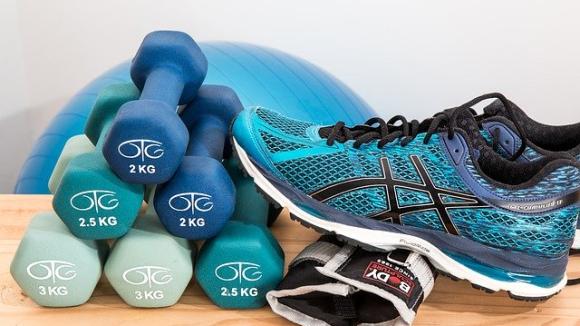
Exercise is known to improve function, pain and quality of life (QOL) in patients with knee osteoarthritis (KOA), but optimal amount of exercise is unknown.

Search for Terms or Answers
Exercise is known to improve function, pain and quality of life (QOL) in patients with knee osteoarthritis (KOA), but optimal amount of exercise is unknown.
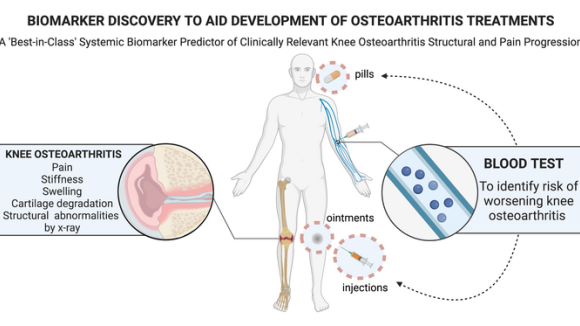
NIH funded researchers from Duke University have developed a set of serum proteomic biomarkers that successfully predict clinically relevant knee osteoarthritis (KOA) progression (both structural change and joint pain) over a 2 year period.
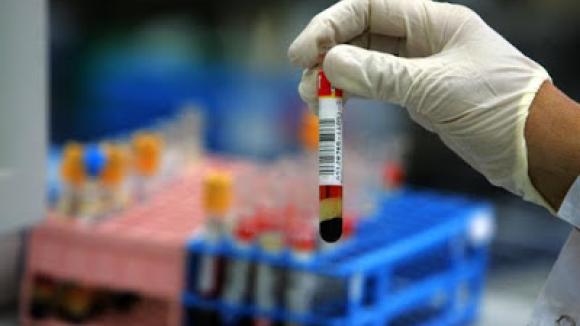
A new blood test that can identify progression of osteoarthritis in the knee is more accurate than current methods, providing an important tool to advance research and speed discovery of new therapies.
A cross-sectional global study shows a substantial impact of obesity and BMI on the health and economic impact of patients with musculoskeletal (MSK) disorders.
In states with legalized medical cannabis use, 3 in 10 persons are using cannabis to manage their pain.

A global, population-based study shows that physical inactivity is not only an important modifiable risk factor for non-communicable diseases (NCDs) and mental health conditions, it also imparts a considerable health and economic burden that is avoidable.

The drug talarozole – which increases retinoic acid – could be a promising new treatment for hand osteoarthritis.
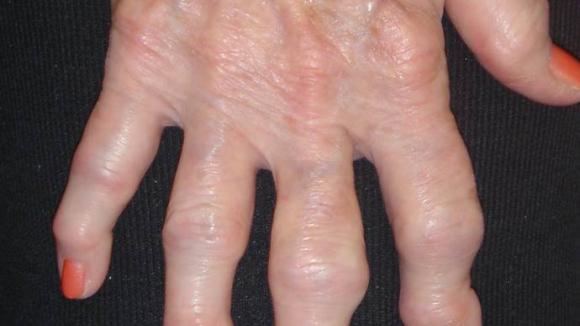
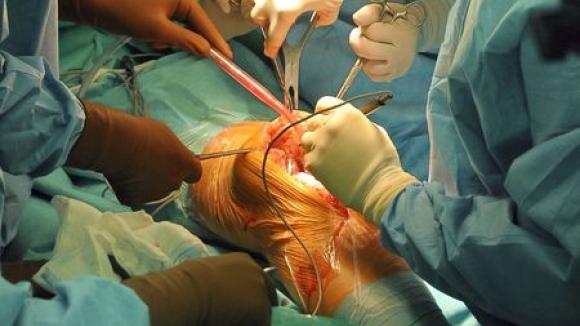
Osteoarthritis is a common chronic condition that usually causes joint pain and can be severe enough to require knee and hip replacements.




By downloading this material, I acknowledge that it may be used only for personal use and personal education and that I will accredit RheumNow.com as the source and owner of this material. Commercial use or mass reproduction of this material without permission from RheumNow (info@rheumnow.com) is prohibited.
