

All News

Reefer Madness (12.12.2025)
Dr. Jack Cush reviews the news, journal and regulatory reports from this past week on RheumNow.com. B cell drugs in SLE and ITP, biomarkers in GCA & PSS and great videos by APPs.
Read Article
Metabolic Bone Pearls
Betsy Kirchner, DNP, shares practical tips for managing metabolic bone disease, including the importance of VFA imaging to catch asymptomatic vertebral fractures and utilizing fracture liaison services to close care gaps. She highlights key pearls like the doubled fracture risk in RA patients, ACR's risk stratification for glucocorticoid-induced osteoporosis, and a simple FRAX adjustment calculation that can improve treatment decisions.
Read Article
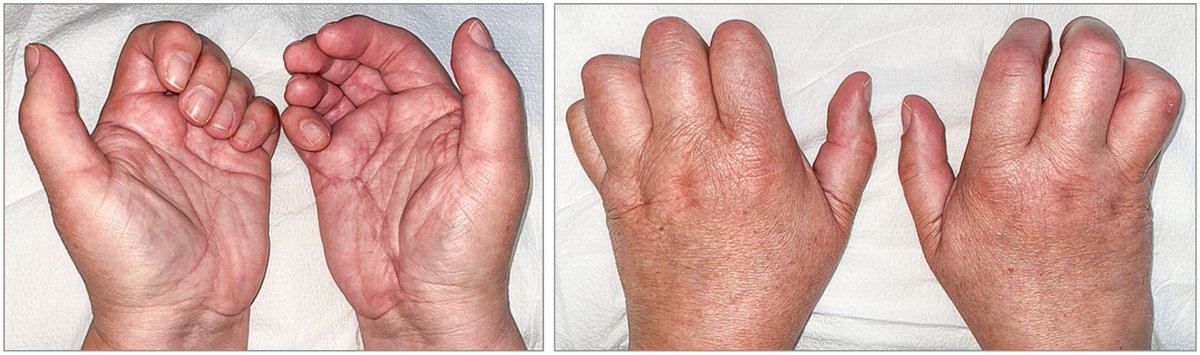
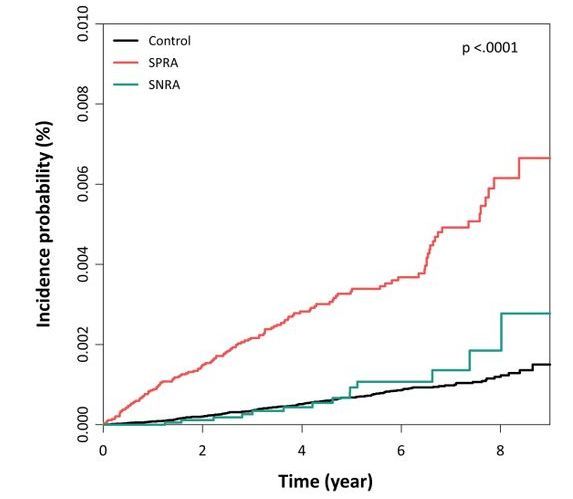
I Can't Believe it's Not Seronegative Rheumatoid Arthritis?!
In rheumatology, we're no stranger to uncertainty. In any diagnosis of seronegative rheumatoid arthritis, it's always our invitation to reconsider the diagnosis.
Read Article
Evaluation of Rheumatic Complaints
Dr. Cush provides a systematic approach to evaluating musculoskeletal and rheumatic complaints in clinical practice.
Read Article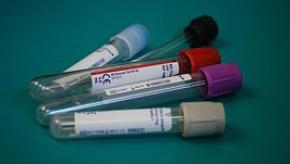
British Society of Rheumatology Guideline for Monitoring DMARDs
The British Society of Rheumatology has published an update to their previous 2017 BSR/BHPR guideline regarding the use and monitoring of DMARDs (disease-modifying anti-rheumatic drugs) used to treat systemic autoimmune rheumatic diseases (SARDs).
Read Article
APPs in the News (12.5.2025)
Dr. Jack Cush reviews the news and journal reports from RheumNow.com, including info on scleroderma, dermatomyositis and malignancy, rheumatologist and APP salary concerns.
Read Article
High Cost of Cancelling Knee Replacement Surgery
Thousands of NHS knee replacement operations are cancelled at short notice every year, many for avoidable reasons, according to a new study published December 1st. This costs the NHS millions of pounds and increases waiting times for patients, many of whom are in severe pain.
Read Article
Turkey Tryptophan (11.28.2025)
Dr. Jack Cush reviews the news and reports from this past week on RheumNow.com, including reports on FDA resurrections, FM seasonal worsening, and do you fight switch or swap biologics in PsA TNFi nonresponders?
Read Article
Dr. John Cush RheumNow ( View Tweet)

Links:







Links:

