Clinical dilemmas in axSpA and PsA
Sponsored by UCB

Search for Terms or Answers

Despite an increasing number of highly effective therapies for axial spondyloarthritis (axSpA), a proportion of patients continue to experience difficult-to-manage (D2M) disease. In response, the Assessment of SpondyloArthritis international Society (ASAS) recently developed


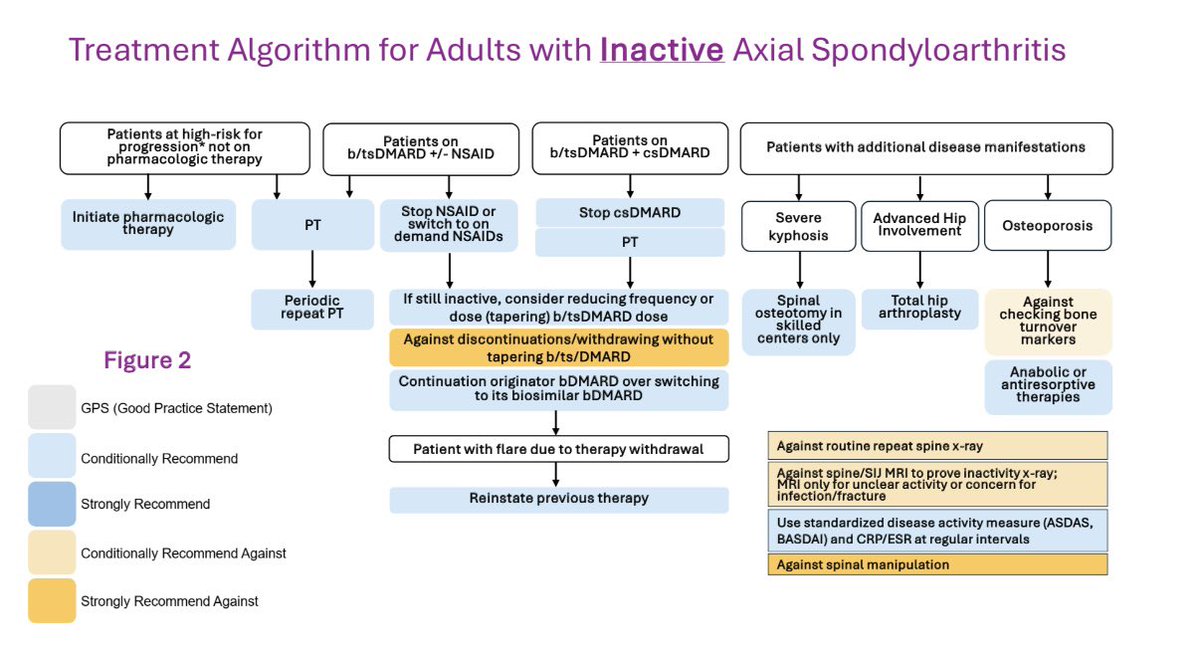
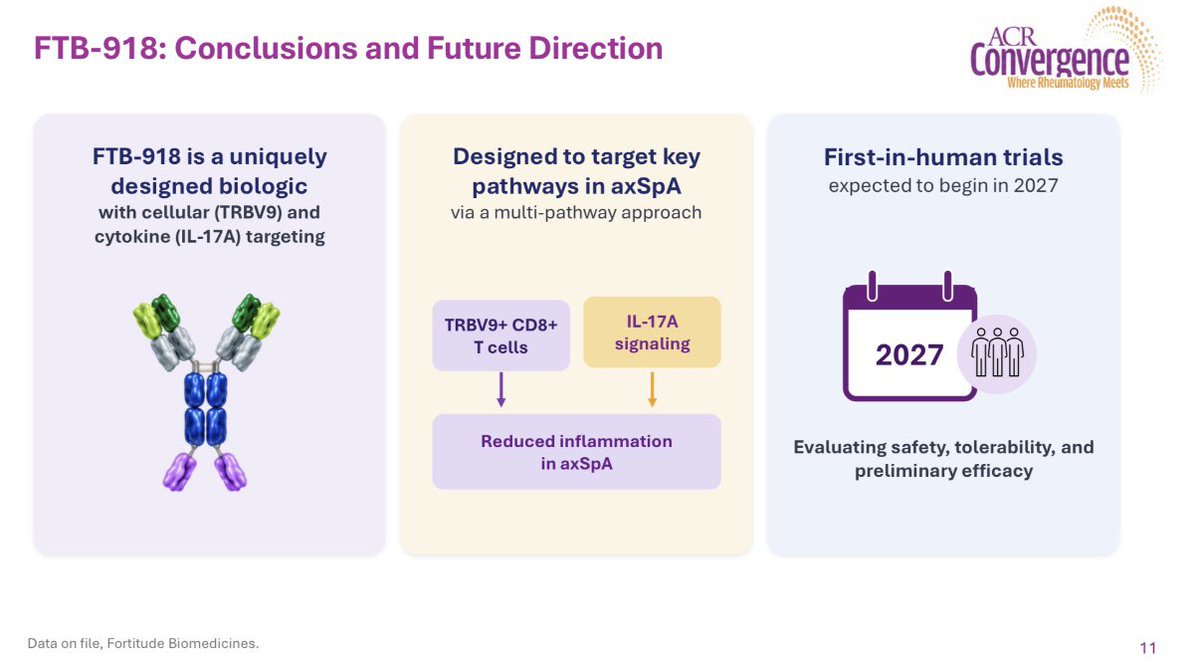
HLA-B27 is the strongest genetic risk factor for AxSpA positive in 90% of rAxSpA and 30-40% of PsA patients. B27 is an MHC class1 molecule which presents peptide to CD8 T cells. Current therapies treat inflammation but do not eliminate the cellular drivers of disease and only 40-60% of AxSpA


When a patient with axial spondyloarthritis patient sits in your clinic, their joint inflammation is only half the story. To truly achieve disease control, one should ask: “Am I consistently and aggressively screening them all for cardiovascular risk?"



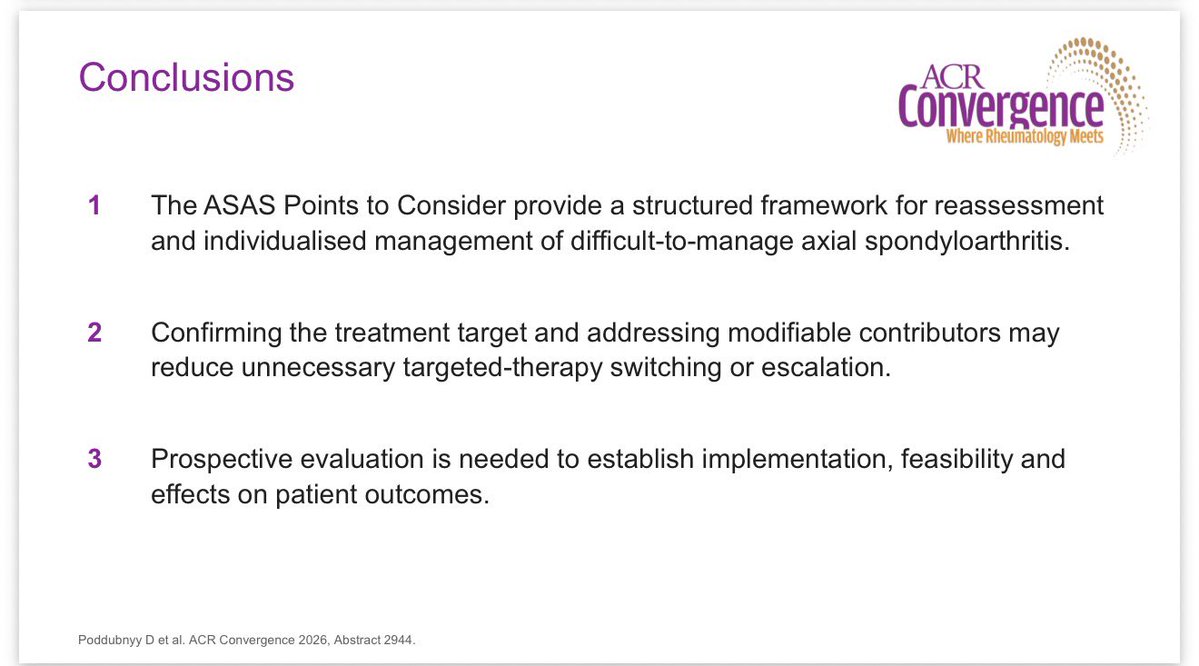


A 34 year old female has axSpA. Her CRP is 3, her MRI is quiet, and her BASDAI is 7. She has tried two biologics and is asking about a third. Before we write that prescription, #ACR26 challenges us to ask a different question: is it still inflammation?



When a patient fails a drug, we tend to consider what will be the next drug. Most of our clinics have patients on their second or third advanced therapy. Drug failure has become more common, not less. A question that we too rarely write in the notes is why did the last drug fail?





By downloading this material, I acknowledge that it may be used only for personal use and personal education and that I will accredit RheumNow.com as the source and owner of this material. Commercial use or mass reproduction of this material without permission from RheumNow (info@rheumnow.com) is prohibited.