
Article
Claims data analysis of 4245 psoriatic arthritis patients on TNF inhibitors showed both higher than expected durations of noncompliance and higher than label dosing - all at an increased cost.

Search for Terms or Answers
Claims data analysis of 4245 psoriatic arthritis patients on TNF inhibitors showed both higher than expected durations of noncompliance and higher than label dosing - all at an increased cost.

The American College of Physicians (ACP) has updated its 2008 clincial practice guideline on the treatment of low bone density and osteoporosis to prevent fractures in men and women. The new guideline is in favor of generic bisphosphonate use and recommends against using menopausal estrogen therapy and against DEXA monitoring during the first 5 years.

Qin and colleagues have published in Arthritis & Rheumatology that 40% of people will be affected by symptomatic osteoarthritis in at least one hand. (Citation source: http://buff.ly/2qTUscZ)

Dr. Nancy Lane answers questions about the intake of Calcium, Vitamin D and the cardiovascular risk of supplemental calcium.

Dr Jack Cush reviews highlights from the news last week on RheumNow.com:

Tofacitinib is currently approved for use in rheumatoid arthritis, but is being studied in numerous other inflammatory conditons including spondylitis, psoriasis, and psoriatic arthritis, and has also been studied in patients with ulcerative colitis (UC).

The NEJM has published the results of a randomized, placebo-controlled trial showing adalimumab and methotrexate is effective in reducing ocular flares in juvenile idiopathic arthritis with uveitis.

Dr. Jack Cush reviews the news from the last week on RheumNow.com - from the ACR SOTA 2017 meeting in Chicago:
Despite the folklore, not all women with arthritis who become pregnant will improve or go into remission. Recent studies have suggested that up to one-third of RA patients will flare during pregnancy.

The morbidity associated with osteoporosis-related fragility fractures imposes tremendous socioeconomic and medical impact on patients and society.
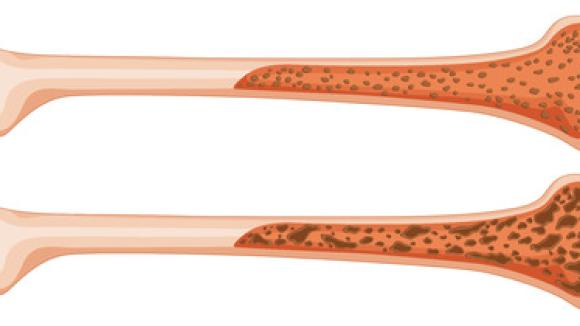
Extending bisphosphonate treatment beyond 3–5 years does not confer additional benefit in low-risk populations. Treatment re-initiation (usually 1–3 years after bisphosphonate withdrawal) depends on risk factors, new fractures and bone mineral density. The evidence regarding denosumab discontinuation is limited but caution is advised, as there may be a “rebound effect” with regard to fractures.

On the 21st of April, the FDA approved another infliximab biosimilar, called Renflexis (Infliximab-abda) following on the biologics license application of the South Korean manufacturer Samsung Bioepis Co. LTD. In early developmental trials this agent was also called SB2.

Dr. Jack Cush reviews highlights from the past week on RheumNow.com:

Something is curiously wrong when a drug induces the disease it is intended to treat. Yet this phenomenon has been described with all five FDA-approved TNF inhibitors.

Lancet has reported the results of risankizumab, an interleukin-23 (IL-23) inhibitor, in Crohn's disease. Risankizumab is a humanised monoclonal antibody targeting the p19 subunit of interleukin-23, and is being developed for Crohn's disease.
The NY Times points out "there is is an out-of-control epidemic in the United States that costs more and affects more people than any disease Americans currently worry about. It’s called nonadherence to prescribed medications, and it is — potentially, at least — 100 percent preventable by the very individuals it afflicts.

Dr. Jack Cush reviews the past week's news, articles and advances from RheumNow.com.
Steroids are known for their acute therpeutic wonders and chronic hazards. Hence most practitioners are comfortable using short term, limited dose corticosteroids for a variety of ailments.

When do the risks outweigh the benefits of NSAIDs use, especially in those with prior cardiovascular and gastrointestinal events? The CONCERN study has tested the effects of proton-pump inhibitor (PPI) in preventing GI bleeds when using NSAIDs and ASA.

Hydroxychloroquine has become a mainstay in the treatement of patients with systemic lupus erythematosus (SLE) with proven efficacy in managing many domains of lupus, including skin, joint, and other autoimmune features.

By downloading this material, I acknowledge that it may be used only for personal use and personal education and that I will accredit RheumNow.com as the source and owner of this material. Commercial use or mass reproduction of this material without permission from RheumNow (info@rheumnow.com) is prohibited.

