
Article
A recent study in JAMA Network Open shows that artificial intelligence models can use electronic health record data to prognosticate future patient outcomes in rheumatoid arthritis (RA).

Search for Terms or Answers
A recent study in JAMA Network Open shows that artificial intelligence models can use electronic health record data to prognosticate future patient outcomes in rheumatoid arthritis (RA).

Courtesy of the Canadian Rheumatology Association (CRA) website, here are consensus guidelines on medical cannabis use.
Rheumatology patients experience prevalent pain that is only modestly controlled with current treatment strategies.

Dr. Jack Cush reviews this week's news and highlights from RheumNow.com.

First-line treatment of systemic juvenile idiopathic arthritis (JIA) with anakinra (Kineret) was highly effective as monotherapy, minimizing the need for glucocorticoids, a single-center prospective study found.
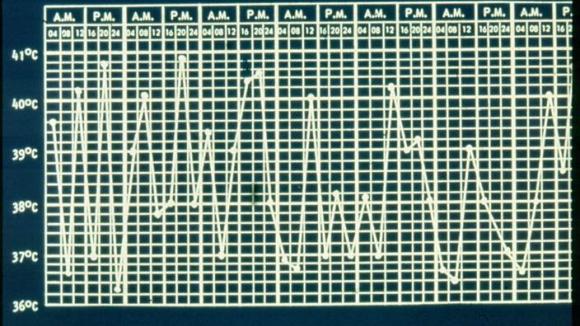
A UK study of early onset arthritis or new rheumatoid arthritis patients shows multiple sources of delayed referral to the first rheumatology consultation.

A systematic review has shown that TNF inhibitors (TNFi) are equaled in efficacy by other biologic agents (ustekinumab, secukinumab, and ixekizumab) in psoriatic arthritis (PsA) patients with in dactylitis and enthesitis.
Individuals who quit smoking and maintained their nonsmoking status over a long duration of time had a decreased risk of developing seropositive rheumatoid arthritis (RA), an analysis of two large prospective cohorts found.

A multidisciplinary Canadian task force has developed guidelines for vaccination in patients receiving immunosuppressive therapies, based on the evidence that immunosuppressive use in immune-mediated disease may be associated with an elevated risk of infections.

A study from Turkey shows that among 2117 patients treated with a TNF inhibitor (TNFi) the risk of developing TB was 6 fold higher in those treated with a TNFi compared to non-users.

Dr. Jack Cush reviews the news and journal reports from the past week on RheumNow.com:
Pfizer has issued a press release regarding the safety of tofacitinib, citing higher rates of pulmonary embolism and death associated with the use of higher dose tofacitinib 10mg bid in rheumatoid arthritis (RA) patients treated in a long-term safety trial.

Dr. Marwan Bukhari (editor of Rheumatology) has written an editorial wherein he suggests that true remission is hard to achieve. He notes that "remission as a target is a noble objective that we should all aspire to but we should not chastise our practice if we do not achieve it, as more and more evidence suggests that we should consider it the ideal but not the norm."

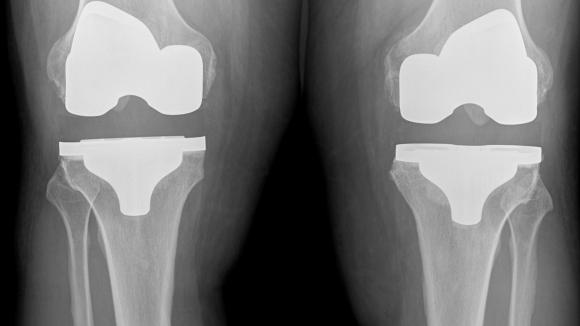
His would-be surgeon tried mightily to talk him out of a bilateral knee replacement. At 340 pounds, the patient's BMI -- above 43 -- was a significant contraindication.
A study from the University of Washington in Seattle find that men with osteoporosis were less likely to be assessed by dual-energy X-ray absorptiometry (DXA); vitamin D measurements and were less like to receive calcium/vitamin D and bisphosphonate prescriptions.

Dr. Jack Cush discusses the news from the past week on RheumNow.com - including the SEAM trial, MRI guided T2T, biologics and infection, contraceptive use, ANA negative lupus, etc.
A treat-to-target (T2T) strategy to manage rheumatoid arthritis hinges on clinical metrics to optimize therapy. But investigators from Denmark have shown that using magnetic resonance imaging–guided T2T failed to improve disease activity remission rates or reduce radiographic progression.
Analyses from the Swedish EIRA incident rheumatoid arthritis cohort study shows that smoking and HLA-DRB1 exert differential effects on serologically defined RA subsets - but that the strongest influence was seen in double positive (CCP+, RF+) individuals.

Specialty tier drugs, including biologics, accounts for nearly half of all medication spending by Medicare Part D patients. High out-of-pocket costs for these patients is a major concern.

A study in Arthritis & Rheumatology shows that there is substantial statewide variation in rates of treatment with long‐term opioid therapy in osteoarthritis - not fully explained by differences in access to healthcare providers, varying case‐mix, or state‐level policies.
Two recent reports offer good news to rheumatoid arthritis (RA) women who are planning to become pregnant.

By downloading this material, I acknowledge that it may be used only for personal use and personal education and that I will accredit RheumNow.com as the source and owner of this material. Commercial use or mass reproduction of this material without permission from RheumNow (info@rheumnow.com) is prohibited.