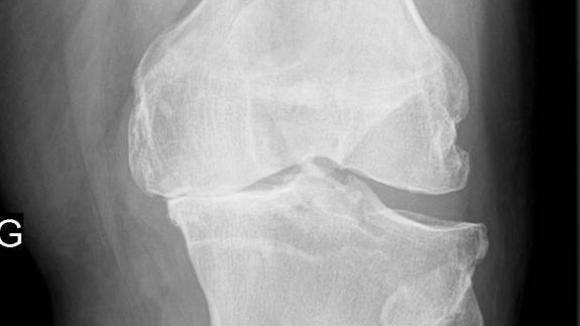
The Maastricht study explored the potential association between dairy consumption and knee osteoarthritis (OA), and found that higher intake of full-fat dairy and Dutch cheese - but not milk - was significantly associated with the lower risk of knee OA.
All News
Implementing a treat-to-target approach for the care of rheumatoid arthritis (RA) did not result in an increase in adverse events or resource use, a post-hoc analysis of a randomized trial showed.
In response to the growing opioid crisis, the US Food and Drug Administration has approved the final Opioid Analgesic Risk Evaluation and Mitigation Strategy (REMS), designed to reduce the risk of abuse, misuse, addiction, overdose, and deaths due to prescription opioid analgesics.
The Annals of Surgery reports on an anlaysis of FDA-mandated postmarket studies, including nearly 100,000 breast implant pprocedures, that showed silicone implants to be associated with higher rates of Sjögren's syndrome, scleroderma, rheumatoid arthritis, stillbirth, and melanoma.
High adherence to a Mediterranean diet appears to be associated with a lower risk of rheumatoid arthritis (RA), especially in men and those who are seropositive, according to a study published in Arthritis Research & Therapy.
JAMA has published an analysis showing that under Medicare Part D, RA biosimilar infliximab-dyyb was only moderately less expensive (18% less) than the biologic infliximab and, owing to differences in gap discounts, the out of pocket costs for the biosimilar was nearly $1700 more than infliximab
Many patients with rheumatoid arthritis (RA) who achieved sustained disease control with baricitinib (Olumiant) treatment were able to reduce their daily dose from 4 mg to 2 mg and maintain their response, a double-blind substudy of a long-term extension trial found.
The American College of Rheumatology (ACR) today released the Rheumatic Disease Report Card: Raising the Grade on Rheumatology Care in America, a first-of-its-kind report that evaluates just how difficult it can be to live well with a rheumatic disease in the United States.
An odd side effect of several new agents is the risk of hyperlipidemia. While this has been seen with tocilizumab (TCZ), there does not appear to be a resultant risk of cardiovascular (CV) events. A study of claims data compared CV risk in rheumatoid arthritis (RA) patients receiving TOC (an IL6 receptor antagonists) and other biologics and found no differences with regard to CV outcomes.
The British Society of Rheumatology has produced a set of NICE accredited guidelines for the use of biologic therapies in patients with inflammatory arthritis.
In July 2018, RheumNow launched a “Live Vote” survey of US and non-US rheumatologists that asked how they diagnose and treat systemic juvenile idiopathic arthritis (sJIA), also known as “Still’s disease”. It appears that many prefer to start therapy with an IL-1 inhibitor, after a course of steroids and MTX/DMARD. Yet, these findings suggest there are significant unmet needs in the diagnosis and management of sJIA patients.
Pregnancy and drug safety is a complex issue, often with limited informatoin about maternal drug exposure on the offspring. Greater uncertainty exists when considering whether paternal exposure may also influence fetal outcomes.
The current issue of the CDC's MMWR reviews the new seasonal recommendations for vaccination against influenza. This is an update to the previous recommendations of the Advisory Committee on Immunization Practices (ACIP).
A systematic review by the Medical Board of the National Psoriasis Foundation examined the role of diet in managing adult patients with psoriasis and/or psoriatic arthritis and suggest that dietary interventions to reduce disease severity.
Yesterday, the American College of Rheumatology (ACR) met with U.S.
Exposure to second-hand smoke during childhood was associated with an increased risk for developing rheumatoid arthritis (RA) later in life, researchers said.
Comorbidity is pervasive and complicates medical care in general. It can be a by-product of aging. It may result from drug therapy or an inciting disease process and may be part of the constellation that defines the primary disorder. A growing body of evidence that suggests that comorbidity has a significant dampening effect on drug responsiveness and, adds to poorer outcomes in patients with inflammatory arthritis.
There is a large body of data that shows tumor necrosis factor inhibitors (TNFi) use in rheumatoid arthritis (RA) confers the same risk as that seen in RA - meaning there is no increase over and above that incurred by inflammation and RA itself. There are fewer studies about whether it is s
The type of biologic disease-modifying anti-rheumatic drug (DMARD) being used and remission duration were important factors predicting whether remission was maintained among patients with rheumatoid arthritis after cessation of the biologic, a Japanese study found.
An Australian prospective study of patients with rheumatoid arthritis (RA), psoriatic arthritis (PsA) and ankylosing spondylitis (AS) has shown that sustained use of tumour necrosis factor (TNFi) inhibitors or biologics can reduce the risks of cardiovascular events (CVEs).