
Article
Treat-to-target education through group-based quality improvement sessions can result in wider use of treat-to-target in practice, according to researchers.

Search for Terms or Answers
Treat-to-target education through group-based quality improvement sessions can result in wider use of treat-to-target in practice, according to researchers.

Lancet reports the results of the NOR-SWITCH study - a trial performed in Norway as biosimilars were being introduced.

A retrospective study shows that rituximab treatment of RA-related interstitial lung disease may improve or forestall ILD progression.

Dr. Jack Cush highlights the big stories, news and articles from this week at RheumNow.com.

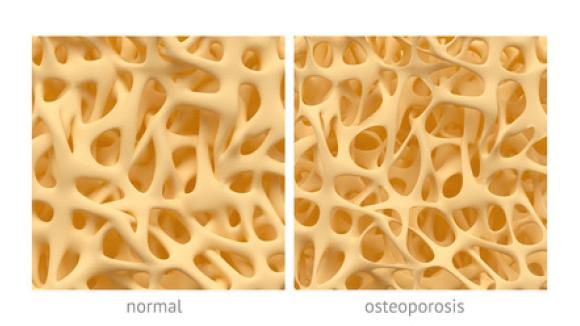
The American College of Physicians (ACP) has updated its 2008 clincial practice guideline on the treatment of low bone density and osteoporosis to prevent fractures in men and women. The new guideline is in favor of generic bisphosphonate use and recommends against using menopausal estrogen therapy and against DEXA monitoring during the first 5 years.
Dr. Nancy Lane answers questions about the intake of Calcium, Vitamin D and the cardiovascular risk of supplemental calcium.

A population based study from Taiwan examined the frequencies of comorbidities in a rheumatoid arthritis (RA) population.
Enthesitis-related arthritis (ERA) is an emerging subset of juvenile idiopathic arthritis (JIA) recognized for its distinctive clinical characteristics.
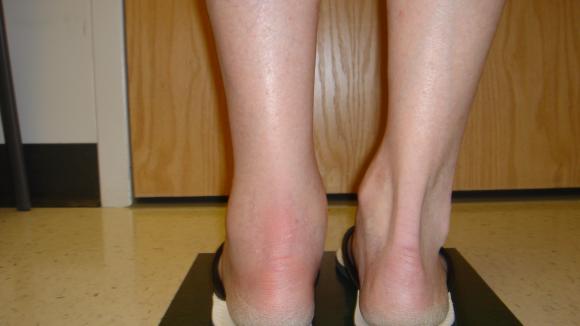
The NEJM has published the results of a randomized, placebo-controlled trial showing adalimumab and methotrexate is effective in reducing ocular flares in juvenile idiopathic arthritis with uveitis.
The FDA has approved injectable Tymlos (abaloparatide) for use in postmenopausal osteoporosis patients at high risk for fracture, as the drug has been shown to reduce the risk of vertebral and nonvertebral fractures in such patients.

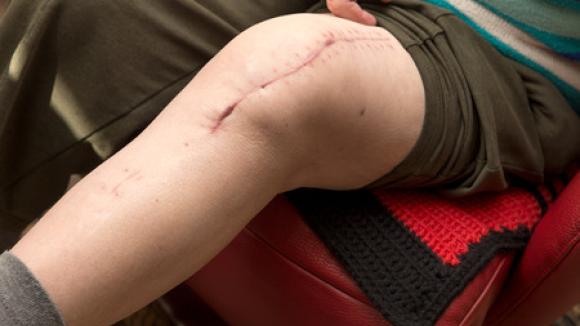
A New York Times article sheds light on recent evidence suggesting that those undergoing hip or knee replacement will do just as well with home therapy compared to inpatient rehabilitation following surgery.
Despite the folklore, not all women with arthritis who become pregnant will improve or go into remission. Recent studies have suggested that up to one-third of RA patients will flare during pregnancy.

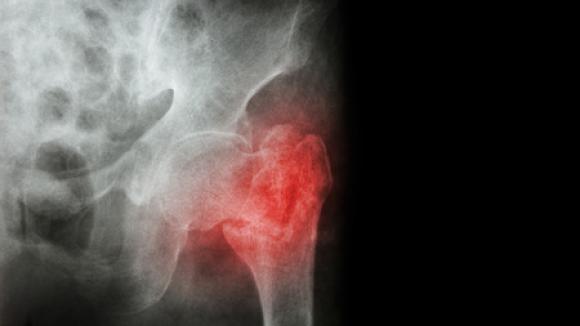
Extending bisphosphonate treatment beyond 3–5 years does not confer additional benefit in low-risk populations. Treatment re-initiation (usually 1–3 years after bisphosphonate withdrawal) depends on risk factors, new fractures and bone mineral density. The evidence regarding denosumab discontinuation is limited but caution is advised, as there may be a “rebound effect” with regard to fractures.
On the 21st of April, the FDA approved another infliximab biosimilar, called Renflexis (Infliximab-abda) following on the biologics license application of the South Korean manufacturer Samsung Bioepis Co. LTD. In early developmental trials this agent was also called SB2.

Dr. Jack Cush reviews highlights from the past week on RheumNow.com:

Something is curiously wrong when a drug induces the disease it is intended to treat. Yet this phenomenon has been described with all five FDA-approved TNF inhibitors.

Eli Lilly and Company and Incyte Corporation announced today that the U.S. Food and Drug Administration (FDA) has delayed its' decision on baricitinib by issuing a complete response letter for baricitinib's New Drug Application.

Dr. Jack Cush reviews the past week's news, articles and advances from RheumNow.com.
When do the risks outweigh the benefits of NSAIDs use, especially in those with prior cardiovascular and gastrointestinal events? The CONCERN study has tested the effects of proton-pump inhibitor (PPI) in preventing GI bleeds when using NSAIDs and ASA.

The Archives of Osteoporosis have published the results of a cohort study supporting the use of osteoporosis (OP) screening in those sustaining a non-vertebral fracture in patients over age 50 years, independent of sex of level of trauma sustained.
By downloading this material, I acknowledge that it may be used only for personal use and personal education and that I will accredit RheumNow.com as the source and owner of this material. Commercial use or mass reproduction of this material without permission from RheumNow (info@rheumnow.com) is prohibited.