Despite recent advances in treatment of rheumatoid arthritis (RA), MANY patients on existent biological therapy fail to achieve remission. Therapies with novel mechanisms of actions, great efficacy and well balanced safety profile remain an unmet need.

All News
Dr. Jack Cush reviews highlights from the past week on RheumNow.com:
Joint arthroplasty has grown into a billion dollar industry worldwide. However, optimal timing and the success of total joint replacements in younger patient groups has not been well studied.
Sirukumab is a human monoclonal antibody that selectively binds to the interleukin-6 (IL-6) and is being developed for use in rheumatoid arthritis (RA) and other inflammatory diseases.
Patients often characterize certain foods as “inflammatory” or “anti-inflammatory” as they combat their arthritis.
Biosimilar reports is an ongoing series dedicated to advances, discussions and developments in biosimilar agents intended for use by rheumatologists. Many of these items were compiled from news sources, journal articles and regulatory documents and are cited and linked within each section.
Dr. Jack Cush reviews this week's news and information from the 2017 RWCS meeting in Maui.
Baricitinib is a novel inhibitor of Janus kinases JAK1 and JAK2 that has been extensively studied in rheumatoid arthritis (RA). Baricitinib (AKA Oluminant) was recently approved by the EMA for use in Europe at a once daily dose of 4 mg per day.
The European Commission has approved Eli Lilly's rheumatoid arthritis drug Olumiant (baricitinib) for use in Europe for RA patients with moderate-to-severe active disease in adults who have not responded one or more disease-modifying antirheumatic drugs.
Articular manifestations of Crohn's disease affects a significant number of patients with either oligoarticular or RA-like polyarthritis or spondyloarthritis.
New research confirms that patients with psoriatic arthritis (PsA) face significant healthcare and socioeconomic hurdles.
Since its US approval in 2012, tofacitinib has become a widely used treatment for rheumatoid arthritis (RA).
Whether you're impressed with its efficacy, or distressed with its side effects, its track record is voluminous and has been recently reviewed.
Dr. Jack Cush discusses the news and reports from this week on RheumNow:
Poorer and less-educated older Americans are more likely to suffer from chronic pain than those with greater wealth and more education, but the disparity between the two groups is much greater than previously thought, according to new research.
Oligoarticular-onset juvenile idiopathic arthritis accounts for nearly half of all JIA patients. While many of these children will require DMARD therapy, many others are treated with antiinflammatory meds or intra-articular corticosteroids. But the evidence for this latter approach is scant.
US and UK researchers have identified a unique subset of helper T-cells called ‘peripheral helper’ T-cells in the synoviums that may be linked to the pathogenesis of rheumatoid arthritis.
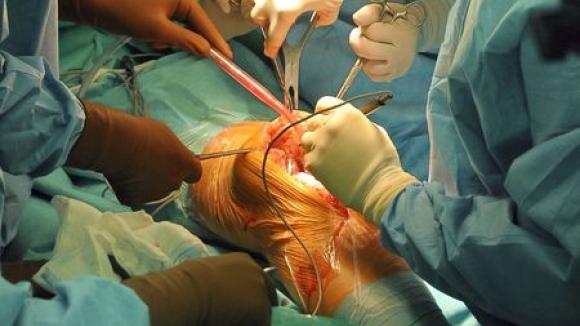
Up to 30% of patients with rheumatoid arthritis (RA) will eventually undergo joint reconstructive surgery, yet we have limited data to guide the perioperative management of DMARDs and biologics.
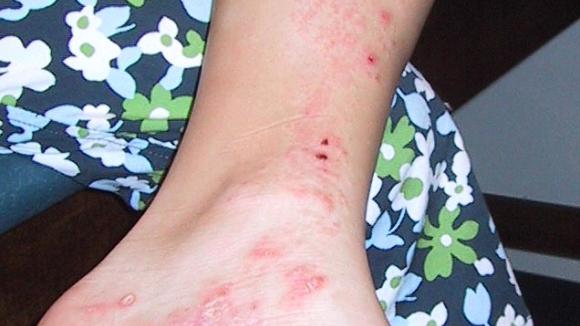
Doubt remains regarding the appropriateness, efficacy and safety of methotrexate in the treatment of moderate to severe cutaneous psoriasis. Moreover, high dose, subcutaneous MTX has not been studied in a well-designed trial.
Dr. Jack Cush reviews this week's highlights from RheumNow.
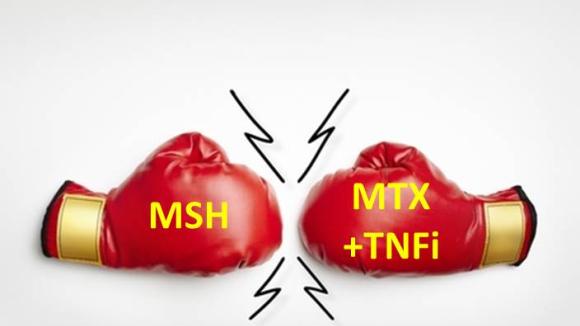
There are several trials that test the efficacy and safety of combination tumor necrosis factor inhibitor (TNFi) plus methotrexate against triple therapy (methotrexate plus hydroxychloroquine plus sulfasalazine) in patients with rheumatoid arthritis.