Dr. Jack Cush reviews the news and journal reports from this past week on Rheumnow.com - including obesity, disappointing durability with GLP-1 drugs, AI diagnoses and worries about CV risk in ANCA-associated vasculitis. And take this week's RheumIQ quiz!

All News
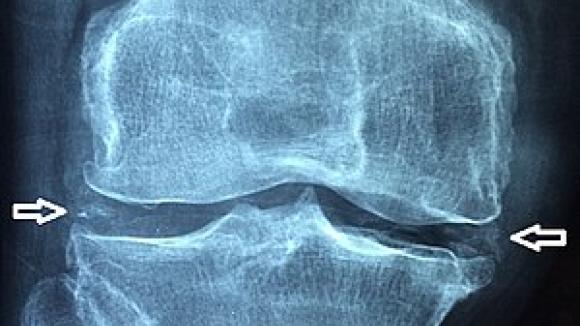
We all know that osteoarthritis is the most common form of arthritis in the world, and that obesity is its most modifiable risk factor. What I really want to focus on is the role that GLP-! receptor agonists might be playing in our management of osteoarthritis. So why does this matter?
Shoulder pain affects 16% of adults annually and is the third most common musculoskeletal presentation in primary care. This new review reframes the diagnostic and therapeutic approach, moving away from pathoanatomic labels (rotator cuff tendinopathy, impingement, bursitis) toward the umbrella term subacromial pain, since structural findings on imaging correlate poorly with symptoms and are common in asymptomatic people.
A current report from the national NHIS survey shows that over half of US adults diagnosed with arthritis reported moderate to severe joint pain.
The British Society for Rheumatology has issued its first guideline dedicated solely to pain in inflammatory arthritis (IA)—covering RA, PsA, axial SpA and JIA.
Dr. Jack Cush reviews the news and recent journal reports on RheumNow.com.
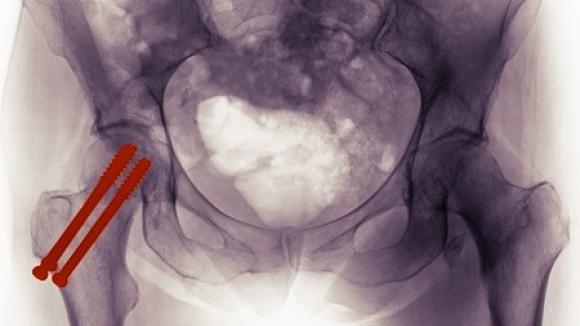
The July 16th edition of JAMA reviews the highly prevalent problem of hip fractures - a major global health burden: 14.2 million occur worldwide annually (280,000 in the US), with global incidence higher in women (833.9/100,000) than men (510.0/100,000). Lifetime risk at age 50 is 22.9% for women, 10.7% for men. Mortality is substantial.
Swimming Reduces Disability from Low Back Pain
Swimming is commonly recommended for patients with chronic low back pain. Yet, there is little trial data investigating swimming. An Australian study has shown for the first time that a program of swimming can be clinically effective in reducing disability from chronic low back pain.
A recent perspective by Tedeschi tackles many unresolved issues around CPPD diagnosis, classification, and management, including the lack of clinical trials or FDA approved treatments.