


Joint Pain Prevalence is not Declining Save


Know-it-now
- Moderate-to-severe joint pain prevalence was unchanged from 2019 (56.8%) to 2023 (58.2%); despite a previously stated 2030 goal of 52.4%.
- Mental health underlies joint pain. Depressive (76.1%) and anxiety (73.9%) symptoms nearly doubled pain prevalence relative to asymptomatic patients.
- Disability and inability to work correlate most strongly with pain burden.
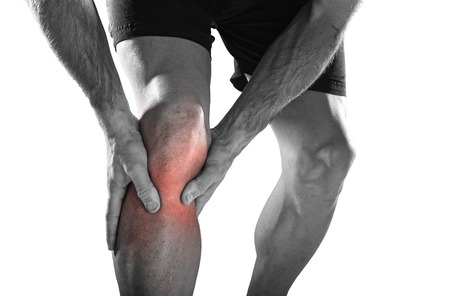
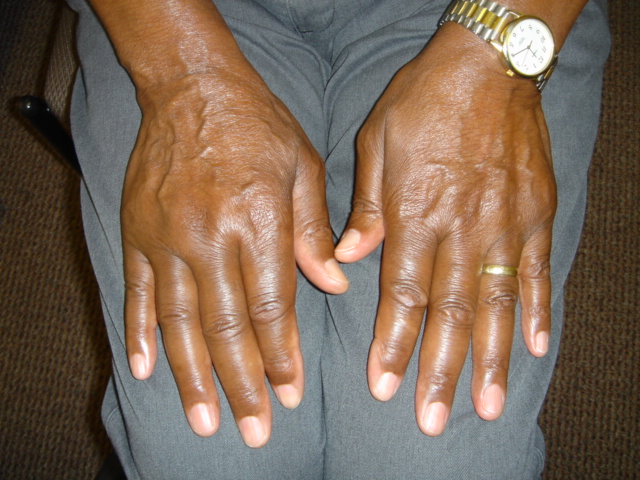
A current report from the national NHIS survey shows that over half of US adults diagnosed with arthritis reported moderate to severe joint pain.
Using National Health Interview Survey (NHIS) data from 2019 (n=7,996) and 2023 (n=7,469) assessed the prevalence of moderate to severe joint pain (score 4–10 ) among US adults with self-reported, doctor-diagnosed arthritis, rheumatoid arthritis, gout, lupus, or fibromyalgia. Healthy People 2030 (HP 2030) has the objective of reducing this prevalence to 52.4%.
In 2023, an estimated 58.5% of US adults with diagnosed arthritis (30.8 million) reported moderate to severe joint pain (moderate: 32.4%/17.1M; severe: 26.1%/13.8M). Age-standardized prevalence was 58.2%, essentially unchanged from 56.8% in 2019 (p=0.46). The reason for no progress toward the HP 2030 target is unclear.
Prevalence of moderate to severe pain was higher among women (62% vs. 54% men), adults unable to work/disabled (73%) or retired (69%) versus employed (53%), those with a disability (77% vs. 54%), veterans (69% vs. 57% non-veterans), and residents of the South (61%) versus Midwest (53%.
Previous NHIS and BRFSS reports showing racial/ethnic variation in joint pain, but no significant differences were seen in 2023 (by age group, race/ethnicity, or health insurance status).
Joint pain prevalence also rose with declining self-rated health (46% excellent/very good → 73% fair/poor) and was markedly higher among those with comorbid COPD (72%), cancer (72%), depressive symptoms (76%), and anxiety symptoms (74%) versus their unaffected counterparts. BMI category showed no significant association with joint pain.
These findings show the joint pain burden is linked to mental health and functional/disability status — supporting the need for screening and whole-person management approachs. Despite ACR guideline recommendations for physical/occupational therapy, exercise, and weight management, and CDC opioid-prescribing guidance favoring non-pharmacologic modalities, referral rates and patient engagement in activity-based interventions remain low.
Related Content

ADD THE FIRST COMMENT
Disclosures
Disclosures
The author has no conflicts of interest to disclose related to this subject
The author used AI to research and organize this content, and maintains responsibility for its accuracy




If you are a health practitioner, you may Login/Register to comment.
Due to the nature of these comment forums, only health practitioners are allowed to comment at this time.