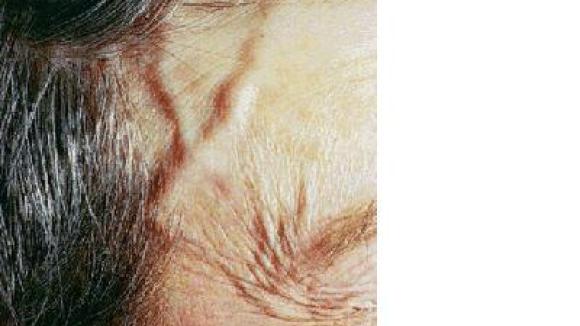
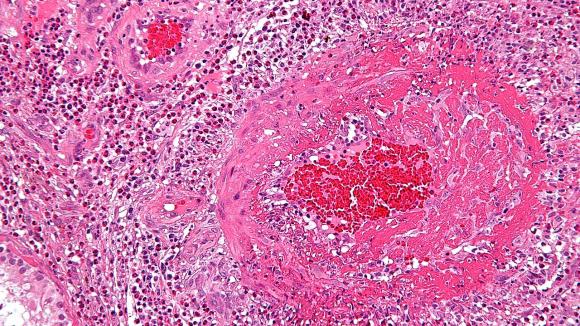
Eosinophilic granulomatosis with polyangiitis (EGPA) is a rare form of anti-neutrophil cytoplasmic antibody (ANCA)-associated vasculitis, affecting between 10 and 14 cases per million globally. This adult disorder has a mean age at diagnosis of nearly 50 years and affects both sexes equally, presenting with pulmonary symptoms (asthma), eosinophilia and granulomatous or vasculitic involvement of several organs. A multidisciplinary, multinational European group has developed evidence-based, guidelines for the diagnosis and management of EGPA, intended to include recent advances.
All News
A current review of the epidemiology of IgG4-related disease (IgG4-RD) in the USA shows a low prevalence with possibly increasing numbers, owing to increasing awareness of this unique immune-mediated condition.
On the first day of ACR State of the Art conference in Orlando, Florida, Dr. Michelle Petri reviewed the treatment and management of neuropsychiatric lupus. Dr. Petri, a lupus expert from Johns Hopkins Rheumatology, reviewed the latest clinical and animal model studies that offer hope in treatment and gave wide-ranging pearls on a variety of issues that can be faced in this disorder.
Aging Mechanisms Tied to Giant Cell Arteritis
Senescence pathways are involved in giant cell arteritis (GCA), an analysis of patient tissue samples suggested, which may account for the efficacy of one agent now used for the disease and another in commercial development.
Dr. Jack Cush reviews the news and journal articles from the past week on RheumNow.com, including Rheumatology success in the NRMP MATCH, Cocaine vasculitis and worrisome safety risks with Biologics and tsDMARDs.
Are antiphospholipid antibodies (aPL) associated with atherosclerotic cardiovascular (ASCVD) event risk? A cohort study has shown that aPL Abs are found in a substantial proportion of adults with ASCVD events and finding both positive aCL IgA and aβ2GPI IgA Abs independently predicted futur
BRIDGE-PMR proof-of-concept trial assessed the efficacy of rituximab (RTX) in patients with polymyalgia rheumatica (PMR) and showed that a single 1000 mg dose of lead to a significant number of glucocorticoid-free remissions after 1 year.