
Article
Low back pain (LBP) is a highly prevalent public health problem. Not surprisingly, imaging of LBP is also an expensive and often overused diagnostic tool.

Search for Terms or Answers
Low back pain (LBP) is a highly prevalent public health problem. Not surprisingly, imaging of LBP is also an expensive and often overused diagnostic tool.
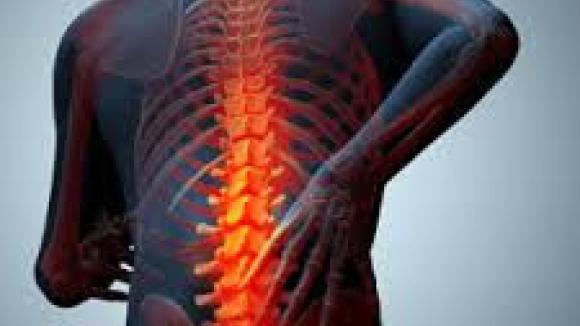
People who regularly smoke large amounts of cannabis have reduced bone density and are more prone to fractures, research has found. The study also found that heavy cannabis users have a lower body weight and a reduced body mass index (BMI), which could contribute to thinning of their bones.

The International Osteoporosis Foundation (IOF) reports that nearly 80% of those who have already suffered a broken bone due to osteoporosis remain unprotected against the risk of further disabling fractures.
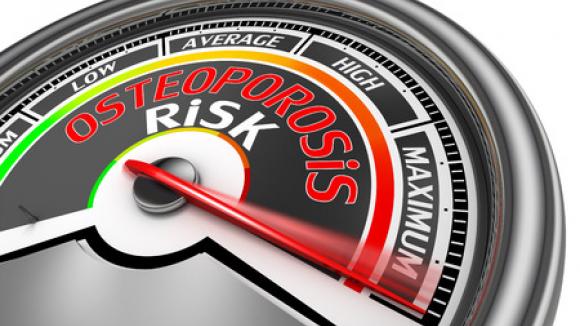
Dr. Jack Cush reviews highlights from the journals and news this week on RheumNow.com.
Romosozumab is being developed as a novel therapy for osteoporosis. It is a monoclonal antibody that binds sclerostin, and has been shown to increase bone formation while decreasing bone resorption.

The osteoporsis therapeutics arena is starting to fill with new drugs and novel mechanisms of action.
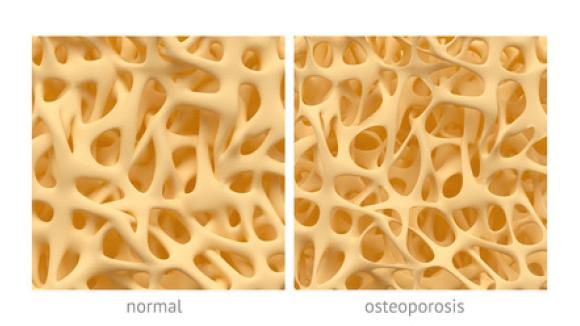
A review of this week's news including the cost of opioid abuse, a RTX biosimilar, a new drug for scleroderma, a new shingles vaccine and a CPAP disappointment.
In 2015, the Food and Drug Administration (FDA) updated the warnings of all marked bisphosphonates to include the risk of osteonecrosis of the jaw (ONJ) and atypical femoral fractures (AFF).
Dr. Jack Cush reviews news and journal reports from the past week on RheumNow.com.
Circadian rhythms may be disrupted or become exaggerated in a variety of inflammatory conditions. For instance, interleukin-6 (IL-6) and IL-1 have a known circadian cycle to their production, but the same can not be said for TNF.

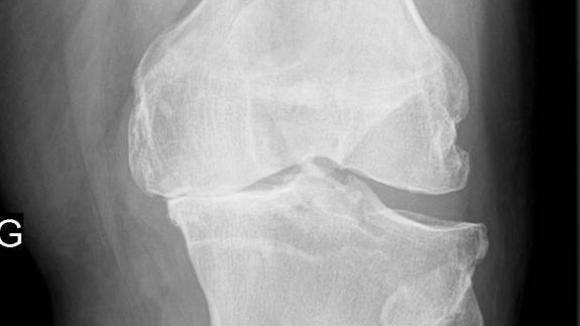
A study published in the British Medical Journal examines whether knee surgery or conservative medical management benefits those with degenerative meniscal tears. (Citation source http://buff.ly/2awVbKu)
From tofacitinib developmental trials in RA and psoriasis and adherence to T2T in early RA to a rheumatology pearl about dapsone and much more, here are the highlights of what you may have missed on RheumNow.com this week.
Vitamin D certainly plays a pivotal role in bone health and immune function.
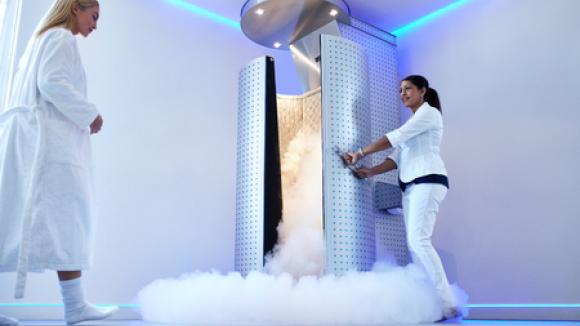
Cryotherapy is a non-FDA approved treatment that has been promoted to treat post-athletic injury, osteoarthritis,rheumatoid arthritis, fibromyalgia, alzheimers, migraines, asthma, multiple sclerosis, etc. Cryotherapy may be as simple as ice packs on a localized portion of the body, such as the lower back, or may involve whole body cryotherapy.
Sclerostin, an inhibitor of the Wnt/β-catenin pathway, negatively regulates osteoblast differentiation and has anti-anabolic effects on bone formation. Thus, inhibition of sclerostin is currently being studied as therapy for postmenopausal osteoporosis.
The impact of systemic glucocorticoid exposure on fracture risk among new-onset rheumatoid arthritis (RA) was studied using administrative claims data detailing the treatments and outcomes of 42,127 newly diagnosed RA patients (between 2005-2012).
Dr. Jack Cush reviews the news, reports and highlights from EULAR and the last 2 weeks from RheumNow.com.
Prescription of long-acting opioids for chronic noncancer pain was associated with an increased risk of all-cause mortality, including deaths from causes other than overdose, compared with anticonvulsants or cyclic antidepressants, according to a study appearing in the June 14 issue of JAMA.

The damaging potential of many inflammatory disorders is magnified by well-known associated comorbid conditions. This is particularly true in lupus, rheumatoid arthritis and psoriatic disease.
This week's highlights from RheumNow.com include:
By downloading this material, I acknowledge that it may be used only for personal use and personal education and that I will accredit RheumNow.com as the source and owner of this material. Commercial use or mass reproduction of this material without permission from RheumNow (info@rheumnow.com) is prohibited.