
Article
Recent Developments in Osteoarthritis, Osteoporosis and Gout

Search for Terms or Answers
Recent Developments in Osteoarthritis, Osteoporosis and Gout
Juvenile idiopathic arthritis (JIA) is commonly managed with methotrexate (MTX), with many pediatric rheumatologists preferring to use parenteral MTX for compliance and absorption reasons.

Lancet reports the results of a randomized controlled trial comparing prednisone alone to prednisone combined with either methotrexate (MTX) or cyclosporine (CyA) in new-onset juvenile dermatomyositis (JDM).
Researchers at CHOP have published their investigations into the heritability of pediatric autoimmune diseases that affects roughly one in 12 persons.

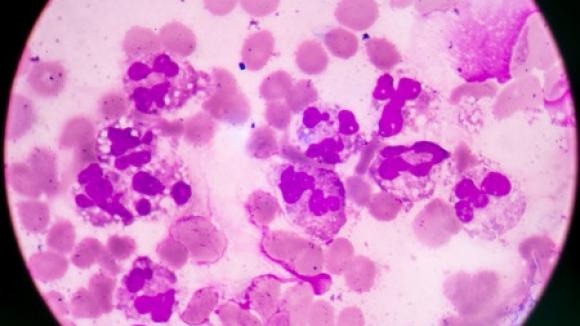
Neutrophils are pivotal players in the innate immune response, but are seldom linked to the pathogenesis of inflammatory arthritis, including juvenile idiopathic inflammatory arthritis (JIA).
UK researchers set out to study medically significant infections (MSI) in juvenile idiopathic arthritis patients enrolled in the British Society for Paediatric and Adolescent Rheumatology Etanercept Cohort Study (BSPAR-ETN).

These abstracts and presentations were presented last week on the 12th and 13th of June at the EULAR 2015 annual meeting in Rome.

While many adult rheumatologists are able to lessen or withdraw DMARD and biologic therapy in adults, little is known about the success of this practice in pediatric rheumatology clinics.
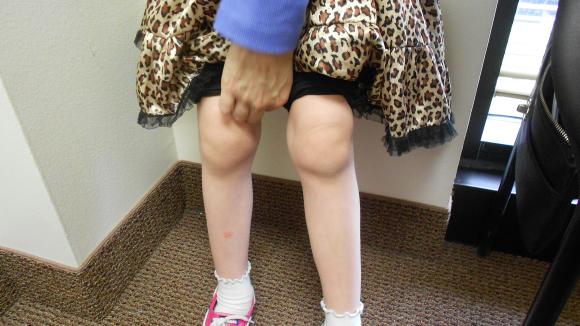
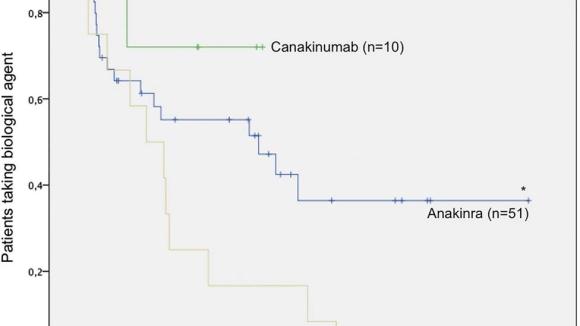
A retrospective review of 77 SoJIA patients revealed that 50-70% achieved inactive disease or remission when treated with IL-1 inhibitors (anakinra, canakinumab). Good responses were seen with tocilizumab or abatacept, but only 8% responded to etanercept.
By downloading this material, I acknowledge that it may be used only for personal use and personal education and that I will accredit RheumNow.com as the source and owner of this material. Commercial use or mass reproduction of this material without permission from RheumNow (info@rheumnow.com) is prohibited.

