Health equity in the telehealth age has assumed added importance since the COVID-19 pandemic began. The Federal Communications Commission estimates that about 21 million Americans don't have access to the Internet in their homes. Other sources estimate it is closer to 162 million.

All News
The CDC has addressed the effects and the issues of domestic and international travel on its website. Below is a sampling of key advice.
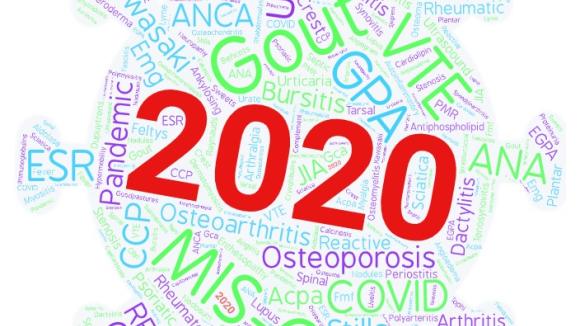
2020 was historic, memorable and game-changing. Under the cloud of COVID-19, there were many significant and memorable advances and setbacks for the rheumatology world. In our accounting of most read articles for 2020, (not surprisingly) 17/20 were COVID-related.
Dr. Jack Cush reviews the news, journal articles and favorite blogs from this past week on RheumNow.com.
The U.S. Centers for Disease Control and Prevention (CDC) has issued a timeline guidance document on when, how and who should get the commercially available COVID-19 vaccines.
Annals of Rheumatic Disease reports on an analysis of lupus (SLE) patients that shows COVID-19 infection rates were similar between those lupus patients who were taking hydroxychloroquine (HCQ) and those not taking HCQ.
What started out as online tweets and sharing newsfeed and case reports, has progressed to the formation of the COVID-19 Global Rheumatology Alliance, whose mission is to create an international rheumatology registry of patients affected by the disease in order to better understand the disease and guide clinicians in assessing and treating patients.
We are in the early stages of trying to limit the morbid and mortal consequences of the corona virus pandemic of 2020. Not surprisingly, the recommendations designed to limit exposure and damage continually highlight the fact that the elderly and immunosuppressed may be amongst the most severely affected should they become infected with this virus.
This has led to a great deal of uncertainty by patients and providers about how rheumatic diseases and their treatments need to be specifically addressed.
Hydroxychloroquine is one of many medications frequently used in rheumatology practice. Its remarkable versatility is attested by its routine use in lupus, in patients with an autoimmune coagulopathy, in patients with rheumatoid arthritis, as well as in those with a low-level inflammatory arthropathy.
ACIP Recommendations for Pfizer-BioNTech COVID-19 Vaccine Use (including Special Populations)
Following the FDA issuance of an Emergency Use Authorization for the Pfizer-BioNTech COVID-19 vaccine, the Advisory Committee on Immunization Practices (ACIP) issued interim recommendations for the prevention of COVID-19 in persons aged ≥16 years.
The exponential rise in deaths from the coronavirus (COVID-19) in the last several months is put into perspective by JAMA Viewpoint article noting that current US death rates of > 3000 per day from COVID-19 is greater than that seen in one day on September 11, 2001 (9/11 attacks, claimed 2988 lives) or by a fictional catastrophe of 15 Airbus 320 jetliners (150 passengers each) crashing daily.
Dr. Jack Cush reviews the news and journal reports from this past week on RheumNow.com.
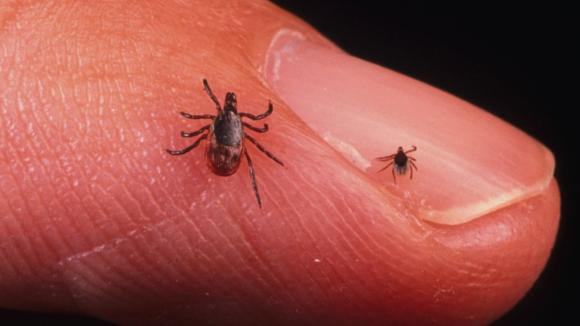
2020 evidence-based clinical practice guideline for the prevention, diagnosis, and treatment of Lyme disease was cooperatively developed the Infectious Diseases Society of America (IDSA), the American Academy of Neurology (AAN), and the American College of Rheumatology (ACR).
Rheumatic Disease and COVID-19: Who Is at Risk?
Patients with rheumatic and inflammatory diseases who develop COVID-19 share risk factors for severe disease with the larger population, including older age, male sex, obesity, and hypertension, but also are at increased risk if they are on corticosteroids, French investigators reported.
Dr. Jack Cush reviews a few more ACR 2020 abstracts and presents a new plan to learn or take in ACR20 content.
Here are my highlights from day four, Monday, of the ACR 2020 Convergence.
Vaccine Immunogenicity with Tofacitinib