
Article
Dr. Jack Cush reviews the news and journal articles from the past week on RheumNow.com.This week’s rants include the microbiome, PsA treatment choices and fishing for P-values in research.

Search for Terms or Answers
Dr. Jack Cush reviews the news and journal articles from the past week on RheumNow.com.This week’s rants include the microbiome, PsA treatment choices and fishing for P-values in research.

A new hand-held scanner developed by UCL researchers can generate highly detailed 3D photoacoustic images in just seconds, paving the way for their use in a clinical setting for the first time and offering the potential for earlier disease diagnosis.

Dr. Jack Cush reviews the news, journal articles and a new FDA approval for EGPA, this week on the Podcast.
Lancet Rheumatology has published the results of the TREAT EARLIER trial, showing the prevention of rheumatoid arthritis may be enhanced by risk stratification, particularly in anti-citrullinated protein antibody (ACPA)-negative people with clinically suspect arthralgia.
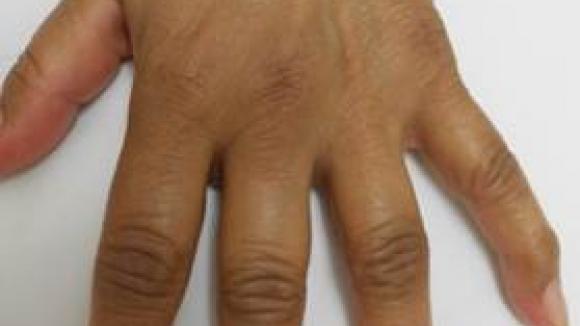
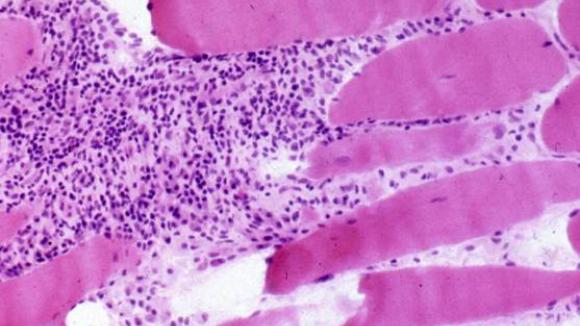
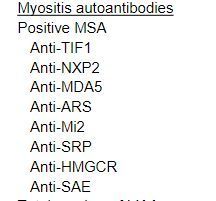
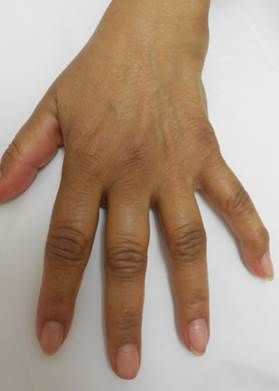
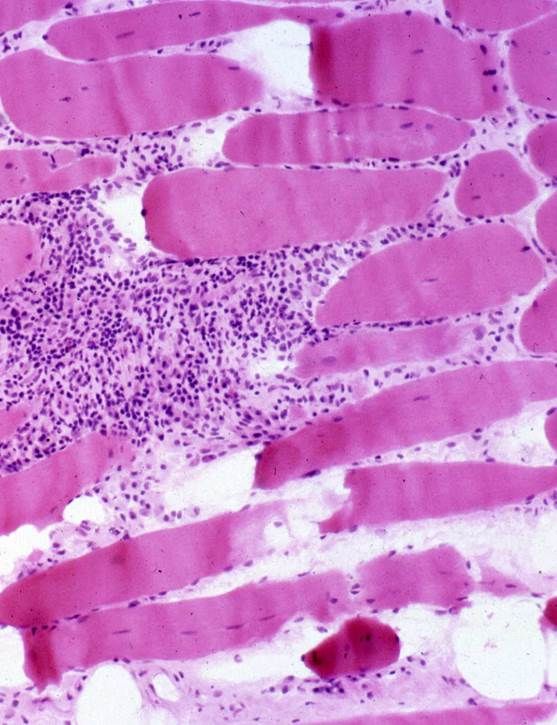
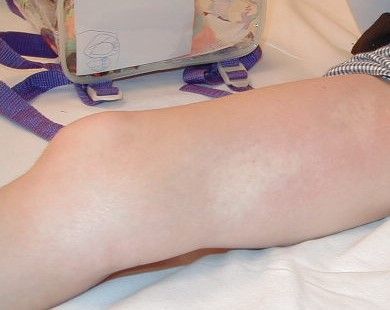
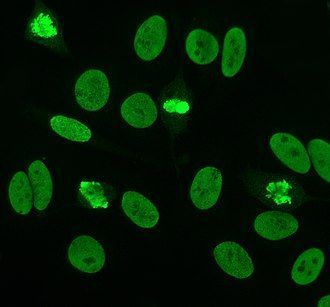
A Kyoto University study compared juvenile-idiopathic inflammatory myopathy (IIM) and adult-IIM patients, demonstrating different autoantibody profiles and a more favorable outcome for n juvenile-IIM patients.
Dr. Jack Cush reviews the news and journal articles from this past week on RheumNow.com.
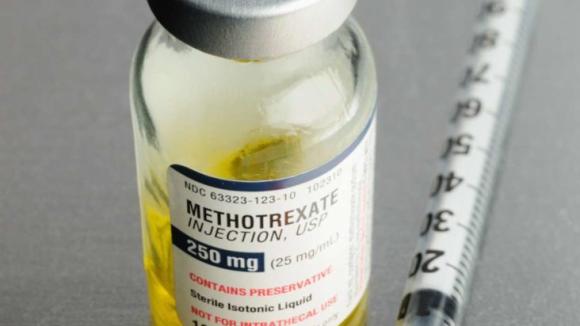
Methotrexate (MTX) is commonly used in the treatment of pediatric inflammatory skin conditions, often for off-label indications. Consensus based recommendations were published to address 5 major subjects.
Dr. Jack Cush reviews the news and journal reports from the past week on RheumNow.com. This week with a focus on fingers and better prescriptive follow through.
A new chapter may have begun in the exciting story of "immune reset" therapy for difficult-to-treat autoimmune diseases, with a patient with severe refractory lupus obtaining drug-free remission after treatment with an antibody product normally used in multiple myeloma.

Smolen and colleagues have published a subanalysis of the EXXELERATE study that showed while certolizumab pegol [CZP] concentrations and efficacy was unaffected by high titers of rheumatoid factor (RF), patients treated with adalimumab had a blunted response in the face of high RF titers.




By downloading this material, I acknowledge that it may be used only for personal use and personal education and that I will accredit RheumNow.com as the source and owner of this material. Commercial use or mass reproduction of this material without permission from RheumNow (info@rheumnow.com) is prohibited.


