SetPoint Medical announced that the FDA has approved the company’s SetPoint System, a first-in-class neuroimmune modulation innovation for treatment of moderate-to-severe rheumatoid arthritis (RA) for those who are not adequately managed by—or cannot tolerate—existing advanced RA therapies, such as biological and targeted synthetic DMARDs.

All News
A cohort study of Eosinophilic Granulomatosis With Polyangiitis (EGPA) patients from the French Vasculitis Study Group failed to show superiority of rituximab compared to conventional strategy with glucocorticoids (GS) alone or in combination with cyclophosphamide.
A San Francisco Rheumatoid Arthritis Panel cohort survey between 1999–2011, showed numerous sociodemographic, disease, and health characteristics that influenced the initiation of treatment with biologic agents for rheumatoid arthritis (RA).
Dr. Jack Cush reviews the news, journal and FDA updates from this past week on RheumNow.com.
On June 27th, 2025, the FDA approved emapalumab for macrophage activation syndrome (MAS) in known or suspected Still’s disease (including both adult-onset Still’s disease (AOSD) and systemic juvenile idiopathic arthritis (sJIA)) with inadequate response or intolerance to glucocorticoids.
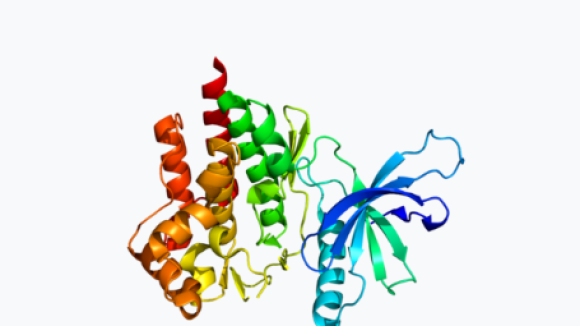
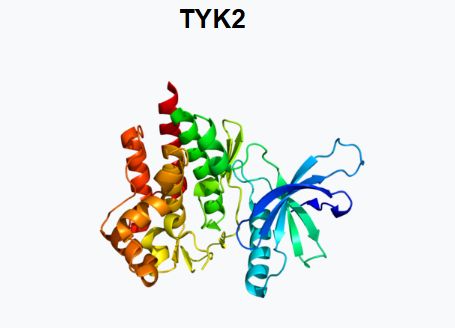
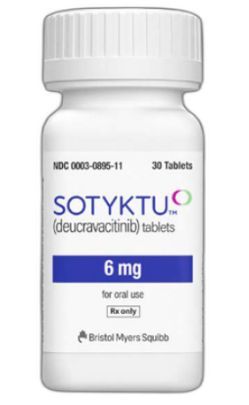
A highly selective, tyrosine kinase 2 inhibitor zasocitinib (TAK-279), was studied in a phase 2b trial and found to be effective and safe patients with active psoriatic arthritis (PsA).
Machine learning analysis of pre-treatment synovial tissue biopsy from rheumatoid arthritis (RA) patients starting either etanercept (ETN), tocilizumab (TCZ) and rituximab (RTX) revealed
A large multicenter cohort study of Relapsing Polychondritis (RP) describes the clinical manifestations and treatment approaches to this rare, heterogeneous, multisystem disease.
More effective treatments in patients with rheumatic diseases have resulted in less need for major surgery, yet a substantial number of RMD patients will undergo surgery often in the setting of DMARDs use. A scoping review looked at numerous clinical practice guidelines/recommendations for the perioperative management of DMARDs and found inconsistencies and low quality evidence, with great reliance on conditional (expert opinion) recommendations.