
Article
A systematic review of randomized clinical trials of patients with biopsy-proven lupus nephritis demonstrates both the benefits and harms to early glucocorticoid regimens on lupus outcomes.

Search for Terms or Answers
A systematic review of randomized clinical trials of patients with biopsy-proven lupus nephritis demonstrates both the benefits and harms to early glucocorticoid regimens on lupus outcomes.
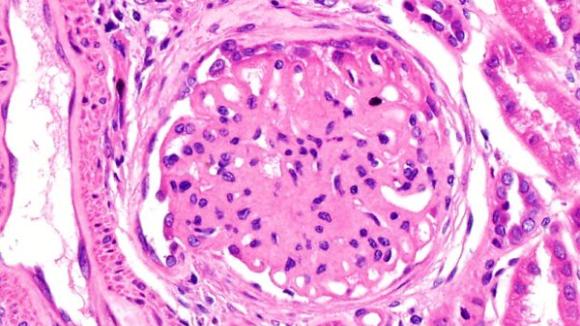
Systemic lupus erythematosus (SLE) outcomes were assessed based on whether they received sodium-glucose co-transporter 2 inhibitors (SGLT2i), in the setting of comorbid type 2 diabetes (T2D).
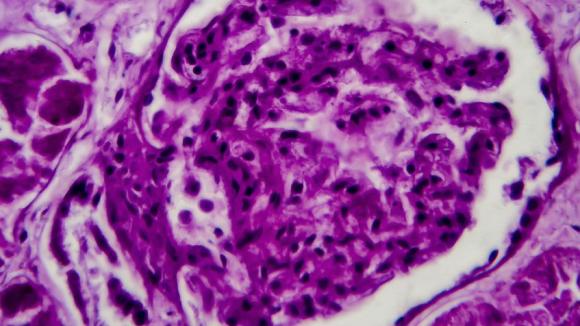
Dr. Jack Cush reviews the news and journal reports from this past week on RheumNow.com.
Dr. Madelaine Feldman has written an important commentary on the 340B Drug Pricing Program, a safety-net program that would allow vulnerable populations to receive expensive new therapies. But she points out that "this well-intentioned program has strayed from its original purpose", allowing certain hospitals and for-profit pharmacies to exploit the program.

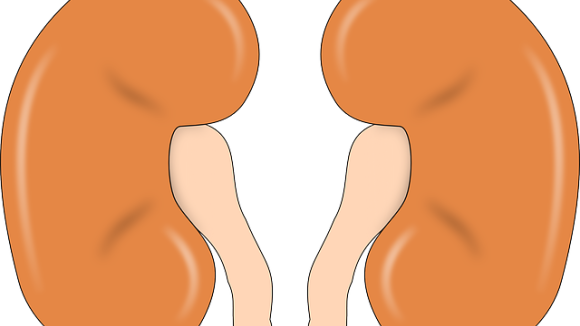
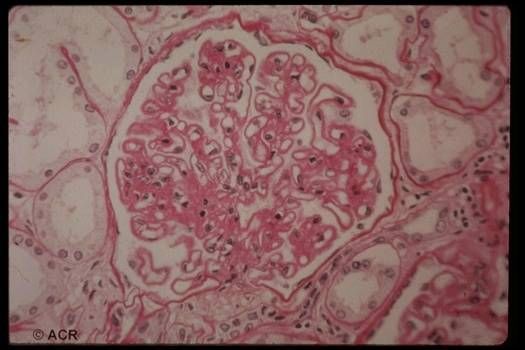
Lupus nephritis is one of the most silent and severe manifestations of SLE. When not captured early, patients are at high risk of progressing to end-stage renal disease, which would require dialysis or transplantation. Renal biopsy remains the gold standard for diagnosis and disease classification. However, the procedure is invasive and very painful. Non-invasive measures are critical for early detection and continuous monitoring.
Patients with highly active systemic lupus erythematosus (SLE) appeared to sustain much less organ damage and fewer disease flares when drug therapy yielded substantial relief, researchers found.

A retrospective cohort study presented at #ACR24 explores the benefits of GLP-1Ras in reducing the risk of end-stage renal disease (ESRD) for patients with lupus nephritis. Drawing on data from the TrinetX global research database, the study examines how GLP-1Ras may reduce ESRD progression in a population where 10-20% progress to ESRD within five years, even with immunosuppressive therapies.




By downloading this material, I acknowledge that it may be used only for personal use and personal education and that I will accredit RheumNow.com as the source and owner of this material. Commercial use or mass reproduction of this material without permission from RheumNow (info@rheumnow.com) is prohibited.


