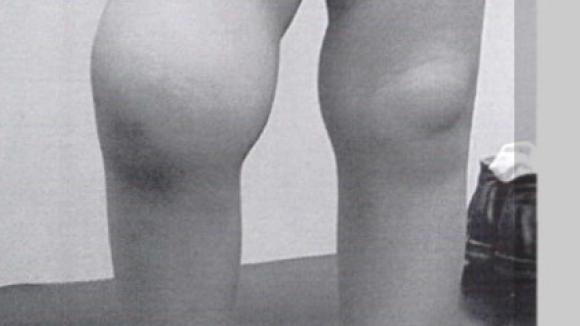
Since 2000, the German Biologics register (BiKeR) has prospectively enrolled children with juvenile idiopathic arthritis to assess outcomes with biologic therapies. A new report evaluates the efficacy and safety of etanercept (ETA), tocilizumab (TOC) and the interleukin-1 inhibitors (anakin
All News
Dr. Jack Cush reviews a dozen highlights from the past week on RheumNow.com.
The Journal of Clinical Investigation reports results of a study showing that increases in CD21lo B cells and plasmablasts following that combination checkpoint blockade preceded the onset of immune-related adverse events.
While some have postulated that IRAEs are thought to be T cell mediated, B cells have also been implicated. Investigators studied 39 melanoma patients undergoing treatment with either anti-CTLA4 or anti-PD1, or combination CCB therapy. They analyzed changes in circulating B cells before and after the first cycle of therapy of immune checkpoint blockade (23 received combination therapy, 8 received anti-CTLA4, and 8 received anti-PD1).

Myeloablative autologous stem cell transplantation was significantly more effective than 12 months of cyclophosphamide among patients with severe scleroderma, an open-label multicenter study found.
Dr. Jack Cush reviews the news from the past week on RheumNow.com. Subscribe to the podcast on iTunes and SoundCloud.com.
Despite a growing body of evidence suggesting that maternal health is more important than maternal medications to fetal and infant outcomes, little is known about the long term oucomes of infants born to mothers with rheumatoid arthritis (RA). Using Danish population data, researchers have shown in utero exposure to maternal RA is associated with an increased risk of thyroid disease, and an increased risk of future RA.
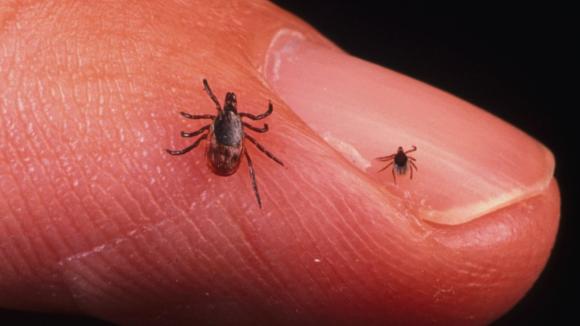
Even though Arkansas lies on the edge of the geographic range of the principal Lyme disease tick vector, Ixodes scapularis, the risk for Lyme infection is low, and no confirmed Lyme disease cases were reported in Arkansas during 2008–2014 (1)
The RheumNow Week in Review discusses the past week's news, journal articles and highlights from RheumNow.com. In this week's report, Dr. Jack Cush discusses presentations from APLAR 2017 in Dubai, Catastrophic APS, safety of low-dose prednisone, frequency of psoriatic arthritis and a new drug for PsA and a hepatitis A outbreak in San Diego.
PLOS reports greater than 90% efficacy when rituximab (RTX) is used to treat patients with IgG4-related disease (IgG4-RD).
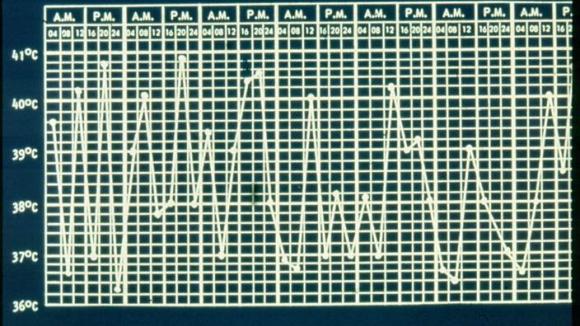
Adult-onset Still's disease (AOSD) is the adult continum of systemic-onset juvenile idiopathic arthritis (SoJIA). Treatment of this febrile polyarticular systemic disorder can be complex, but has been relieved by several specific biologic therapies.
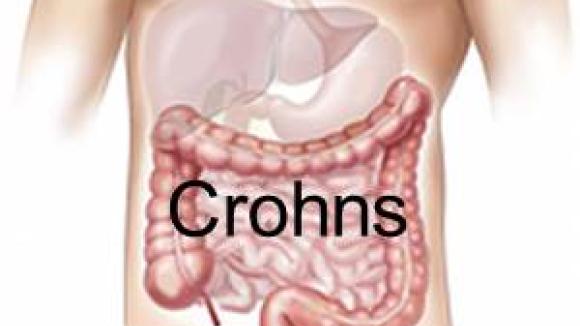
Crohn’s disease (CD), a chronic inflammatory condition of the gastrointestinal tract, is also known for its propensity to affect the musculoskeletal system.
Comorbidity is a serious consequence or confounder in patients with inflammatory diseases. This has been well described in both psoriatic and rheumatoid disease.
Treatment options for children with active polyarticular juvenile idiopathic arthritis (polyJIA) have lagged behind that seen with adult rheumatoid arthritis.
Adult-onset Still disease (AOSD) is usually regarded as an autoinflammatory disease, largely because of its symptomatology and responsiveness to IL-1 inhibition.
A retrospective study shows that rituximab treatment of RA-related interstitial lung disease may improve or forestall ILD progression.
Dr Jack Cush reviews highlights from the news last week on RheumNow.com:
A retrospective analysis of four European vasculitis trials analyzes the risk venous thromboembolism (VTE) with ANCA-associated vasculitis and shows that CRP, cutaneous and GI involvement and baseline creatinine were most associated with VTE risk.
On the 21st of April, the FDA approved another infliximab biosimilar, called Renflexis (Infliximab-abda) following on the biologics license application of the South Korean manufacturer Samsung Bioepis Co. LTD. In early developmental trials this agent was also called SB2.
Dr. Jack Cush reviews highlights from the past week on RheumNow.com: