The goal of SLE treatment is remission or low disease activity and flare prevention. Hydroxychloroquine is recommended in all patients with lupus, at a dose not exceeding 5 mg/kg real body weight. Glucocorticoids (GC) should be minimised to less than 7.5 mg/day (prednisone equivalent). Appropriate initiation of immunomodulatory agents (methotrexate, azathioprine, mycophenolate) can be tailored to the clinical scenarios and may allow for tapering or discontinuation of GC.
All News
The advent of "big data" and "-omics" technologies offers hope that clinicians will soon have better diagnostics for systemic lupus erythematosus, rheumatologists here were told.
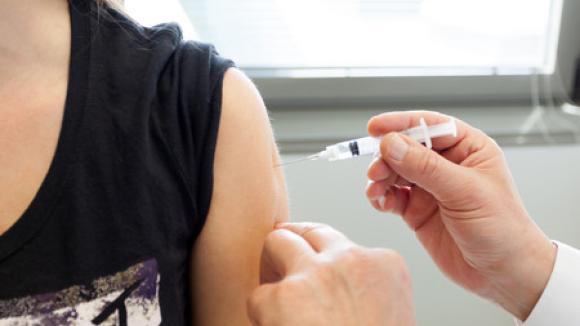
Although both the disease and the treatment for it in rheumatology patients may work at cross-purposes with immunizations, only a very few vaccines are absolutely contraindicated in this population, an infectious disease specialist told rheumatologists here.
Dr. Jack Cush reviews the news and journal articles from the past week on RheumNow.com
Dr. Jack Cush reviews the news and journal reports from the past week on RheumNow.com.
Two recent studies have examined the effect of starting abatacept upon the risk of serious hospitalized infections or cancer, showing divergent results from claims data analyses.
A Lancet study has shown that adding cyclosporin to intravenous immunoglobulin (IVIG) Kawasaki disease patients, who were predicted to be resistant to IVIG, was both safe and effective in averting severe coronary artery outcomes.
First-line treatment of systemic juvenile idiopathic arthritis (JIA) with anakinra (Kineret) was highly effective as monotherapy, minimizing the need for glucocorticoids, a single-center prospective study found.
Children of autoantibody-positive mothers who were born with congenital heart block were at high risk for developing later cardiovascular and autoimmune disorders, as were their siblings, Swedish researchers reported.
Dr. Jack Cush Reviews the news and journal articles from the past week on RheumNow.com
A multidisciplinary Canadian task force has developed guidelines for vaccination in patients receiving immunosuppressive therapies, based on the evidence that immunosuppressive use in immune-mediated disease may be associated with an elevated risk of infections.
Analyses from the Swedish EIRA incident rheumatoid arthritis cohort study shows that smoking and HLA-DRB1 exert differential effects on serologically defined RA subsets - but that the strongest influence was seen in double positive (CCP+, RF+) individuals.
Dr. Jack Cush reviews new journal articles, news reports, and more from the past week on RheumNow.com.
Dr Jack Cush reviews the news from the past week at RheumNow.com.
A subanalysis of the early rheumatoid arthritis (RA) "IMPROVED" study has shown that changes in RA-autoantibody levels are not associated with disease activity or or long-term drug response, but instead reflect intensity of immunosuppression.
Despite striking improvements in survival among patients with systemic lupus erythematosus (SLE) in recent decades -- from 1-year survival of less than 50% before the introduction of prednisone to 90% today in most specialized treatment centers -- many challenges remain in this perplexing, multis
This annual appraisal of hallmark moments, news and research articles from 2018 are gleaned from that published in RheumNow during the last year and filtered by other news sources and literature review. The top 10 list herein is rooted in what rheumatologists should know and what will likel
Researchers from Yale have taken a novel approach and shown benefits when using tofacitinib in severe cutaneous sarcoidosis.
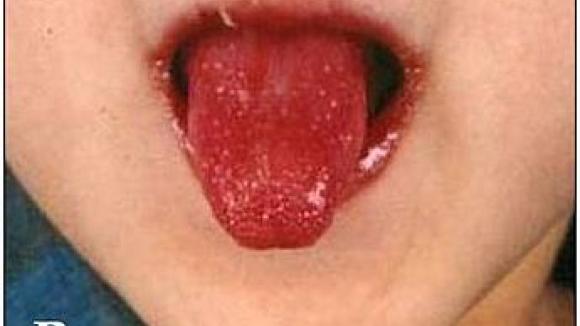
Ronald F van Vollenhoven and colleagues have reported in Lancet that ustekinumab (UST), an interleukin-12 and -23 inhibitor, when added to usual therapy in systemic lupus erythematosus (SLE) patients, was shown to be superior to placebo at improving clinical efficacy and laboratory param
Stem cell clinics are popular and proliferating as they are largely a cash business and fall outside of FDA regulatory control. In lieu of scientific proof, most advocates use patient testimonials and the placebo effect to back up their claims.