
Article
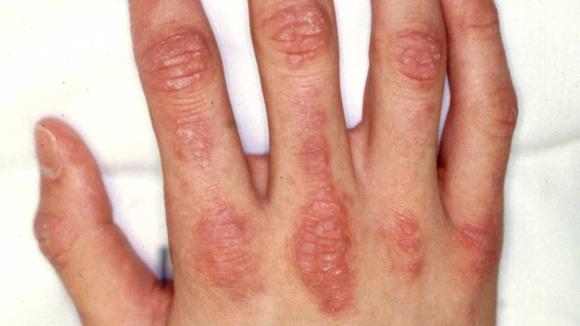
Lancet reports that the use of dazukibart, a selective monoclonal antibody against interferon B (IFNβ), was clinically effective in reducing disease activity in adults with active dermatomyositis (DM).

Search for Terms or Answers
Lancet reports that the use of dazukibart, a selective monoclonal antibody against interferon B (IFNβ), was clinically effective in reducing disease activity in adults with active dermatomyositis (DM).
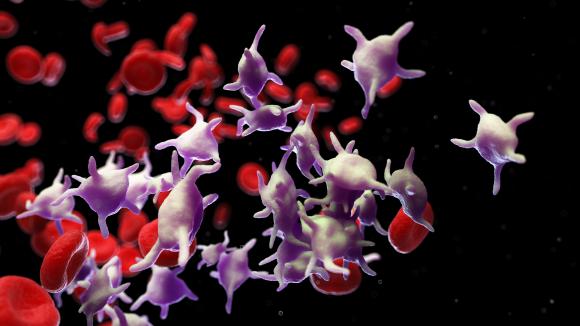
A pilot trial has shown a thrombopoietin receptor agonist, eltrombopag (Promacta), to be effective in connective tissue disease-related (CTD), refractory immune thrombocytopenia (ITP).
Dr. Jack Cush brings in the new year with a review of the latest from RheumNow.com

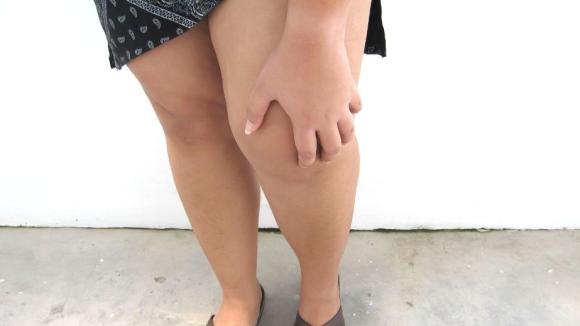
In October, the NEJM published a randomized clinical trial demonstrating the efficacy of glucagon-like peptide-1 receptor agonists (GLP-1ra) in patients with obesity and knee osteoarthritis.
Data from a large UK database finds that gout patients starting urate-lowering therapy (ULT) will benefit from added colchicine prophylaxis by having fewer cardiovascular events.
EULAR has established guidance on best practices for delivering patient education in physical activity and self-management of pain during transitional care in rheumatology.

An epidemiologic assessment of the prevalence of autoimmune diseases in the United States (US) finds that nearly 5% of the population has an autoimmune disorder, twice as many in women compared to men.
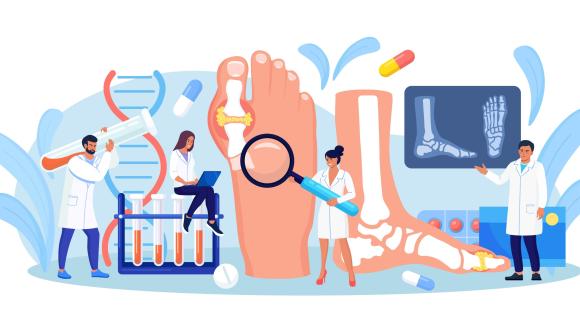
The antiviral drug valaciclovir (Valtrex), given prophylactically, kept patients with systemic lupus erythematosus (SLE) under treatment with anifrolumab (Saphnelo) from having herpes zoster attacks, researchers said, offering a potential alternative to zoster vaccination.
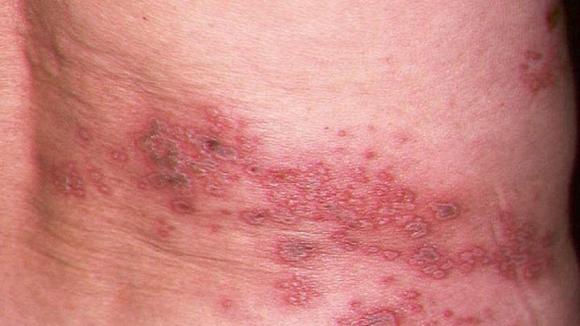
A cohort study of gout patients with CKD stage 3 found that lowering serum urate (SUA) level to less than 6 mg/dL, lowered the risk for severe or end-stage kidney disease progression.

Dr. Jack Cush reviews the journal reports from the past week on RheumNow.com. Highlights are summarized by three songs: "Stairway to Heaven", "You're No Good", and "How Long (has this been going on)".
NHANES national survey study shows that sedentary behavior is an independent risk factor for gout, especially in those without hyperuricemia.

Atherosclerosis progression was more than twice as common in younger people with SLE than in healthy controls in a prospective study from Greece, but the rate difference narrowed substantially with sustained SLE remission and conventional cardiovascular risk factor management.

The British Society for Rheumatology has updated its 2015 guidelines for the management of patients with systemic sclerosis (SSc) based on published evidence, systematic literature review and expert opinion.
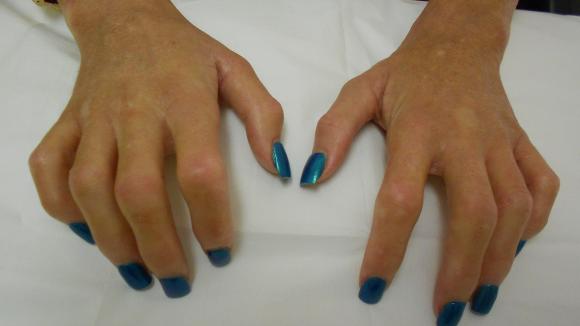
A systematic review of randomized clinical trials of patients with biopsy-proven lupus nephritis demonstrates both the benefits and harms to early glucocorticoid regimens on lupus outcomes.
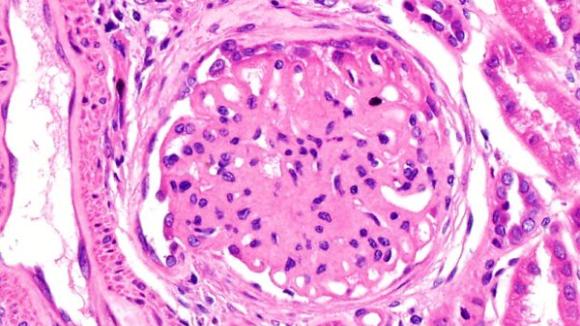
A follow-up analysis of a randomized clinical trial found that the use of calcium and vitamin D supplements among postmenopausal women was associated with decreased risk for cancer mortality, but increased risk for cardiovascular disease mortality. The analysis is published in Annals of Internal Medicine.
Systemic lupus erythematosus (SLE) outcomes were assessed based on whether they received sodium-glucose co-transporter 2 inhibitors (SGLT2i), in the setting of comorbid type 2 diabetes (T2D).
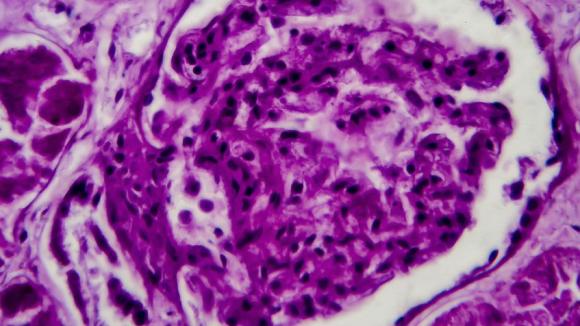
Glucocorticoids are widely prescribed as anti-inflammatory and immunosuppressive agents. This results in at least 1% of the population using chronic glucocorticoid therapy being at risk for glucocorticoid-induced adrenal insufficiency. This risk is dependent on the dose, duration and potency of the glucocorticoid, route of administration, and individual susceptibility.


By downloading this material, I acknowledge that it may be used only for personal use and personal education and that I will accredit RheumNow.com as the source and owner of this material. Commercial use or mass reproduction of this material without permission from RheumNow (info@rheumnow.com) is prohibited.


