RheumNow will periodically report safety issues as Drug Safety Bulletins. These will update you with safety issues, label changes and reports of new, ongoing and resolved drug shortages that affect rheumatology. If you have suggestions or information about specific drug shortages or drug safety issues, please email us at info@rheumnow.com.
All News
Dr. Jack Cush reviews highlights from the past week on RheumNow.
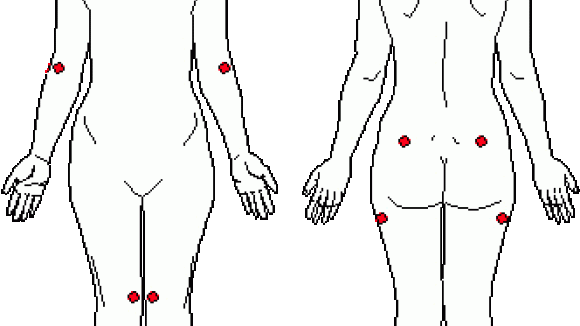
The European League Against Rheumatism (EULAR) recommendations for fibromyalgia (FM) management were published in 2007 and largely had recommendations based on expert opinion’. These guidelines were updated in May of 2015 after a systematic reviews and meta-analyses of the data.
A randomized trial of 537 knee osteoarthritis (OA) patients in the Duke Healthcare system has shown that patient- and provider interventions were no better than the usual standard of care.
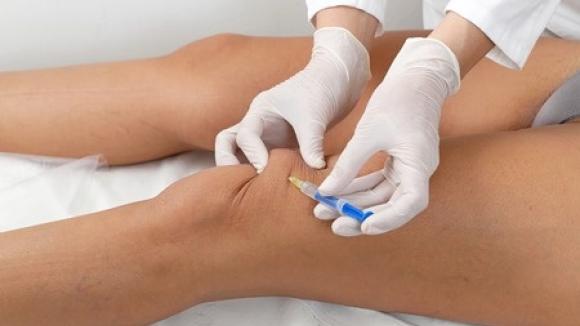
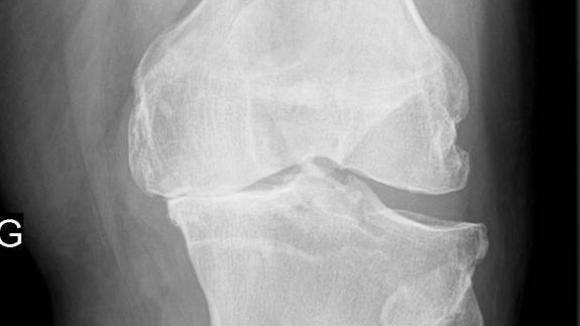
The current online edition of JAMA examines the evidence from 27 clinical trials and 1767 patients to assess the impact of intra-articular corticosteroids in patients with knee osteoarthritis (OA).
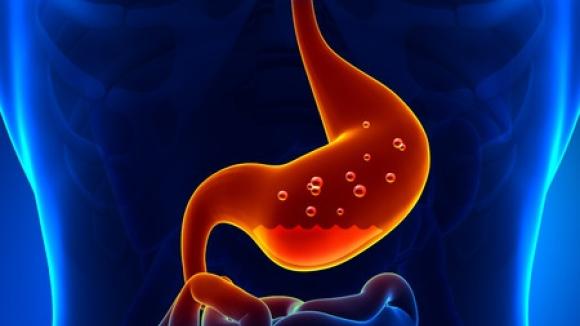
There are more than 11 million proton pump inhibitor (PPI) prescriptions written each year in the United States. While these agents have dramatically changed the management and outcome of upper gastrointestinal (GI) erosive and inflammatory disorders, their use has not been without safety concerns.
A study by the American College of Physicians (ACP) found that physicians continue to prescribe treatments that offer little benefit to patients, despite the advice of clinical guidelines.
The opioid abuse epidemic is well known and the focus of many regulators and health care personnel. The problem also affects the youngest Americans, according to a recent Washington Post article.
The Wall Street Journal has reported an alarming trend in generic drug pricing that affects many, especially the elderly and those with arthrtis.
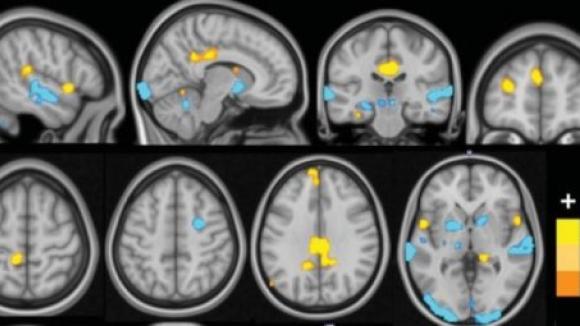
Fibromyalgia is a well characterized condition with disordered pain processing. Although the clinical constellation and diagnostic clues are well characterized, FM lacks a diagnostic biomarker and most imaging and tissue diagnostics have been unrevealing.
Low back pain (LBP) is the fifth most common reason for all physician visits in the United States and nearly 25% of all U.S. adults have had LBP in the last 3 months and nearly 6% reported at least 1 episode of severe acute low back pain in the last 1-year.
Low back pain (LBP) is a highly prevalent public health problem. Not surprisingly, imaging of LBP is also an expensive and often overused diagnostic tool.
Aromatase inhibitors (AI) are often given in the setting of estrogen receptor-positive (ER+) breast cancer therapy.
Dr. Jack Cush reviews highlights from the journals and news this week on RheumNow.com.
The October 7th edition of MMWR reports that severe joint pain (SJP) has significantly risen from 10.5 million in 2012 to 27.2% in 2014, based on recent NHIS surveys.
Symptoms attributed to chronic Lyme disease are the bane of a rheumatologist’s existence. We often see patients referred for a variety of nonspecific complaints that do not resolve after antibiotic therapy, including the so-called post-Lyme disease syndrome.
A review of this week's news including the cost of opioid abuse, a RTX biosimilar, a new drug for scleroderma, a new shingles vaccine and a CPAP disappointment.
The current issue of ACP Internist discusses the considerable dissent among the medical community about fibromyalgia (FM), its cause, diagnosis and care. This review addresses many concerns with input from well-known experts in rheumatology.
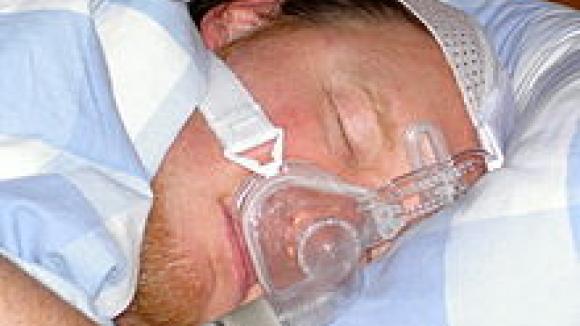
There are numerous health hazards associated with obstructive sleep apnea (OSA), including an increased risk of cardiovascular events.
Highlights from this week on RheumNow.com include:
1. Having #RA in addition to solid cancer (breast, lung, prostate, colon) increases mortality rates by 40-50% in elders https://t.co/aitjusmOai
2. The global market for rheumatoid arthritis therapies was $19.9 billion in 2015, expected to reach $21.3B by 2020 https://t.co/d2Sh5C8y9f
3. Half of doctors never heard of MACRA:Medicare Access & CHIP Reauthorization Act. Starts on Jan 1st! https://t.co/eYgWBWCw6y Blog:https://t.co/sRKZSOFyNV
And more!