Drugs commonly used to treat systemic autoimmune rheumatic diseases (SARDs) may keep the SARS-CoV-2 circulating after COVID-19 infection in patients with these conditions, with researchers documenting substantially increased viral antigen persistence compared with other post-COVID patients.

All News
Glucagon-like peptide-1 receptor agonists (GLP-1 RAs) have transformed cardiometabolic medicine and are now attracting intense interest in inflammatory disorders.
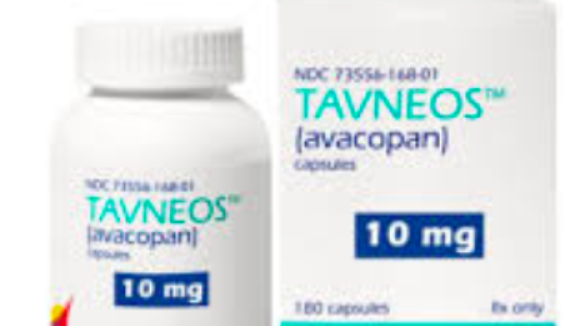
The future of avacopan is up in the air. In April, the FDA issued a drug safety warning, previously requesting that Amgen to pull its rare disease drug Tavneos from the market. Now, there appears more pressure to remove it from the market.
Malignancy rivals cardiovascular disease as a leading cause of death in patients with systemic autoimmune diseases. Chronic inflammation and immune dysregulation can drive oncogenesis, while antitumor immune responses can trigger autoimmune phenomena (paraneoplastic syndromes, checkpoint inhibitor-induced rheumatic disease).
After the first tumour necrosis factor inhibitor (TNFi) failure, patients with active rheumatoid arthritis (RA) responded by switching to upadacitinib, compared to cycling to a second TNFi, adalimumab.
Dr. Jack Cush follows the money and all the news that fits the Rheumatology Gab for this past week.
NSAIDs in Inflammatory Bowel Disease?
At least some patients with inflammatory bowel disease (IBD) can safely use common drugs for musculoskeletal aches and pains, a large study of insurance claims data suggested, contradicting a widespread concern that these products can trigger IBD flares.
A retrospective target trial emulations has shown that low-dose aspirin (ASA) given with a giant cell arteritis (GCA) diagnosis is associated with a lower risk of major adverse cardiovascular events (MACE), but a higher risk of GI bleeding.
Arthritis Research & Therapy has published an overarching review of Still's disease - claiming it to be a single acquired and complex autoinflammatory disease in which both pediatric and adult forms share core pathogenic mechanisms, genetic associations and clinical presentations, with minor differences between children and adults who are afflicted.
A 2026 Physician Survey to assess artificial intelligence and its use in Medical Practice has been published and follows earlier surveys around adoption and use. This is the third in a series of longitudinal surveys (prior waves 2023, 2024), enabling meaningful trend analysis. AI adoption has more than doubled in three years and physician sentiment shifting decisively toward cautious optimism.