


Aspirin Cardiovascular Prevention in Giant Cell Arteritis Save

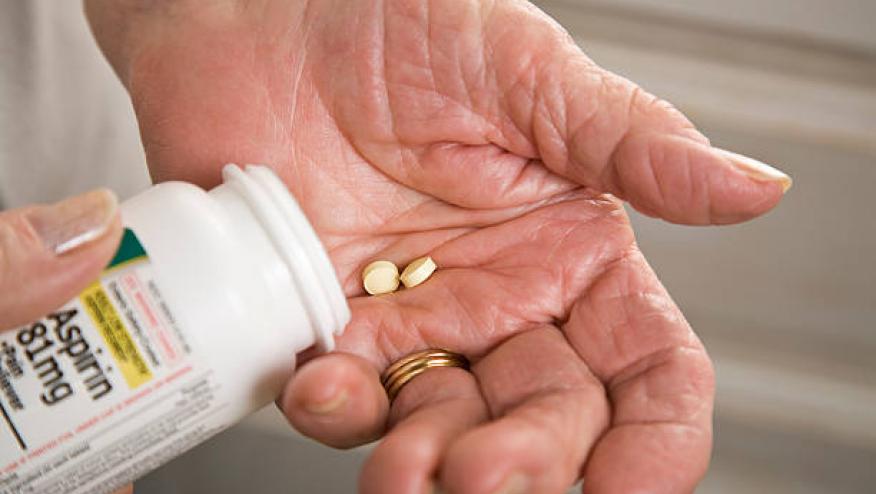
A retrospective target trial emulations has shown that low-dose aspirin (ASA) given with a giant cell arteritis (GCA) diagnosis is associated with a lower risk of major adverse cardiovascular events (MACE), but a higher risk of GI bleeding.
This French study cohort of 14 528 patients, over age 50 years, with incident GCA but no prior history of cardiovascular events or antiplatelet or anticoagulant use at GCA diagnosis. The primary outcome was MACE (composite of ischemic stroke, myocardial infarction, and all-cause mortality). Major hemorrhages were evaluated as secondary outcomes.
Among 14 528 patients the median age was 74 years; 72% were female. Low-dose aspirin was initiated within 14 days of diagnosis in 5220 (36%).
At 1 year, MACE risk was Significantly lower in the low-dose aspirin group (RR 0.86 [95% CI, 0.75 to 0.96].
But the major hemorrhage risk was higher (RR,1.29 [95% CI, 1.05 to 1.53]; RD).
All-cause mortality was lower in the low-dose aspirin group at 1 year. MACE events were less at one and three years but risk of GI bleeding was only seen at year 1.
The biggest protective effect of low-dose aspirin (1-year MACE) was seen in women (RD, −0.78% [95% CI, −1.29% to −0.25%]) and patients with diabetes at GCA diagnosis (RD, −2.23% [95% CI, −3.48% to −1.02%]).
Low-dose aspirin give at GCA diagnosis was associated with lower MACE at 1 and 3 years but higher hemorrhage risk at 1 year. Selective use of ASA prophylaxis is warranted based on age, risk of GI bleed and data showing best benefits in women with diabetes.
Join The Discussion
Who is going to do the colchicine study to prevent MACE in this population. It works better than aspirin in the general cardiac patient population.
Disclosures
Disclosures
The author has no conflicts of interest to disclose related to this subject





If you are a health practitioner, you may Login/Register to comment.
Due to the nature of these comment forums, only health practitioners are allowed to comment at this time.