
Article
Dr. Jack Cush reviews the news and journal reports and this week, takes on 5 cases/questions from "Ask Cush Anything"

Search for Terms or Answers
Dr. Jack Cush reviews the news and journal reports and this week, takes on 5 cases/questions from "Ask Cush Anything"

The AURORA 2 study evaluated the long-term safety and efficacy of voclosporin lupus nephritis patients and, after three years, demonstrated long term safety and efficacy following the one-year AURORA 1 study.
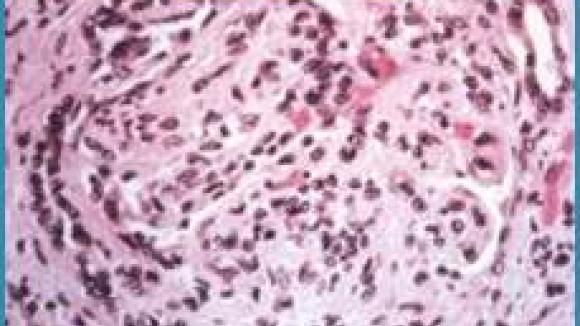
Dr. Jack Cush Reviews the news and journal reports on CVA, TKA, PJP, ADA, and more!
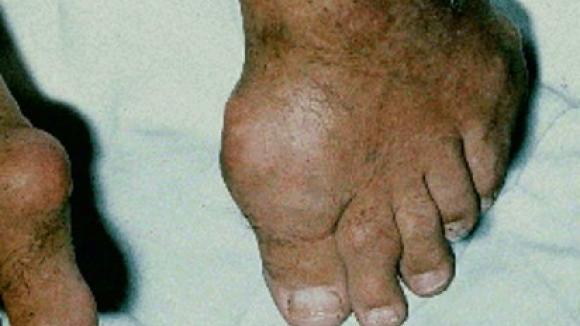
The 12-month safety and efficacy of pegloticase + methotrexate (MTX) in the MIRROR trial shows continued efficacy and tophi resolution after 12 months of therapy.
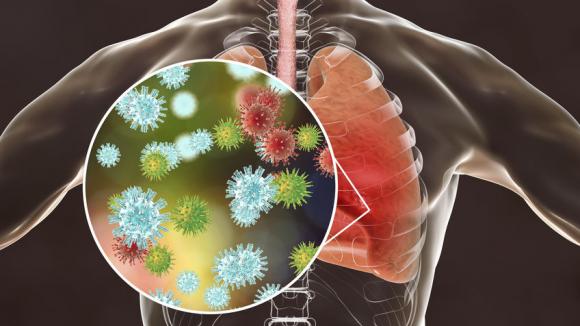
Do abatacept, cenicriviroc, or infliximab improve time to recovery for patients hospitalized with COVID-19 pneumonia compared with standard care?
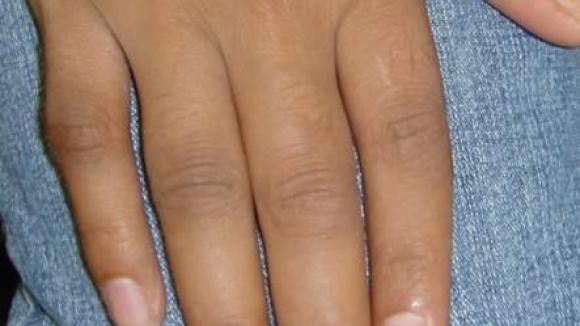
A phase 3 trial assessed a selective Janus kinase 1/2-inhibitor, baricitinib, in patients with juvenile idiopathic arthritis (JIA), demonstrating it's efficacy and safety compared to placebo.
A safety analysis of six phase III SELECT trials showed that higher-risk rheumatoid arthritis (RA) patients had an increased risk of MACE, malignancy (excluding NMSC) and venous thromboembolic events (VTE) regardless of being treated with either upadacitinib (UPA) or adalimumab (ADA).

ChatGPT is a new, artificial intelligence chatbot that has dramatically changed the digital worlds of education, research, graphic design, statistics and more. While this AI driven platform has the untold potential in generating written content, there is considerable concern in assuring that human-generated content of research, education and publishing has veracity.

Safety outcomes for targeted synthetic or biological disease-modifying antirheumatic drugs (b/ts DMARDs) used to treat RA were studied using data from the Anti-Rheumatic Therapies in Sweden (ARTIS) registry, showing that these newer agents are largely similar, but still have particular differences for specific infection or other adverse event risks.

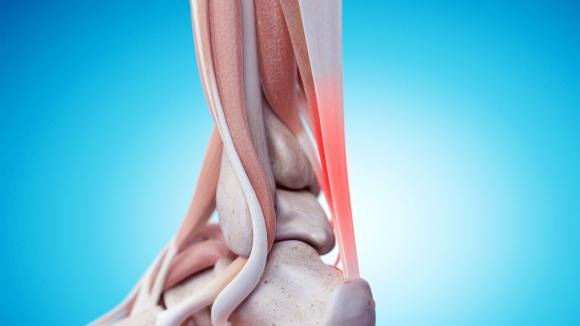
GRAPPA has provided new, evidence based updates to the management of enthesitis in patients with psoriatic arthritis (PsA), affecting at least 30% of PsA patients and is associated with more severe disease, x-ray damage, and poorer outcomes.




By downloading this material, I acknowledge that it may be used only for personal use and personal education and that I will accredit RheumNow.com as the source and owner of this material. Commercial use or mass reproduction of this material without permission from RheumNow (info@rheumnow.com) is prohibited.
