


Blogs

The Delayed Diagnosis of Spondyloarthritis
You see them from the corner of your eye, standing with a kyphosis in the waiting room. They are filling out their paperwork, standing up because sitting is just not pleasant. You are the rheumatologist with an interest in ankylosing spondylitis (AS) and spondyloarthritis, so more likely than not, the patient with the bent spine is going to be your next new patient. In the back of your mind you are hoping that they are not so far along so that the therapy you may prescribe can make a difference in their life.

“The Big Sick” Movie Review
It's Monday morning and my first patient is a newly diagnosed rheumatoid. This is his first visit back after starting methotrexate 6 weeks ago. Despite doing great and in remission with only one active joint, he asks, “Are sure this is RA? Or could this be Still’s disease?” Admittedly, this is a weird second-visit question, but I was impressed.


The IL-6 Wars
In the years to come, the availability of numerous new IL-6 inhibitors it will either complicate treatment decisions, alter existing treatment paradigms, or result in an all-out war against TNF inhibitor dominance. Data, differences and time will tell.

KOLs Predict: What Will the Next Year Bring?
A new subspecialty may emerge. New drugs will be approved (but it will be difficult for patients to get coverage for them). And an American team will win the World Series. All these and more: here are predictions for 2017 and beyond from rheumatologists across the country and around the world.

5 Mistakes When Diagnosing Adult-Onset Still’s Disease (Best of 2015: #10)
Adult-onset Still's posses a interestng and diagnostic challeng when encountered. Here are 5 tips to improve your diagnostic acumen for this febrile disorder.
5 Mistakes When Diagnosing Adult-Onset Still’s Disease
Adult-onset Still's posses a interestng and diagnostic challeng when encountered. Here are 5 tips to improve your diagnostic acumen for this febrile disorder.
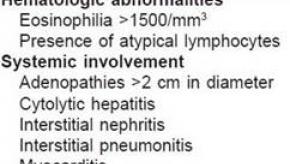
Dress Syndrome – A Diagnostic and Management Nightmare
The DRESS syndrome is a rare and sometimes catastrophic disorder resulting from specific drug exposures, including allopurinol, minocycline, INH, anticonvulsants or retroviral agents.

