

Current guidelines recommend limiting the use of glucocorticoids by coining the new concept of “bridging therapy”, that is, use GCs when the disease is active and get rid of them as soon as you can. This way of thinking is conceptually attractive, however, the formula for translation to real life settings is not included.
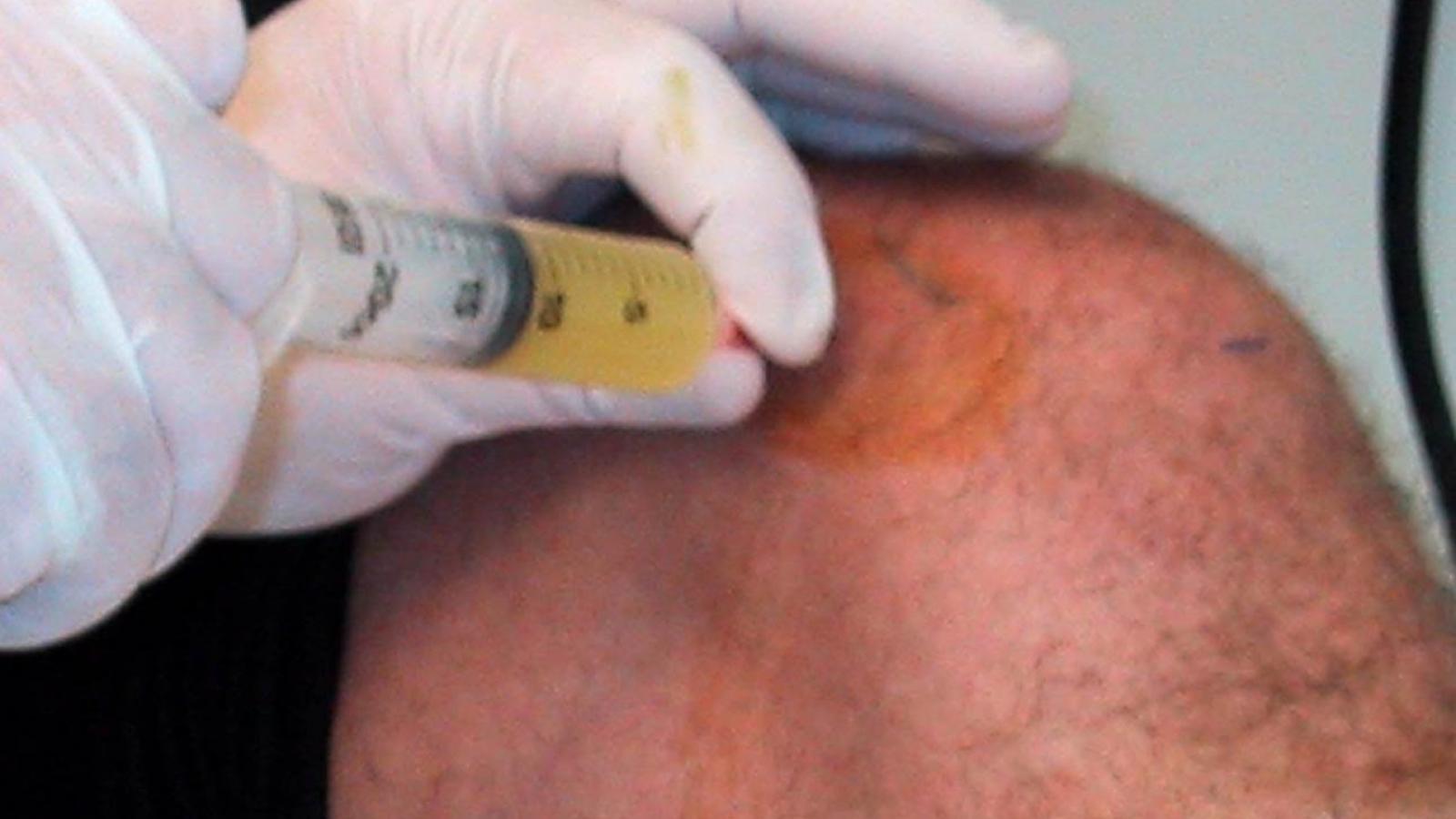
A single center, retrospective review of patients undergoing knee joint fluid aspirations for presumed crystalline arthritis (CA) showed that synovial WBC may provide a useful diagnostic marker for SA with an optimal threshold of 50,000 cells/mm3.
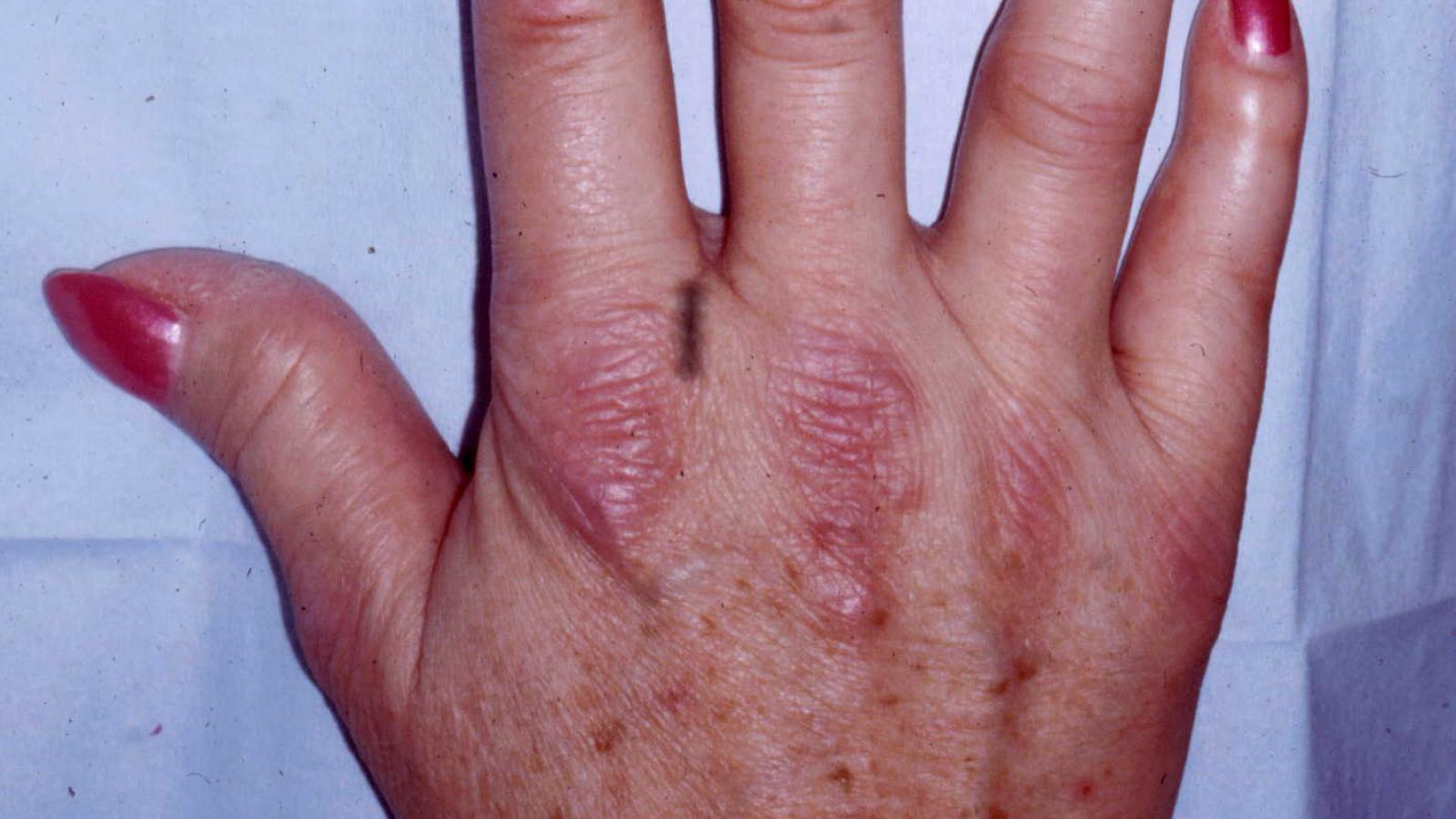
Researchers from the University of Pennsylvania have published an open-access review of dermatomyositis (DM) - its manifestations, hallmark cutaneous features, etiopathogenesis and treatment options.

JAMA has published a clinical guideline on the use of vitamin D to prevent disease in children and adults.

Rheumatologists typically manage systemic autoimmune rheumatic diseases and associated interstitial lung disease with immunosuppressants. However, evidence increasingly supports also the use of antifibrotic agents in this setting.

Methotrexate (MTX) is the most commonly used DMARD in rheumatoid arthritis (RA); however, there is significant intolerance to this drug among adult RA patients - especially at doses above 15 mg per week.

The FDA has approved nerandomilast (Jascayd), a PDE4b inhibitor, to treat adults with progressive pulmonary fibrosis (PPF). Nerandomilast was approved to treat idiopathic pulmonary fibrosis (IFP) in October 2025.

A current systematic review in Rheumatology addresses the clinical features seen in the VEXAS syndrome.

As the utilization of APPs (nurse practitioners and physician assistants) in rheumatology becomes more prevalent, here are three things to consider if you are thinking about adding an APP to your practice.

Dr. Jack Cush reviews the news and journal articles from the past week on RheumNow.com. Who would've thunk - a PsA FMF connection? Labs to diagnose SSc-ILD? IgA-RF may be important or RZV may not work in JAK inhibitor treated patients?

December 2025 is focused on advanced practice providers, their impact, education and priorities. In seeking and soliciting the help and advice of leaders in the rheumatology APP world, I have been impressed by APP pride, dedication and passion for what they do.

As a PA with six years of experience in rheumatology and a background in gastroenterology, today I'm discussing the clinical overlap between inflammatory arthritis—particularly psoriatic arthritis and spondyloarthropathies—and inflammatory bowel disease. Visit our Mission APP: Partners in Care site for more APP-focused articles and videos.
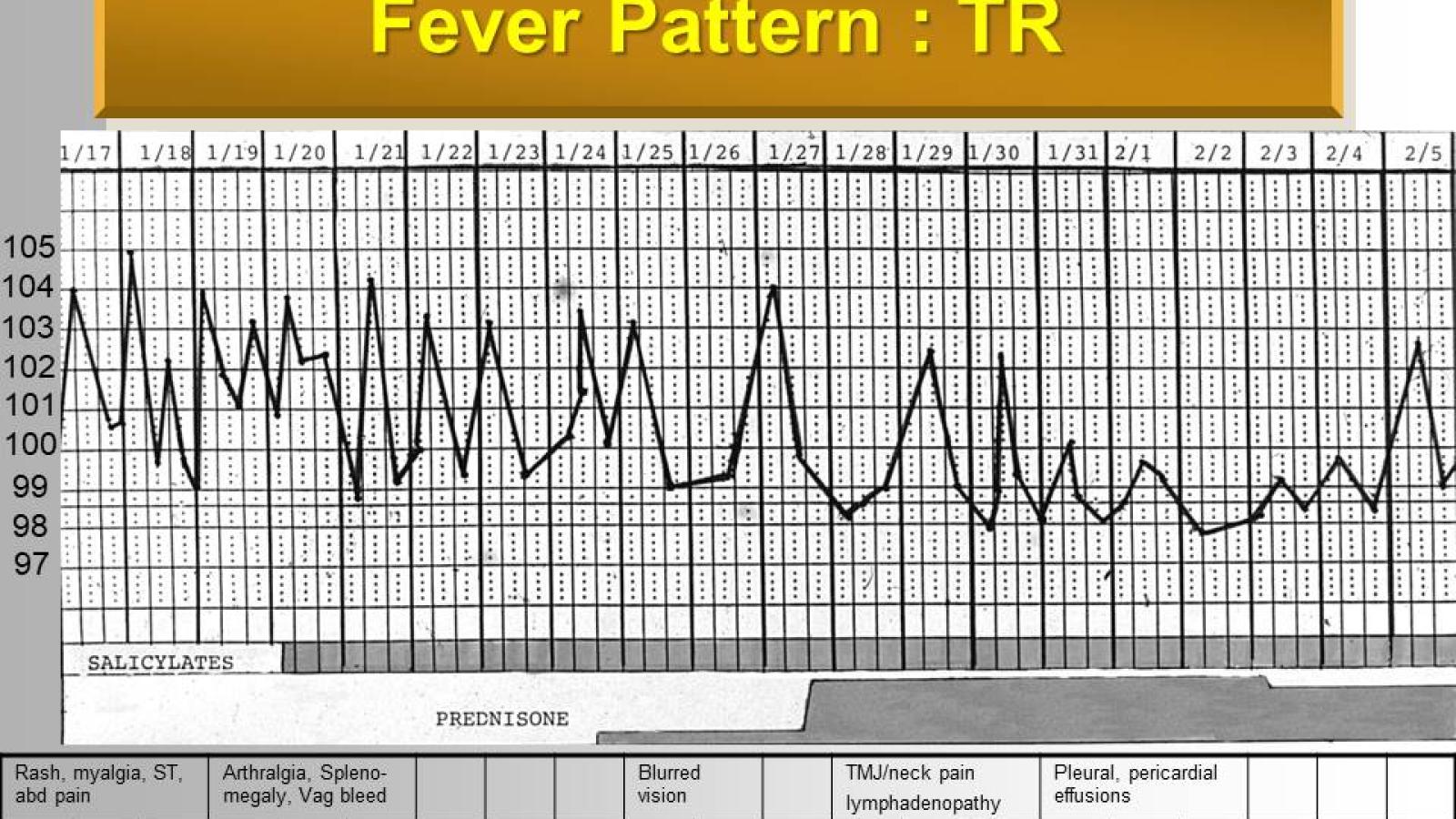
EULAR has published a "points to consider" (PtCs) guidance on the development of criteria for the assessment of the disease activity in adult-onset Still’s disease (AOSD).

New findings from national U.S. surveys reveal the profound impact of arthritis on millions of adults, especially those facing social and economic challenges. These data will be featured in an upcoming issue of Arthritis Care & Research, an official journal of the American College of Rheumatology.

In 2023, a EULAR subcommittee set out to assess the roles of nurses and Advanced Practice Nurses (APN) in the care of arthritis as outlined in published EULAR guidelines. The scope of APN practices was first proposed in 2012 and revised in 2018. EULAR updated its recommendations for the role of the nurse in the management and care of patients with rheumatic conditions.

