
This week's Tuesday Nite Rheumatology featured Dr Jonathan Kay (U Mass) who gave an update on Biosimilars and took questions the subject. The program was moderated by Dr. Jack Cush.

For Jessica, an ICU nurse, 12-hour shifts were usually fast paced, challenging and productive. But the cadence and demands of work abruptly changed mid-March when COVID-19 came.
Amongst her many ICU admissions she took care of Larry, who was instantly interesting and forever memorable. He had contracted the coronavirus less than a week before. He was a 60-ish yr. old man who tried to be humorous, but who was clearly distressed and worried. He

Almost one-third of patients with new-onset rheumatoid arthritis (RA) reported persistent unacceptable pain after 21 months of combination therapy, according to a study by Swedish researchers.A total of 29% of patients continued to have unacceptable pain.

In the current issue of MMWR, the CDC reports that among military personnel starting basic training, the use of nonpharmaceutical interventions (NPI) may significantly reduce the risk of COVID-19 infection. NPIs advocated include screening measures, testing, administrative measures, quarantine, isolation, and source control, all as efforts to limit transmission COVID-19 in the community.

Today Eli Lilly announced that Taltz (ixekizumab) has received FDA approval for the treatment of adults with active non-radiographic axial spondyloarthritis (nr-axSpA). Ixekizumab (an IL-17A inhibitor) would join certolizumab (TNF inhibitor) as the only 2 drugs approved by the FDA for nr-axSpA.
Gianfresco et al have published the first peer-reviewed analysis of COVID-19 infected, rheumatic disease patients entered into the Rheumatology Global Alliance registry; showing that a) rheumatic disease patient can be infected with COVID-19, b) that DMARD and biologic use has no apparent effect on outcomes and c) steroid increase and TNF inhibitor decrease the odds of hospitalization.

Dr. Jack Cush reviews the news and journal articles from the past week on RheumNow.com.
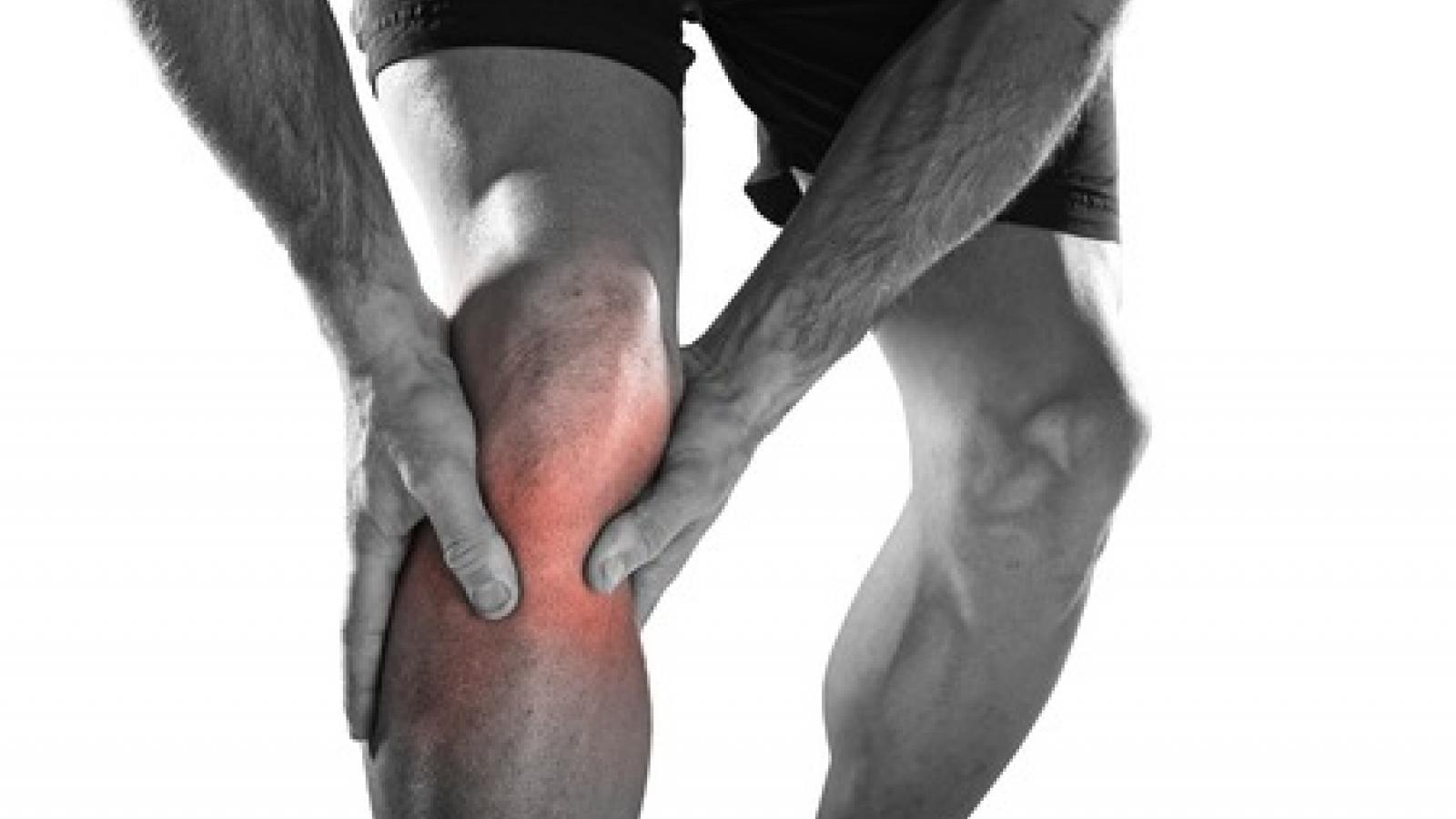
The Wnt pathway modulator lorecivivint failed to meet the primary endpoint in a phase IIa study for knee osteoarthritis (OA), but showed promise in certain patient subgroups, researchers reported.
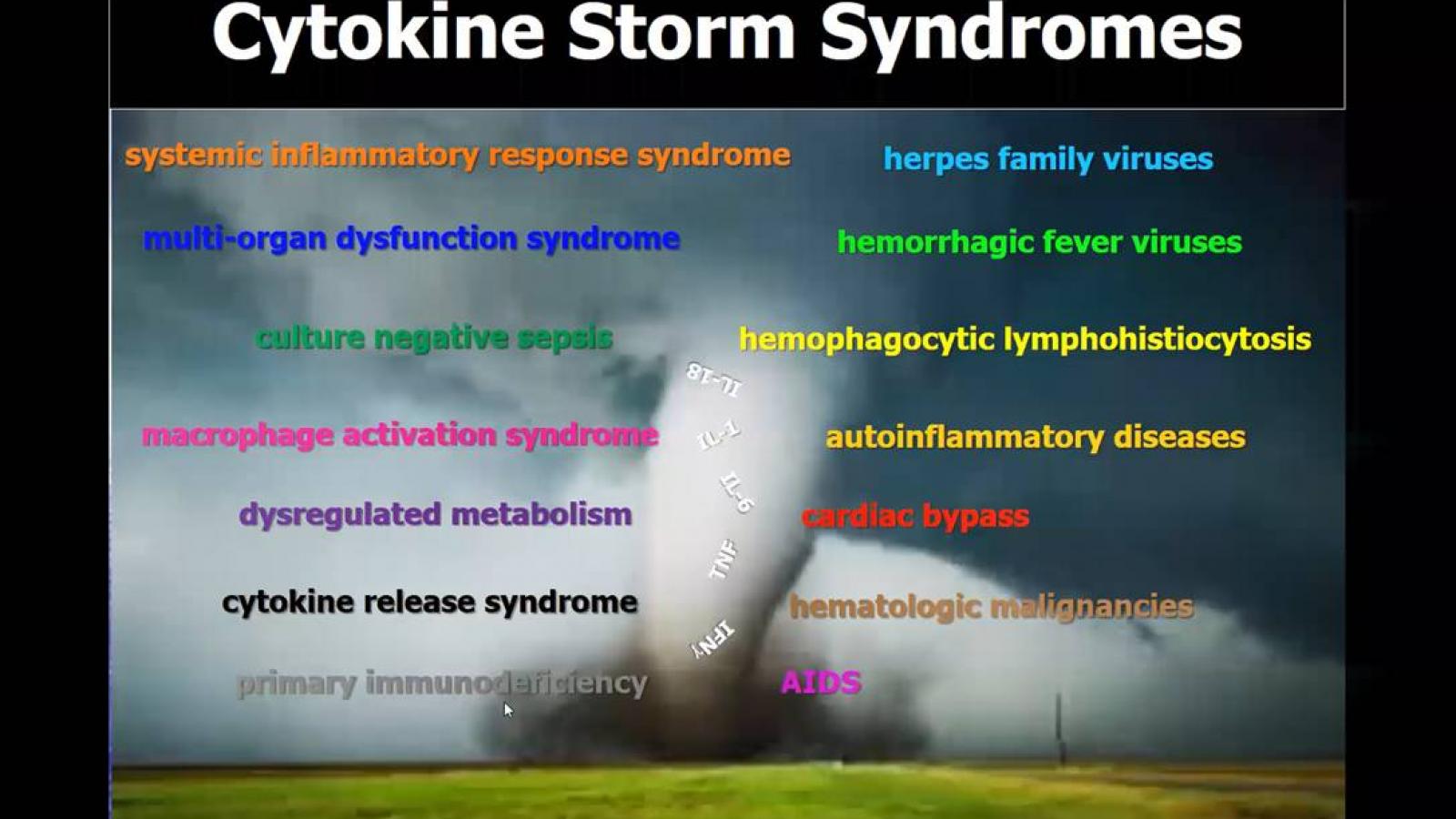
This week's Tuesday Nite Rheumatology featured Dr Randy Cron from the University of Alabama - Birmingham as he spoke and took questions on the immunology, immunopathogenesis and treatment of Cytokine Storm Syndrome, especially as they relate to COVID-19 and rheumatic disease patients. The program was moderated by Dr. Jack Cush.
Two current reports from Boston and Wuhan describe cohorts of COVID-19 (+) rheumatic disease patients who generally do well but appear to have a higher risk of pulmonary involvement.
Hydroxychloroquine (HCQ) has dominated the news in recent weeks, because of poor outcomes reported when used in COVID patients. Yet, a recent report reaffirms what rheumatologists have known for years - that HCQ use is associated with better outcomes in systemic lupus erythematosus, including survival.
A current letter in the Annals of Rheumatic Disease details the rheumatic disease patient cohort outcomes from the University of Siena, Italy showing only 2 cases of COVID-19 among 859 patients treated with tsDMARDs and bDMARDs.

Today Lancet reported the results of another retrospective trial showing that hydroxychloroquine or chloroquine, alone or with a macrolide antibioitic, offered no additional benefits to COVID-19 patients, but was associated with higher rates of mortality and arrhythmia.
Dr. Jack Cush reviews the news and journal articles from the past week on RheumNow.com.

Lancet has reported COVID outcomes from NewYork-Presbyterian hospitals in NYC during March 2020 showing high rates of hospitalization, ICU admission, mechanical ventilation and death.

