

While it is known that rheumatoid arthritis (RA) patients with interstitial lung involvement is associated with severe seropositive disease and is associated with an increased mortality. Unfortunately, there are no trials designed to address this issue and historic data fails to show that any proven therapies can deter such adverse outcomes.

Dr. Jack Cush reviews highlights from this week on RheumNow.com.
ANCA associated vasculitis (AAV) has undergone considerable study and advances in the last few years.This includes new therapes and new guidelines, including the EULAR guidelines for AAV published earlier this year and noted on RheumNow.
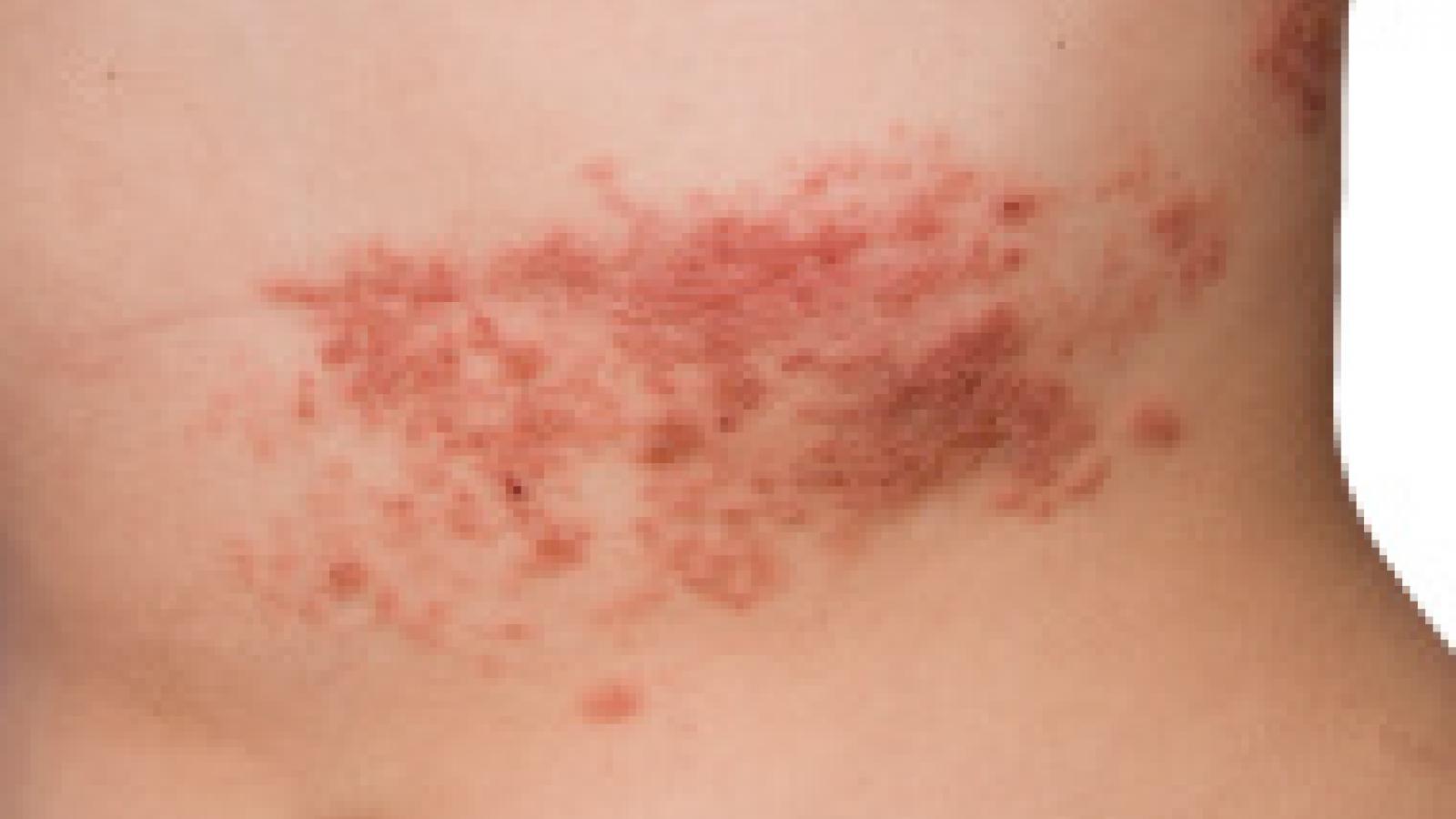
In November I reported on an abstract presented at ACR by Muratore, et al. who looked for evidence of VZV infection in temporal artery biopsies of GCA patients and found none. This was one of many abstracts exploring the possible role association of herpes zoster with GCA, a long-debated topic, and it seems that the debate continues.
Dr. Rachel T. Huston: Cardiovascular Risk in Gout
Dr. Huston reviews the ACR Year in Review presentation on cardiovascular risk in gout patients, as presented in the ACR Year in Review session at the ACR/ARHP Annual Scientific Meeting.
I’m sitting with a patient discussing moving to an advanced therapeutic (i.e., medication that costs a lot of money). I started thinking about what I would choose and given my busy lifestyle a quick injection or tablet would seem preferable to an intravenous infusion. I assume that my patients are probably like me and would make similar choices. I am a little taken aback when this patient chooses an IV medication. She tells me her rationale in

WASHINGTON -- Rheumatoid arthritis is a recognized risk factor for heart attacks and stroke, but a study comparing two leading biologics found only a non-significant increase in relative risk for patients treated with toclizimab (Actemra) vs etanercept (Enbrel), researchers reported here.
Dr. Greg Silverman - The Disconnect Between Autoimmunity and Inflammation
Dr. Greg Silveman from NYU discusses his #ACR16 Abstract #585 that examines the number of CCP specific memory B cells and if this correlated with RA disease activity (DAS28)

A study by the American College of Physicians (ACP) found that physicians continue to prescribe treatments that offer little benefit to patients, despite the advice of clinical guidelines. Overuse of antibiotics, aggressive non-palliative treatment in patients with limited life expectancy, treatment of chronic pain, and dietary supplements may be the most frequently used low value treatment interventions used by doctors.
In my last article, I said that coffee, not wine, would be the libation of choice for rheumatologists. Why coffee? you may ask. After all, the language of coffee is not dissimilar to that of wine and writers of coffee (as well as the label descriptions) use the same vocabulary and analogies as does the writing about wine. Often, from the description-with words like spice, cocoa or nuts-it is not clear whether the beverage is a Cotes-de-Rhone
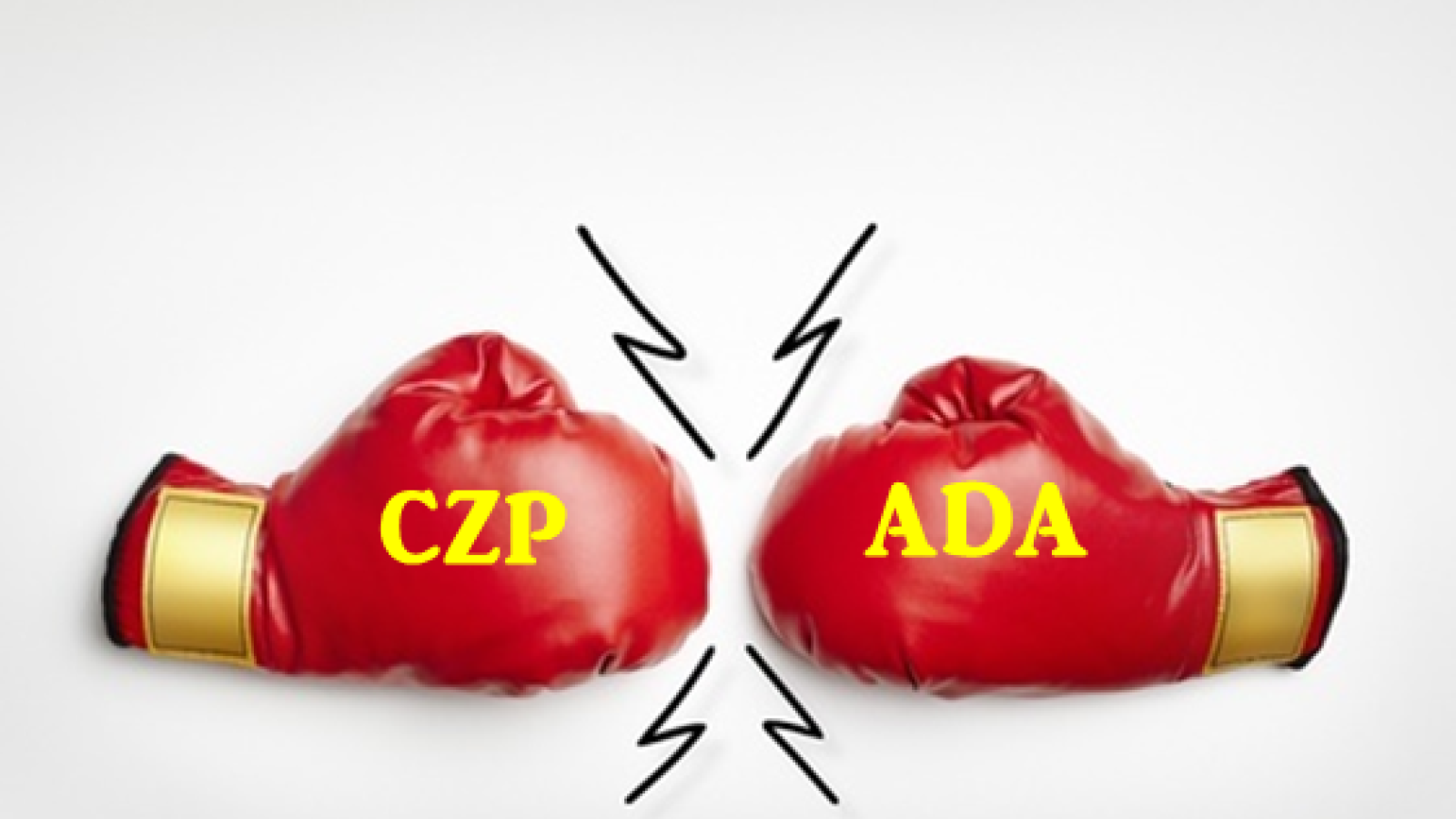
The EXXELERATE study is featured prominently in Lancet this week. In some ways, this represents a landmark negative trial that rheumatologists should review and be aware of.
Dr. Eric Ruderman: New Mechanisms of Action on Psoriatic Arthritis
Dr. Eric Ruderman talks about exciting abstracts on new mechanisms of action for the treatment of psoriatic arthritis, as presented at the 2016 ACR/ARHP Annual Meeting.
In my experience, rheumatologists are very fine people. Since they are cognitive specialists, they are scholarly, thoughtful and prudent. Furthermore, they are sensitive to the vicissitudes of human existence. Rheumatology is probably the first subspecialty to consider the impact of a chronic painful illness on the spirit and soul and emphasize quality of life as an outcome. Seeking wisdom and knowledge from great minds, rheumatologists are also

Tofacitinib may well be joined by a new once daily JAK inhibitor, baricitinib in the next few months.

