

In March 2016, RheumNow published 82 social media “tweets” regarding news, research and teaching points that impact the rheumatology community. These feeds had a reach (impressions) of 86,400 with, 76 mentions, and over 2700 visits to learn on RheumNow.com. The average daily “tweet” from RheumNow is seen by 3000-8,000, with as many as 89,500 viewers from a single tweet.
Dr. George Martin: new drugs for psoriasis, atopic dermatitis
Dr. George Martin, a dermatologist in private practice, summarizes what's new in dermatology for rheumatologists at the 2016 Rheumatology Winter Clinical Symposium.

Dr. Jack Cush reviews the rheumatology highlights from the news, media, and journals from this past week:

Previous research has suggested a potential role for gut dysbiosis and alterations Th17 and regulatory T (Treg), along with IL-17, IL-22, and IL-23, in the pathogenesis of SLE.
Lopez and colleagues from Spain have studied the gut microbiome of lupus patients and reported that lupus microbiota promoted lymphocyte activation and Th17 differentiation from naïve CD4+ lymphocytes moreso than

The GAUSS-3 trial, recently published in JAMA, examined cholesterol-lowering interventions in patients with a high LDL (>120 mg/dl) and a history of statin intolerance to 2 or more statins.
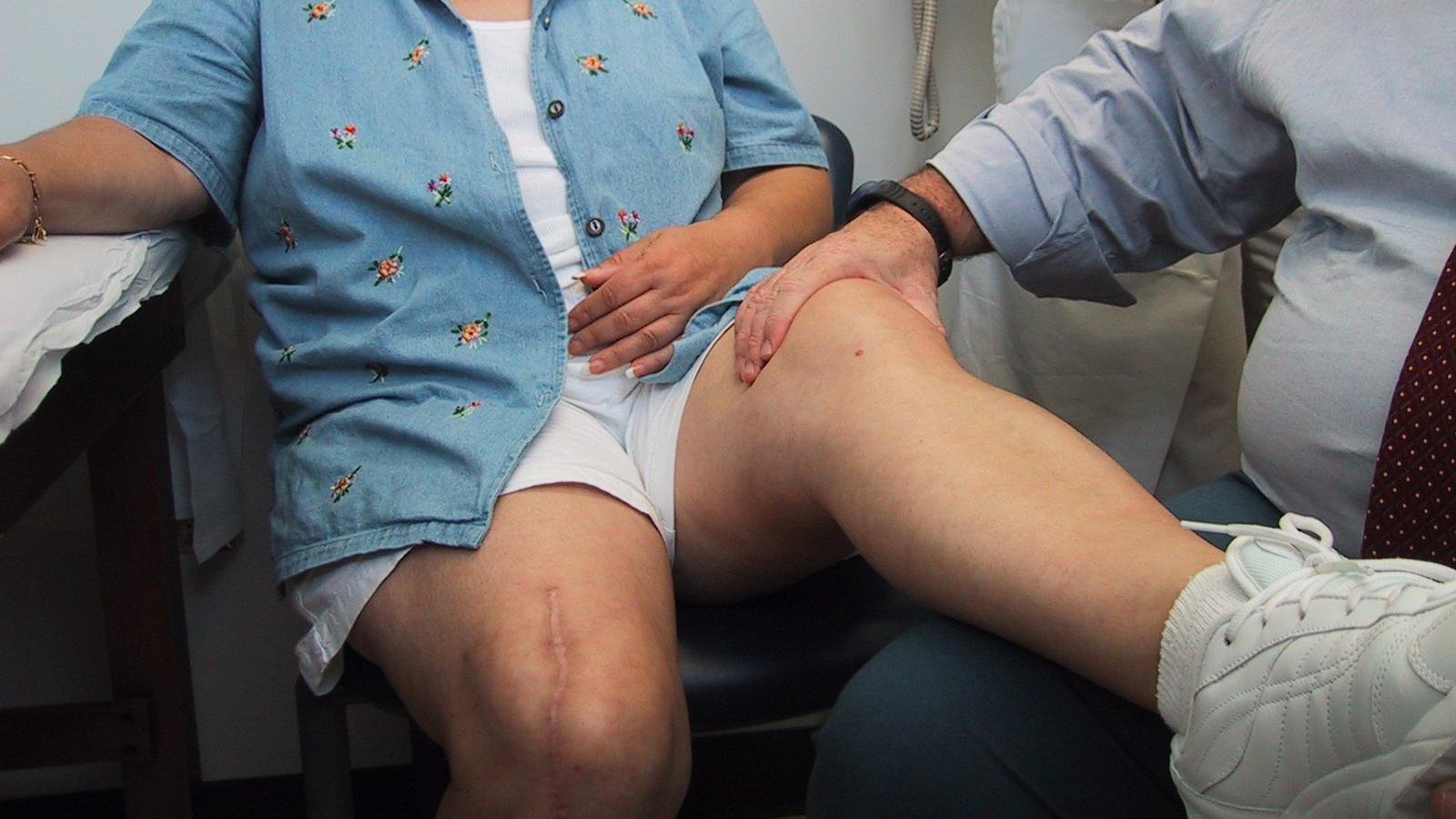
At the 2016 World Congress on Osteoarthritis (OARSI) meeting last week, first line results of a novel intraarticular inhibitor of the Wnt pathway (SM04690) in knee osteoarthritis were presented.

It is estimated that 21% of laboratory tests are requested inappropriately. Researchers have explored the impact of educational programs for rheumatologists working at three rheumatology departments in secondary and tertiary care centers in The Netherlands.

Pfizer has issued a press release of its preliminary results from the OPAL study that examined the efficacy and safety of tofacitinib 5 mg and 10 mg twice daily (BID) in adults active psoriatic arthritis (PsA).
422 PsA patients, on background DMARD therapy, were randomized to receive tofacitinib (5 mg or 10 mg BID), adalimumab 40 mg q2 wk (active control) or placebo in a phase III trial.

On February 9th, the Food and Drug Administration (FDA) Arthritis Advisory Committee voted 21-3 in favor of approving the infliximab biosimilar, CT-P13/Inflectra, for use in all of infliximab's indications.
Researchers at Brigham and Women's Hospital, Boston evaluated the efficacy and safety of the anti-inflammatory drug losmapimod on cardiovascular outcomes given to patients with a history of myocardial infarction and CV risk factors.
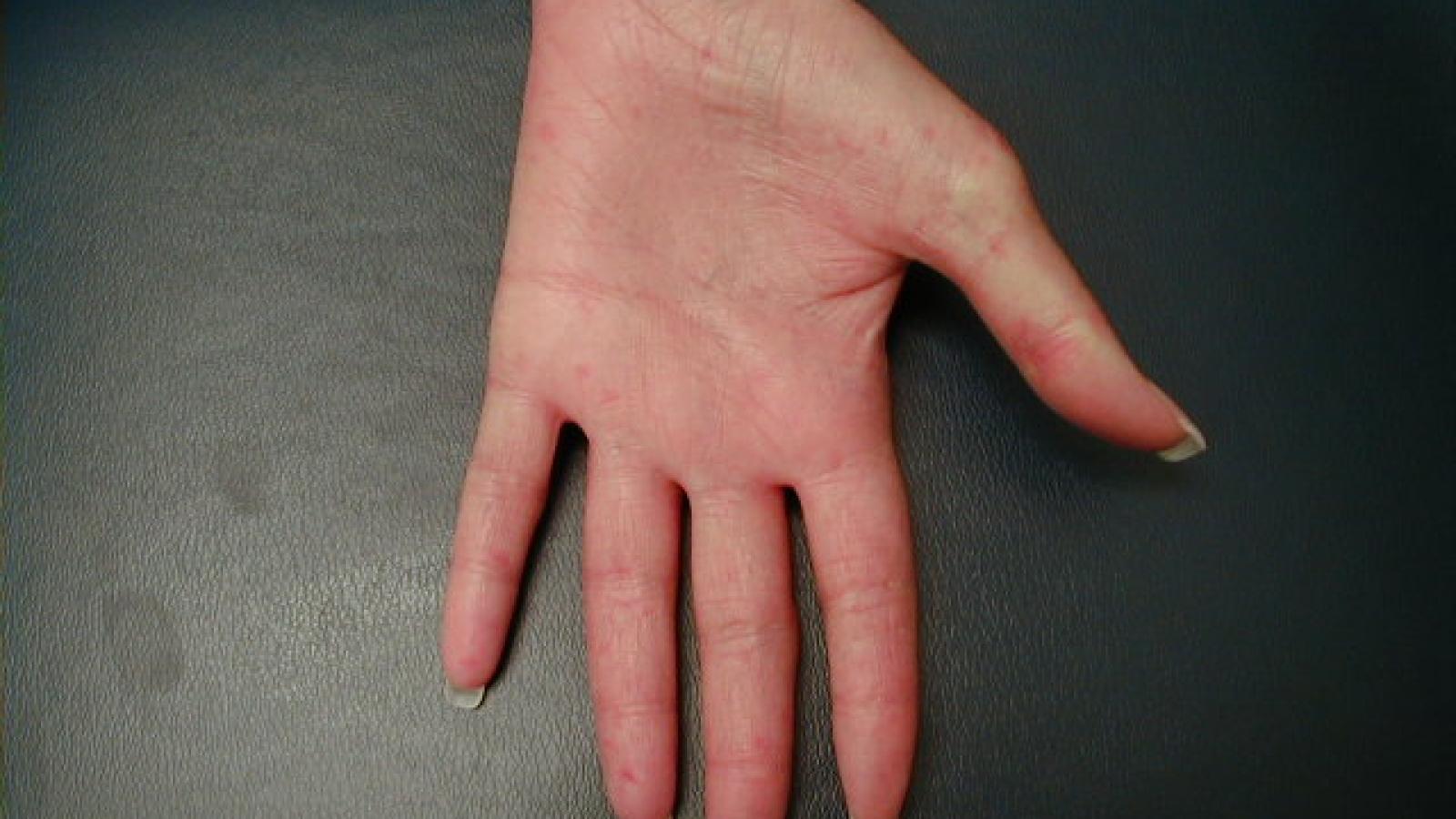
Systemic sclerosis is one of the most challenging of rheumatic diseases, often complicated by significant morbidity and leads to irreversible disability in many cases. While new treatments aimed to target major organ damage develop, little success has been achieved in management of skin changes of diffuse cutaneous systemic sclerosis (dcSSc).

The American College of Cardiology has released its expert consensus guidance regarding the use of non-statin therapies to lower cholesterol in high-risk patients.
In 2013, ACC/American Heart Association published a Guideline on the Treatment of Blood Cholesterol to Reduce Atherosclerotic Cardiovascular Risk in Adults. This is an addendum to the treatments (non-statin) not covered in that guideline.
Despite regular attendance at medical meetings and despite fulfilling regulatory requirements for our specialty, I’m not sure how much I learn that changes the way I practice medicine. So I recently persuaded a colleague to come and coach me, inviting him to observe me for a morning in clinic. This was the first time I had been observed in this way since I was a medical student. A little daunting, but after a while I largely forgot he was there
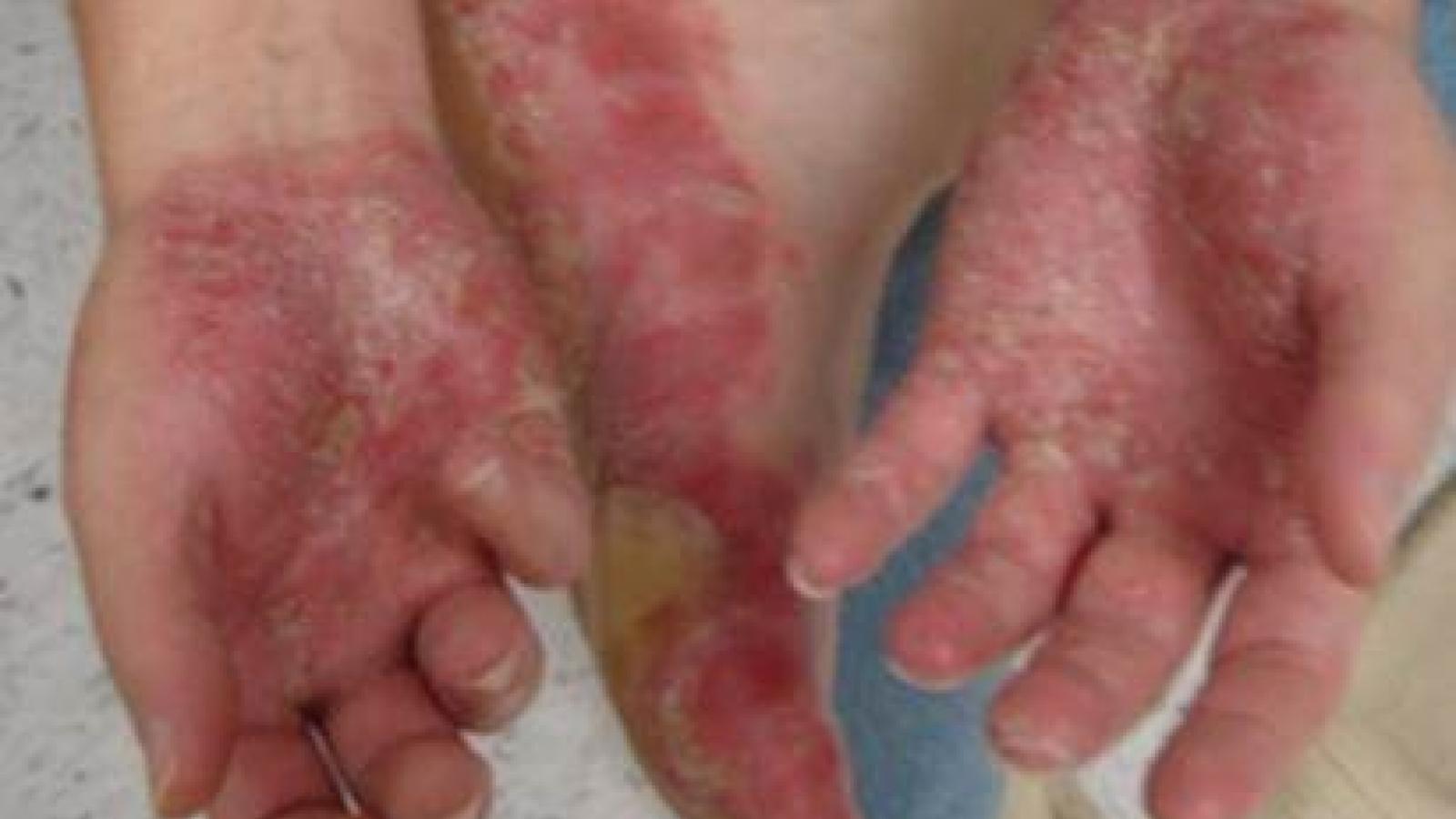
There have been several reports of psoriasis being linked to chronic renal disease in the literature. Another population-based study has also found a link between severe psoriasis and kidney disease.
A report from the annual meeting of the American Academy of Dermatology has found an almost fivefold increase in the risk of immunoglobulin A nephropathy (IgAN) and a doubling in the risk of glomerular disease.

