

Control of pain in patients with rheumatoid arthritis (RA) often focuses on control of inflammation as a means to better control pain. However, a new claims data study shows that while anti-tumor necrosis factor inhibitor (TNFi) may lower the use of opioids, the reduction is nominal, suggesting that a substantial amount of pain is not adequately addressed by TNFi - a potent anti-inflammatory approach.

A prospective study of birth outcomes to mothers exposed to adalimumab (ADA) between 2004 and 2016 was conducted by Organization of Teratology Information Specialists (OTIS) Research Center at the University of California San Diego, and showed that ADA exposure was not associated with an increased risk for any of the adverse outcomes examined.

A systematic review of the literature shows that, compared to placebo, the use of non-TNF, interleukin inhibitor biologics may be associated with significantly higher rates of serious infections, opportunistic infections, and cancer.

Patients with rheumatoid arthritis (RA) have a large comorbidity burden at the time of diagnosis, including a wide range of ailments but with pulmonary disease a particular concern, a U.K. population-based study found.

Dr. Jack Cush reviews the news and journal articles from the past week on RheumNow.com.
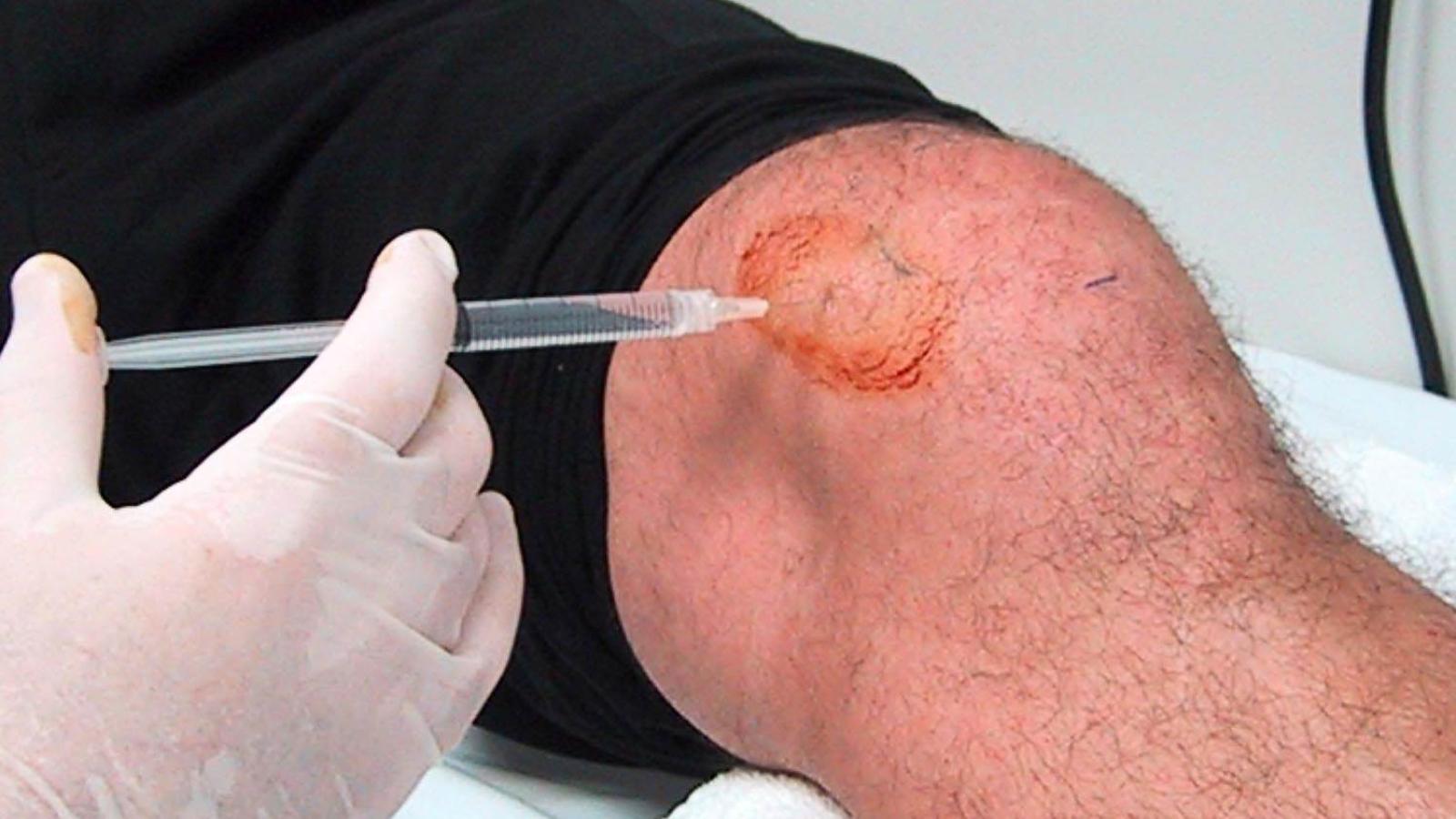
Intra-articular injections of corticosteroids for relief of the pain of hip or knee osteoarthritis (OA) may have adverse long-term consequences, researchers suggested.

A large cohort study suggests that the use of vasodilators and aspirin (ASA) in systemic sclerosis (SSc) may yield favorable cardiovascular outcomes.

It is unknown if inhibiting cholesterol synthesis (with statins) might influence sex-hormone production and therefore, the risk of osteoporosis. A new study shows that, in statin-treated individuals, the development of osteoporosis is statin dose-dependent.

Comorbidities are common in patients with axial spondyloarthropathy (axSpA), and a recent study has shown that multimorbidity, the coexistence of 2 or more conditions, is associated with more severe disease than those without comorbidities.

Among patients with systemic rheumatic diseases, the highest incidence of opportunistic infections was seen in those with polymyositis/dermatomyositis (PM/DM), Taiwanese researchers found.

Dannish study has shown that one-third of psoriatic arthritis (PsA) will have joint surgery that that PsA patients have twice the rate of joint surgery when compared with the general population.
The Danish National Patient Registry was used in this cohort study of incident PsA patients and their future risk of joint surgery compared to a general population cohort (GPC) between 1995-2012).

A 3 year, multicenter, European, study shows that rivaroxaban was inferior to warfarin in preventing thrombosis in patients with antiphospholipid syndrome (APS) according to the Annals of Internal Medicine. Thus despite the inconvenience of warfarin, it remains the best option for patients with APS.

A prospective analysis of newly diagnosed, inflammatory arthritis (IA) patients suggests that perceived distress (stress) increases the odds of incident IA.

A study of 527 patients receiving daily hydroxychloroquine (HCQ) concluded that hydroxychloroquine blood levels may predict future HCQ retinopathy.This study assessed whether lower HCQ dosing, as recommended by the 2016 American Academy of Ophthalmology (AAO) guidelines (less than 5 mg/kg), would favorably affect retinopathy outcomes.

Highlights from Tuesday and Wednesday (days 3 and 4) from the ACR annual meeting include: the important and impactful abstracts covered by the Rheumatology Roundup session; upadacitinib clinical trials; and the baricitinib CV and VTE safety analysis.

