
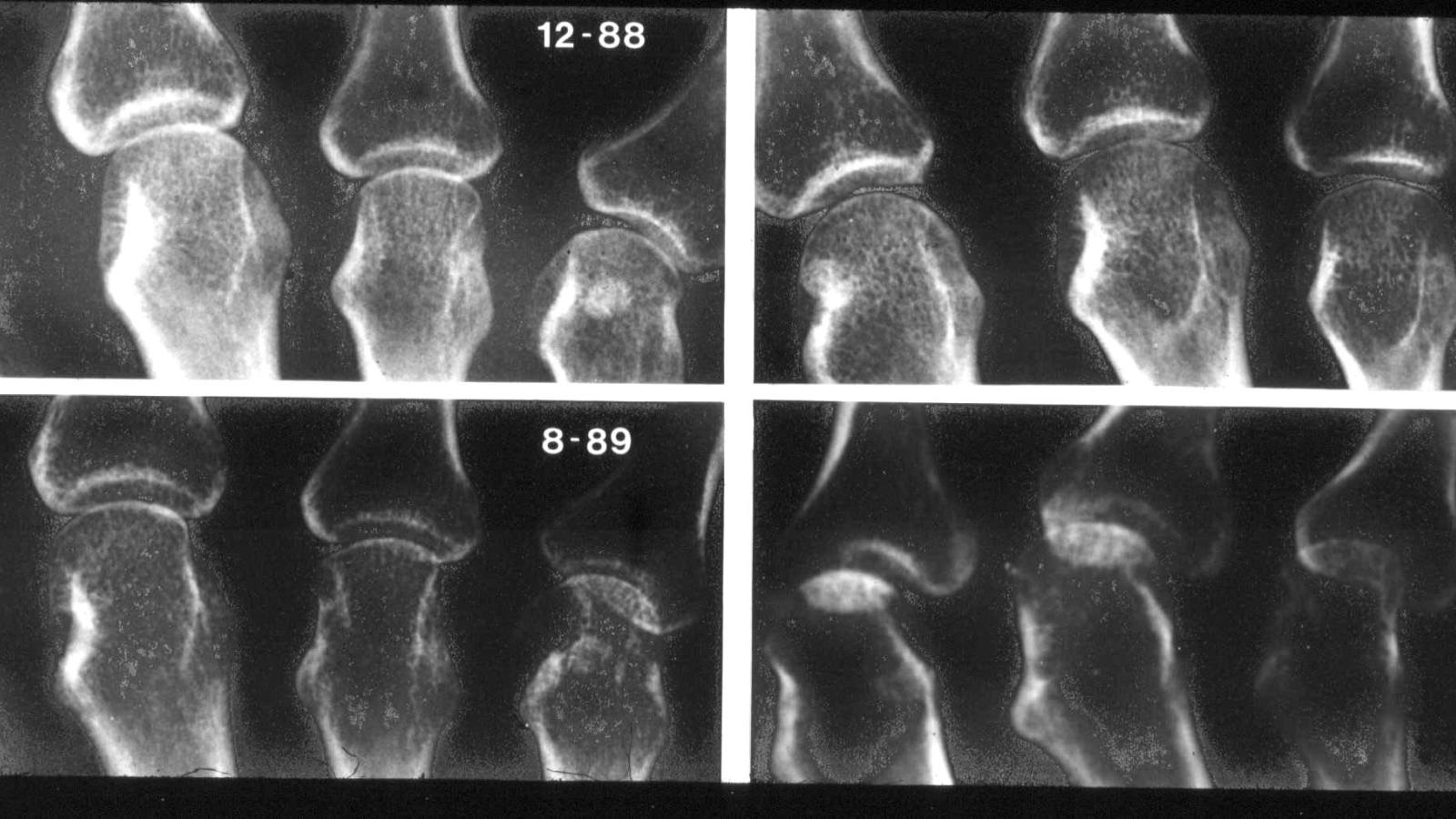
Combining denosumab (Prolia) with a conventional disease-modifying antirheumatic drug (DMARD) such as methotrexate showed promise for slowing radiographic damage in rheumatoid arthritis (RA), a manufacturer-sponsored phase III trial called DESIRABLE found.
MMWR reports that in 2017, one in four US adults have arthritis (range from 22.8% to 34.6%), with higher rates in Appalachia and Lower Mississippi Valley regions. Of those with arthritis, 31% reported to have "severe arthritis".

Dr. Jack Cush reviews the latest journal articles and rheumatology news from the past week on RheumNow.com:

A comparative cohort study of patients with osteoarthritis (OA), gout, diabetic peripheral neuropathy (pDPN), post-herpetic neuralgia (PHN), and fibromyalgia (FM) shows that nonadherence to pain medications is high and leads to greater overall health care resource utilization and costs.

Studies from a cohort of gout patients in Mexico shows that long-term goals of a target serum urate (sUA) 6 mg/dL and remission are rare, especially for those with severe gout.

Boston researchers have shown that consumption of fish rich in omega‐3 polyunsaturated fatty acids (n‐3 PUFA) leads to a lower risk of recurrent gout flares.

The Food and Drug Administration (FDA) added a Boxed Warning to several sleep medications (e.g., eszopiclone, zaleplon, and zolpidem), warning rare but serious injuries may occur as a result of abnormal sleep behaviors (sleepwalking, sleep driving, and engaging in other activities while not fully awake) when taking sleep medications. These complex sleep behaviors have also resulted in deaths.
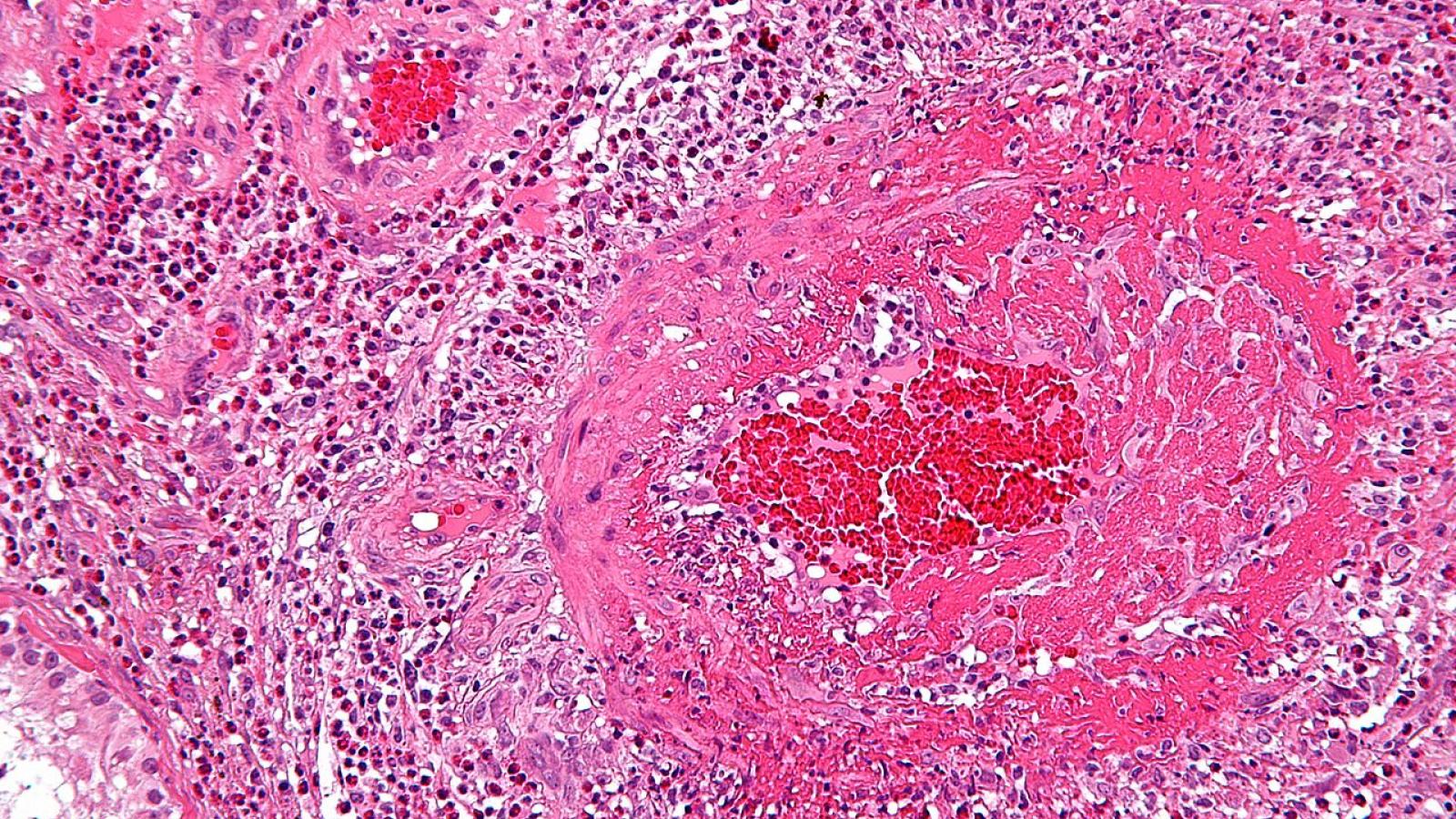
A national database reveals that patients with granulomatosis with polyangiitis (GPA) have 22.3% risk of hospital readmissions within 30 days of discharge.
From a total of 9749 hospital admissions with GPA, there were 2173 readmissions within 30 days of discharge.
The top 5 reasons for readmissions were:
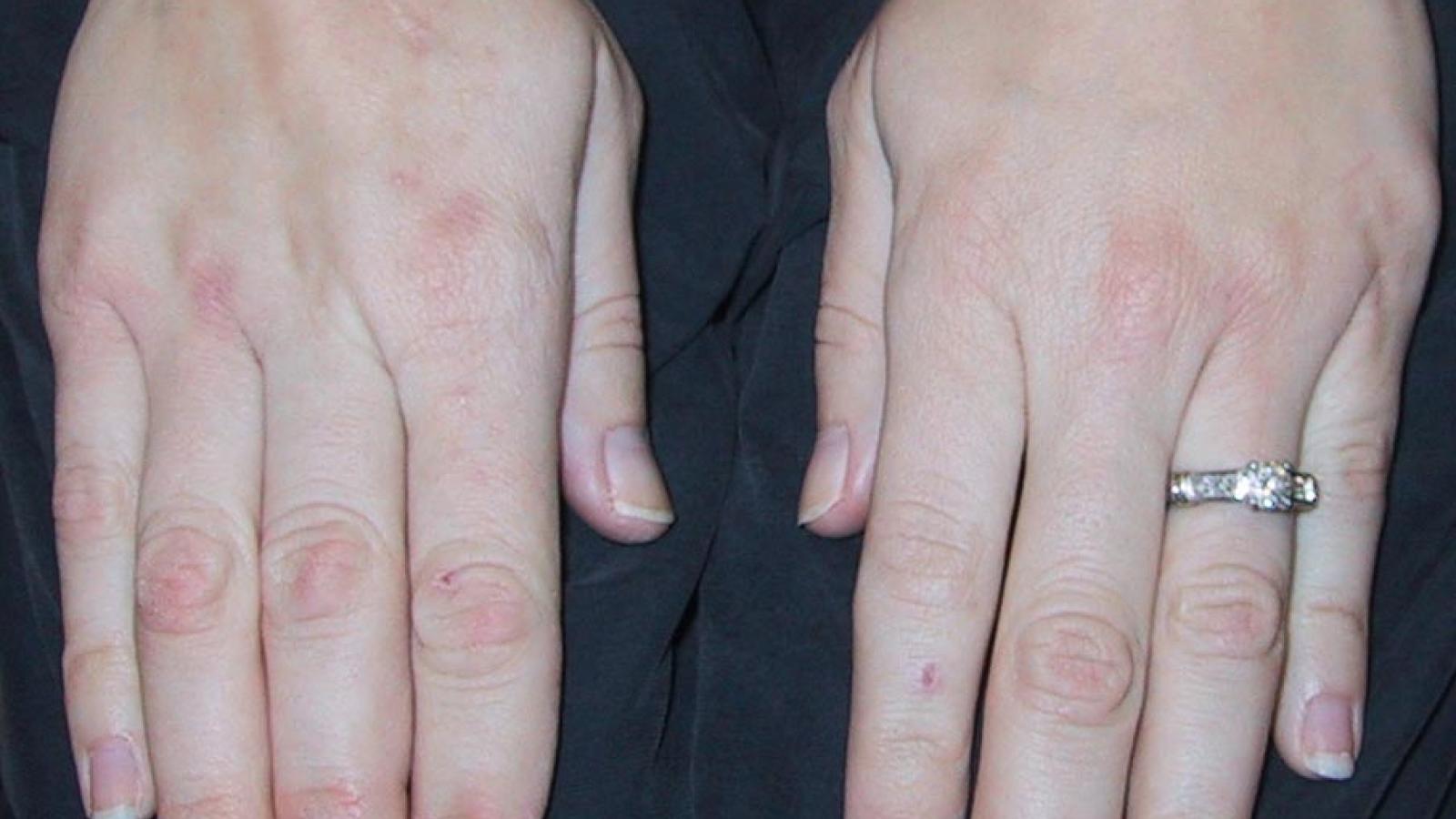
The American College of Rheumatology (ACR) and the Arthritis Foundation (AF) have released two guidelines on management of juvenile idiopathic arthritis (JIA). The first addresses the treatement of non-systemic polyarthritis, sacroilitis and enthesitis; and the second focuses on JIA associated uveitis - screening, monitoring and treatment.
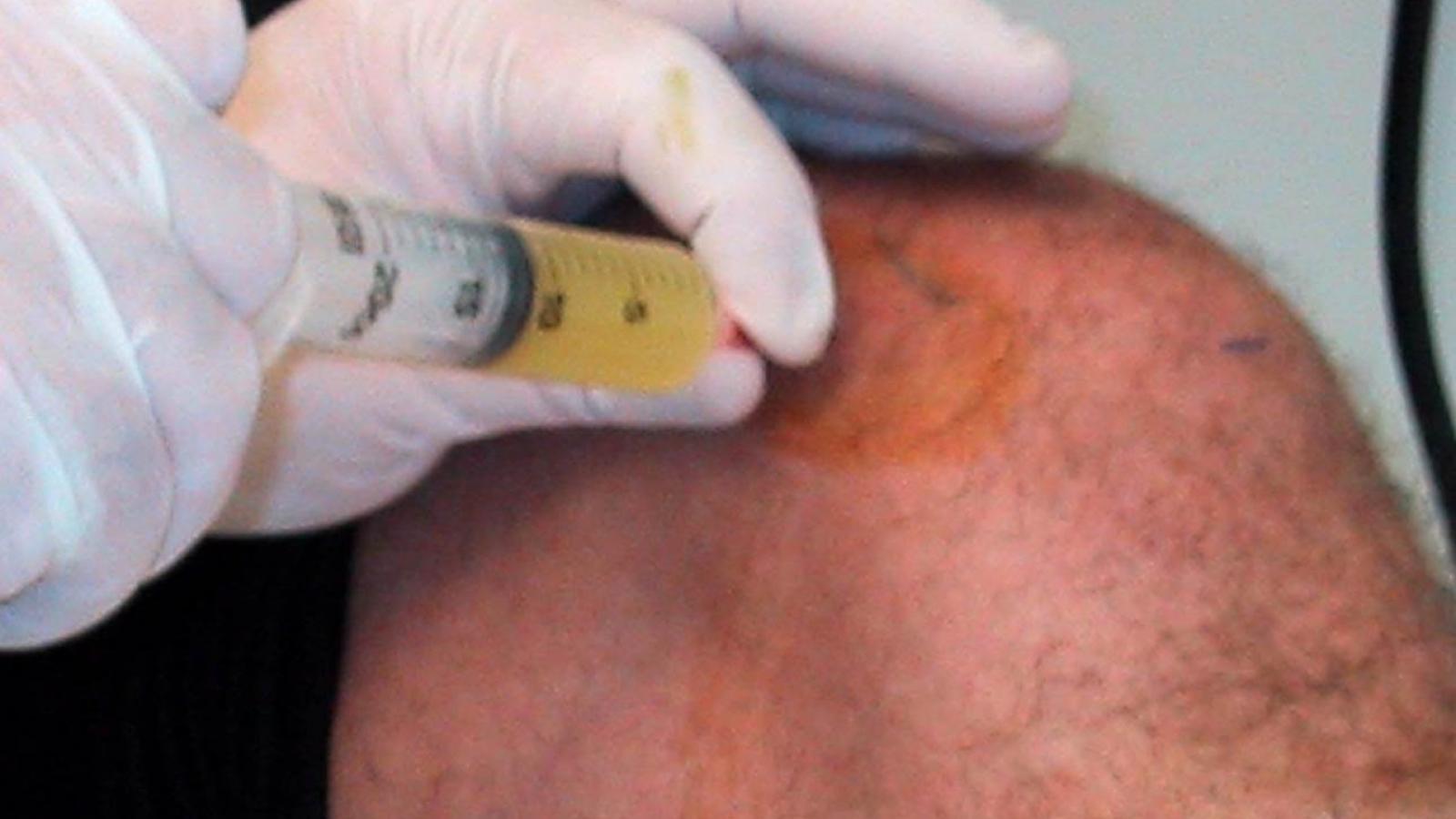
Two weeks of antibiotic therapy was as effective as 4 weeks for septic arthritis, a prospective single-center study found.Among 77 patients randomized to a 4-week course of therapy following surgical drainage for native joint bacterial arthritis, the rate of complete microbiological remission after at least 2 months of follow-up was 97%, according to Ilker Uçkay, MD, of Uniklinik Balgrist in Zurich, Switzerland, and colleagues.
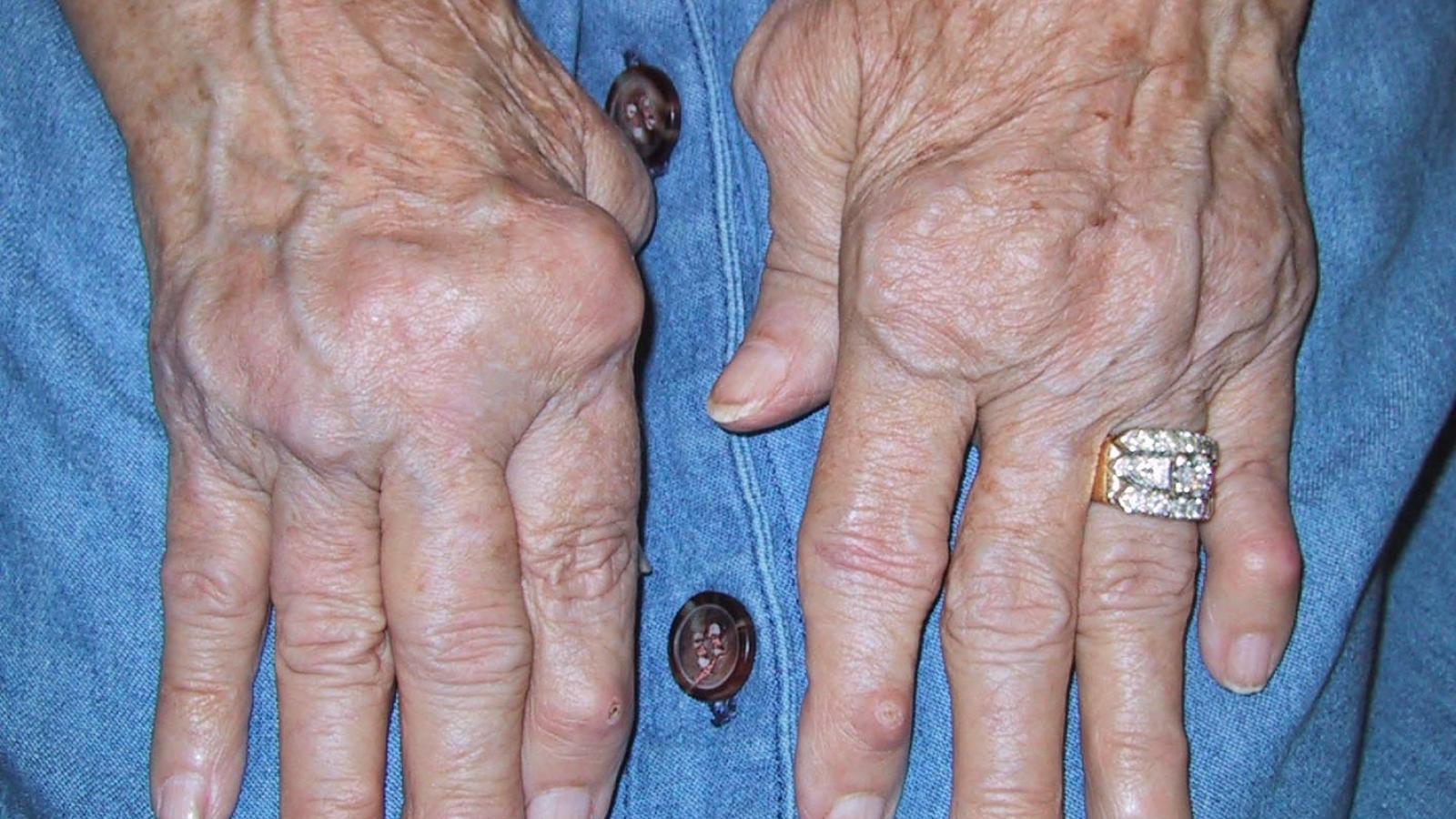
Namilumab, a monoclonal antibody that targets the granulocyte-macrophage colony-stimulating factor (GM-CSF) ligand, showed promise as a treatment for rheumatoid arthritis (RA) in a phase II study.
Dr. Jack Cush reviews the news and journal articles from the past week on RheumNow.com

A randomized controlled trial shows that chronic low-dose naproxen does not reduce progression of presymptomatic Alzheimer disease (AD).
The INTREPAD trial was a 2-year double-masked prevention trial, that enrolled 195 AD who were randomized 1:1 to naproxen sodium 220 mg twice daily or placebo. The primary outcome was rate of change in a multimodal composite presymptomatic Alzheimer Progression Score (APS).
The Annals of Internal Medicine reports a metanalysis done to examine the optimal length of long-term osteoporosis drug treatment (ODT) and whether harms are associated with long-term ODT and while the ODT benefits are clear, the risk of rare harms and need for drug holidays is less certain.
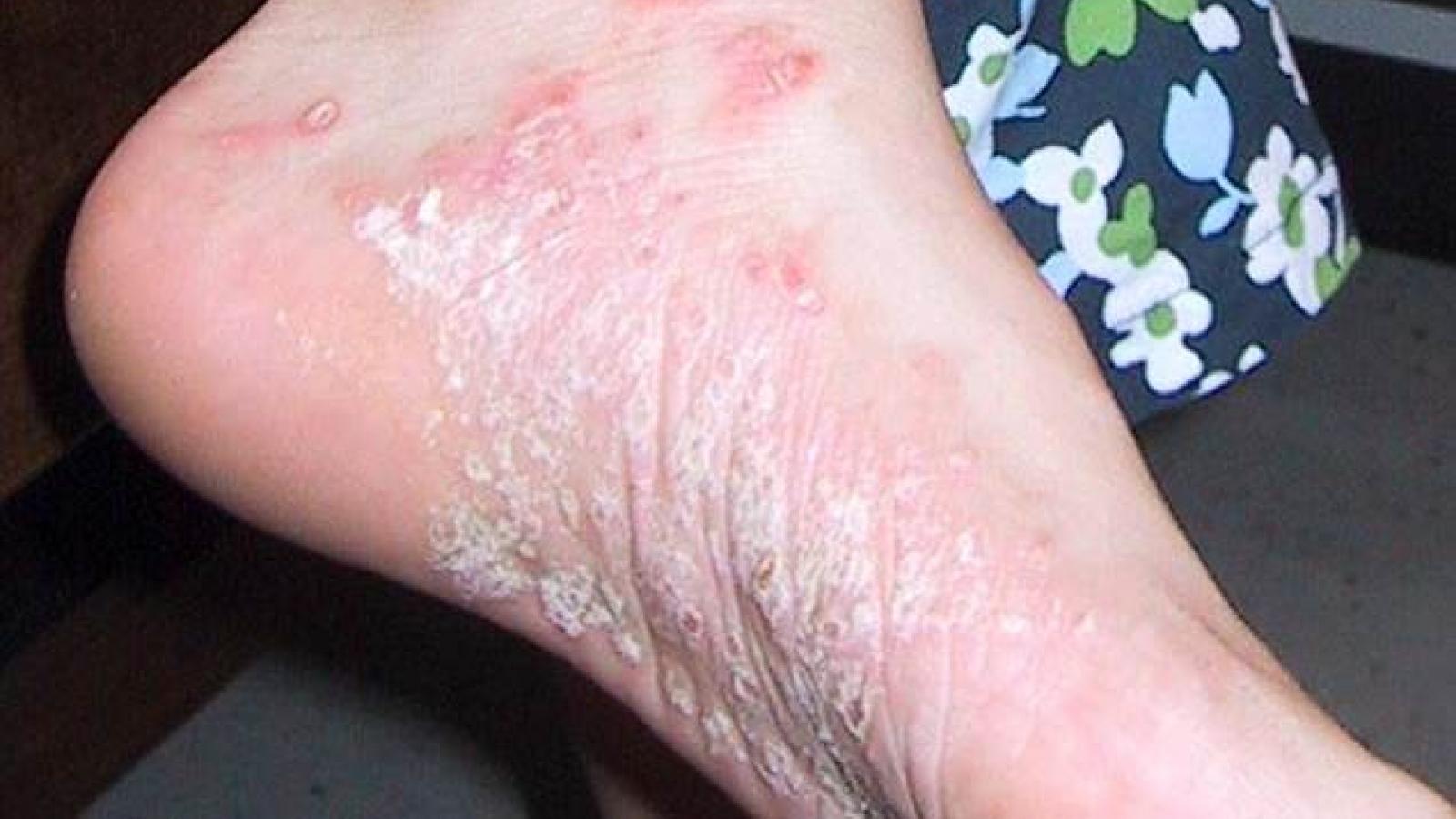
AbbVie has announced that the US FDA has granted the approval of Skyrizi (risankizumab-rzaa) for the treatment of moderate to severe plaque psoriasis.
Skyrizi is an interleukin-23 (IL-23) inhibitor that was also recently approved in Canada and Japan. Skyrizi is the third IL-23 inhibitor (behind guselkumab [Tremfya] and tildrakizumab [Ilumya]) to be approved in the last year.

