
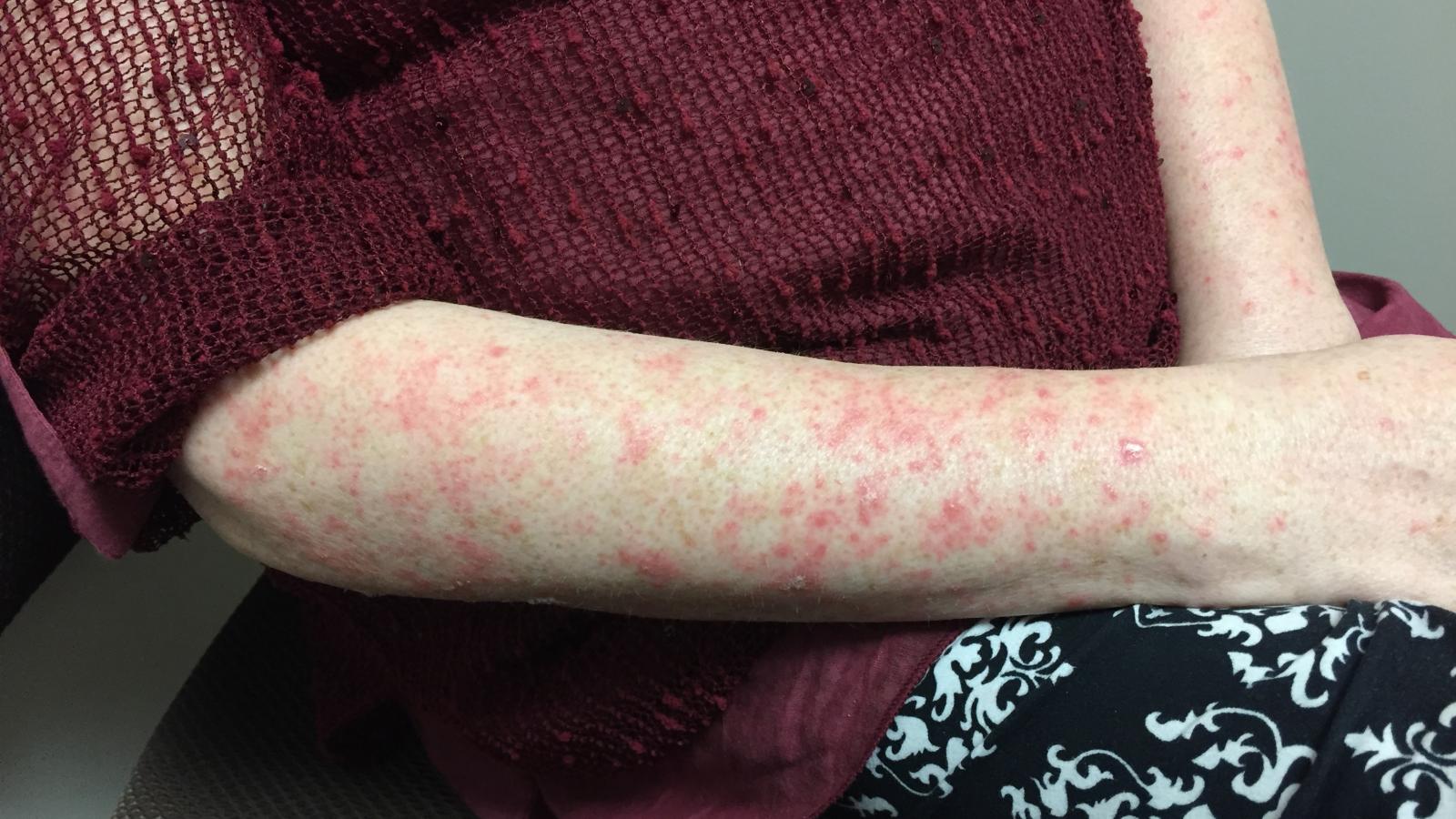
Patients with moderate-to-severe plaque psoriasis attained durable complete and near-complete responses for more than a year with a dual inhibitor of interleukin (IL)-17, data from a randomized trial showed.

Say a conference in your field was just announced. You think you "should" go, and you know you'll be choosing from many presentation opportunities that feature the latest research — which you want to know about. And you'll get to hang with like minds and talk about things that matter.
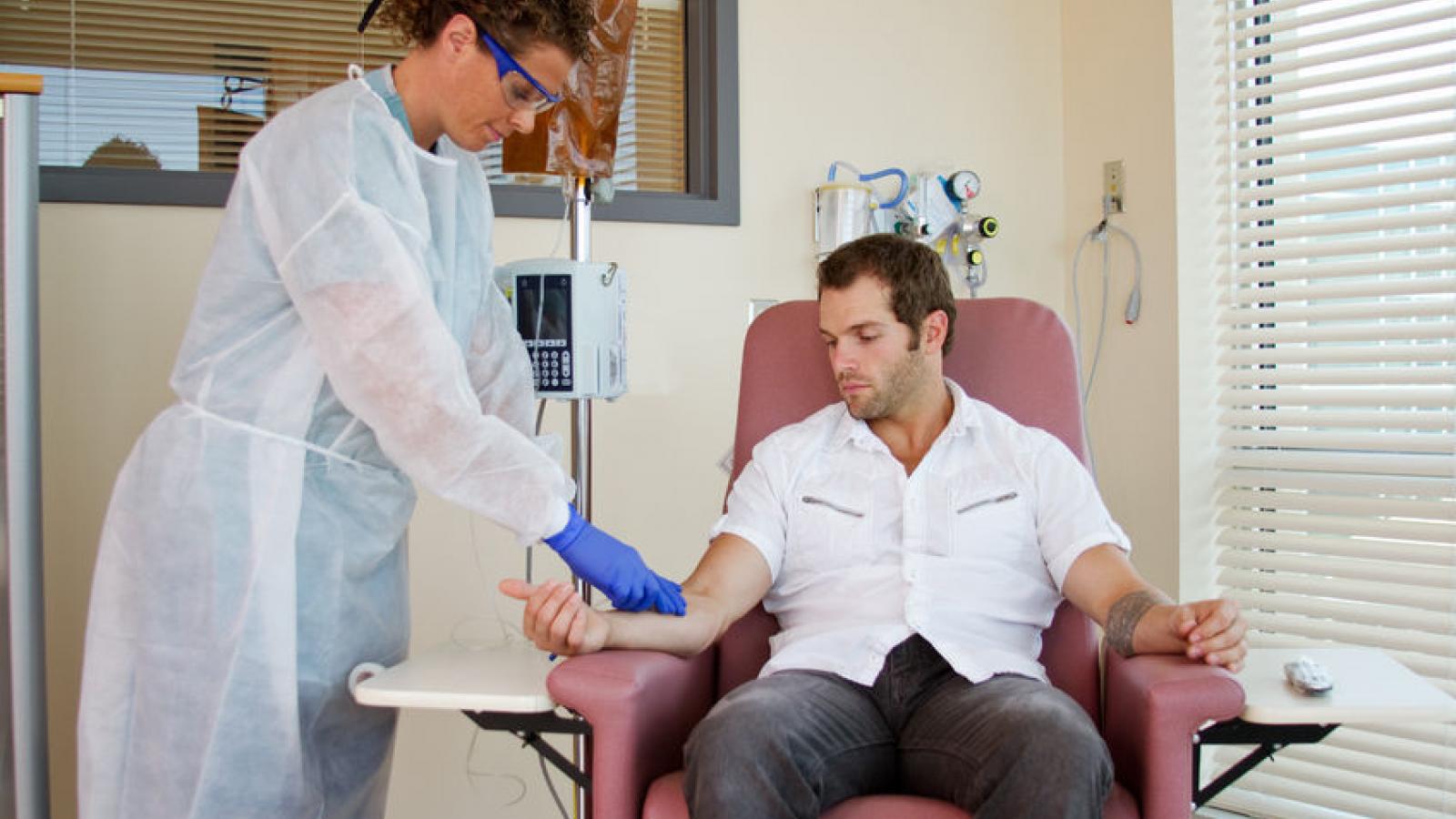
Menter and colleagues from the American Academy of Dermatology (AAD) and National Psoriasis Foundation (NPF) have published their expert consensus guidelines for the use of biologics in psoriasis.

The JAAD has published joint guidelines from the American Academy of Dermatology (AAD) and National Psoriasis Foundation (NPF) on the approach, management and dermatolgist roles for select comorbid conditions.

Dr. Jack Cush Reviews the news and journal articles from the past week on RheumNow.com

A small, double-blind, randomised, placebo-controlled trial in early psoriatic arthritis (PsA) has shown that first-line use of golimumab and methotrexate (MTX) is superior to MTX alone in inducing remission in PsA.

A Canadian study has shown that elderly diabetics who take allopurinol have a significant reduction in cardiovascular outcomes.
Hyperuricemia has been shown to be a biomarker for cardiovascular outcomes in multiple disorders. These investigators studied the effect of allopurinol and mortality on CV outcomes in a population-based retrospective cohort study from Ontario, Canada.

Reuters reported that today, the US Senate Finance Committee met to question the executives from seven US pharmaceutical companies on the rising price drugs in America.

Individuals who quit smoking and maintained their nonsmoking status over a long duration of time had a decreased risk of developing seropositive rheumatoid arthritis (RA), an analysis of two large prospective cohorts found.
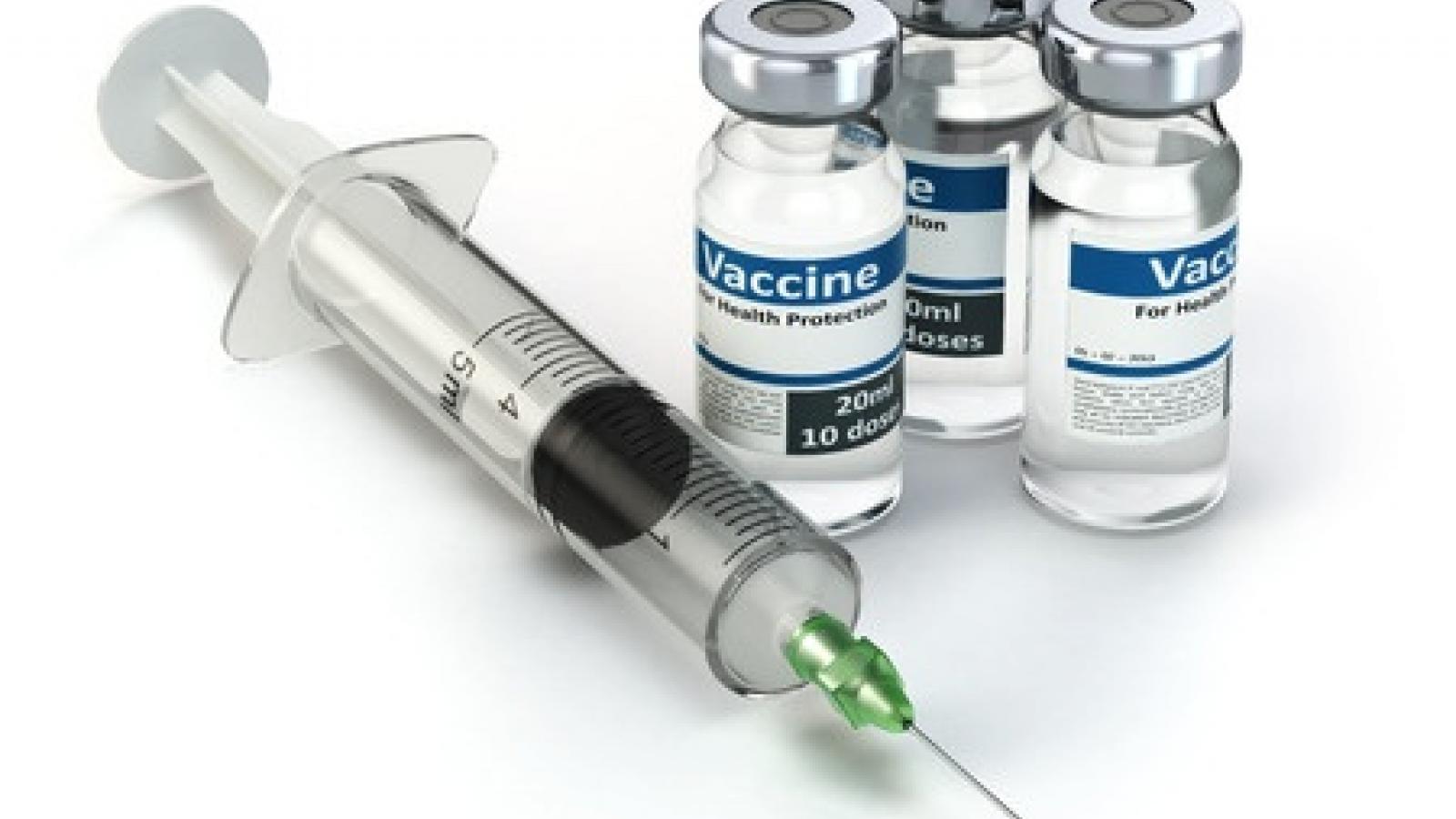
A multidisciplinary Canadian task force has developed guidelines for vaccination in patients receiving immunosuppressive therapies, based on the evidence that immunosuppressive use in immune-mediated disease may be associated with an elevated risk of infections.

The U.S. Food and Drug Administration (FDA) has reviewed data from the Cardiovascular Safety of Febuxostat and Allopurinol in Patients with Gout and Cardiovascular Morbidities (CARES) trial and concluded there is an increased risk of death with Uloric (febuxostat) compared with allopurinol, and has added this as a boxed warning to the drug’s product label.

A study from Turkey shows that among 2117 patients treated with a TNF inhibitor (TNFi) the risk of developing TB was 6 fold higher in those treated with a TNFi compared to non-users.
This retrospective cohort study included patients with rheumatoid arthritis (RA), ankylosing spondylitis, juvenile idiopathic arthritis or psoriatic arthritis (PsA) that treated with or without TNFI. The calculated the 2-year RR of TB after TNFi.
Dr. Jack Cush reviews the news and journal reports from the past week on RheumNow.com:
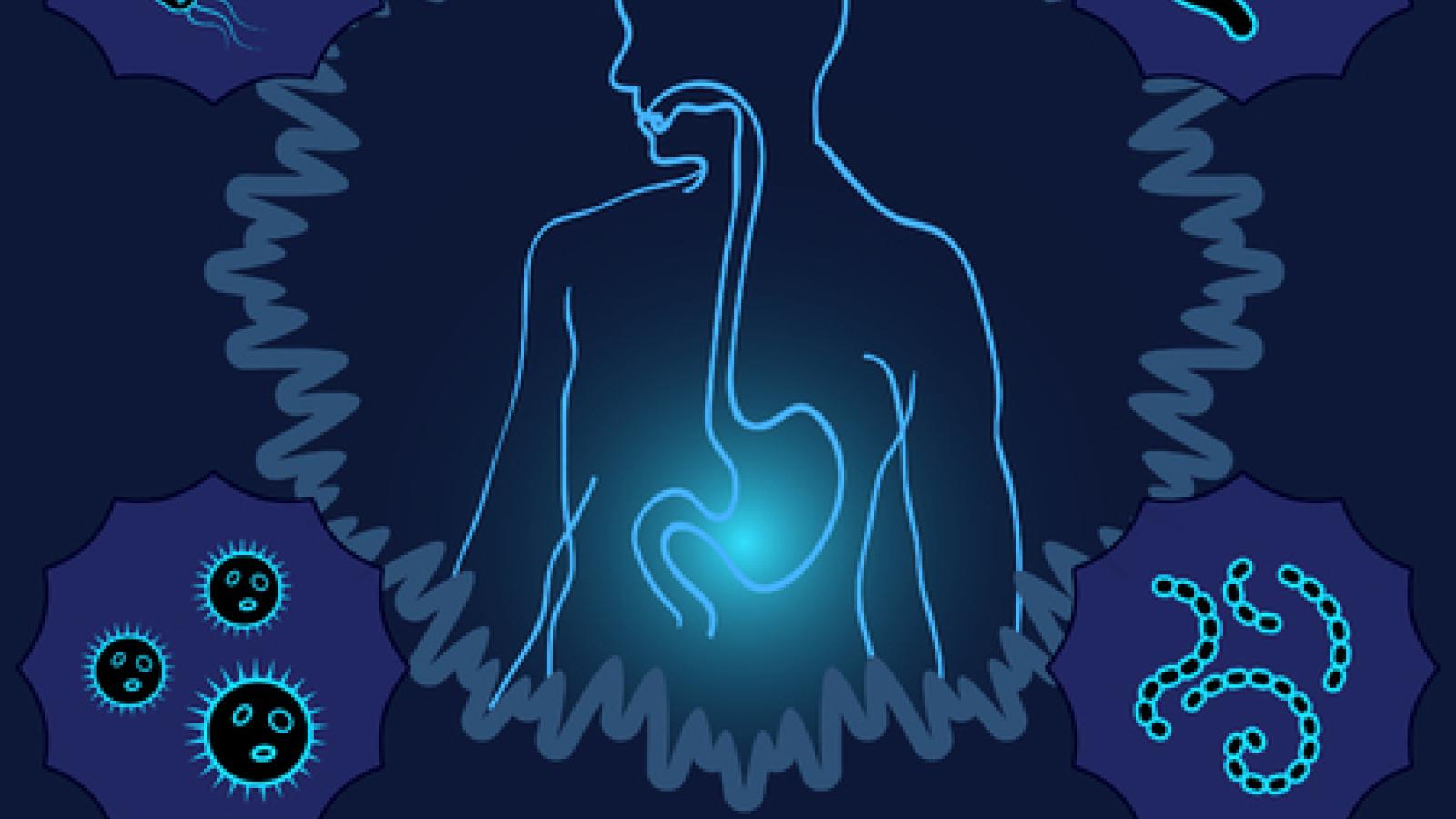
Silverman and colleagues have published their study of the fecal microbiome of systemic lupus erythematosus (SLE) patients and found roughly five times more gut bacteria known as Ruminococcus gnavus, and that these abnormalities in microbiota can correlate with measures of disease severity in SLE.

The drug retention rate of interleukin-1 inhibitors (IL-1) used to treat systemic juvenile idiopathic arthritis (JIA) appears to be quite high according to a new study.

