
As Dr. John Stone, MD, MPH recounted in his presentation regarding the new ACR/EULAR Classification Criteria for IgG4-Related Disease (IgG4-RD), only 15 years prior, IgG4-related disease was an unknown entity in the medical community.
JAMA has published a large Canadian claims-based study showing that nonsteroidal anti-inflammatory drug (NSAID) use in patients with hypertension, heart failure, or chronic kidney disease was not associated with a significant safety risk - but this only looked at short-term outcomes (7-37 days of exposure).

Amidst a new DEA report demonstrating a record number of opioid overdose deaths (n-72,000 or ~ 200 deaths per day), the FDA has approved a newer and far more potent opioid than those that are currently being abused at alarming rates. The new agent is named Dsuvia.

The monoclonal antibody tanezumab, which blocks nerve growth factor, showed significant benefits in pain and function among patients with osteoarthritis (OA) of the knee or hip, and rates of severe adverse joint events such as rapidly progressive OA that had plagued earlier studies were low, a researcher reported at the annual meeting of the American College of Rheumatology in Chicago last week.
Dr Jack Cush reviews the news and journal reports from the past week on RheumNow.com.
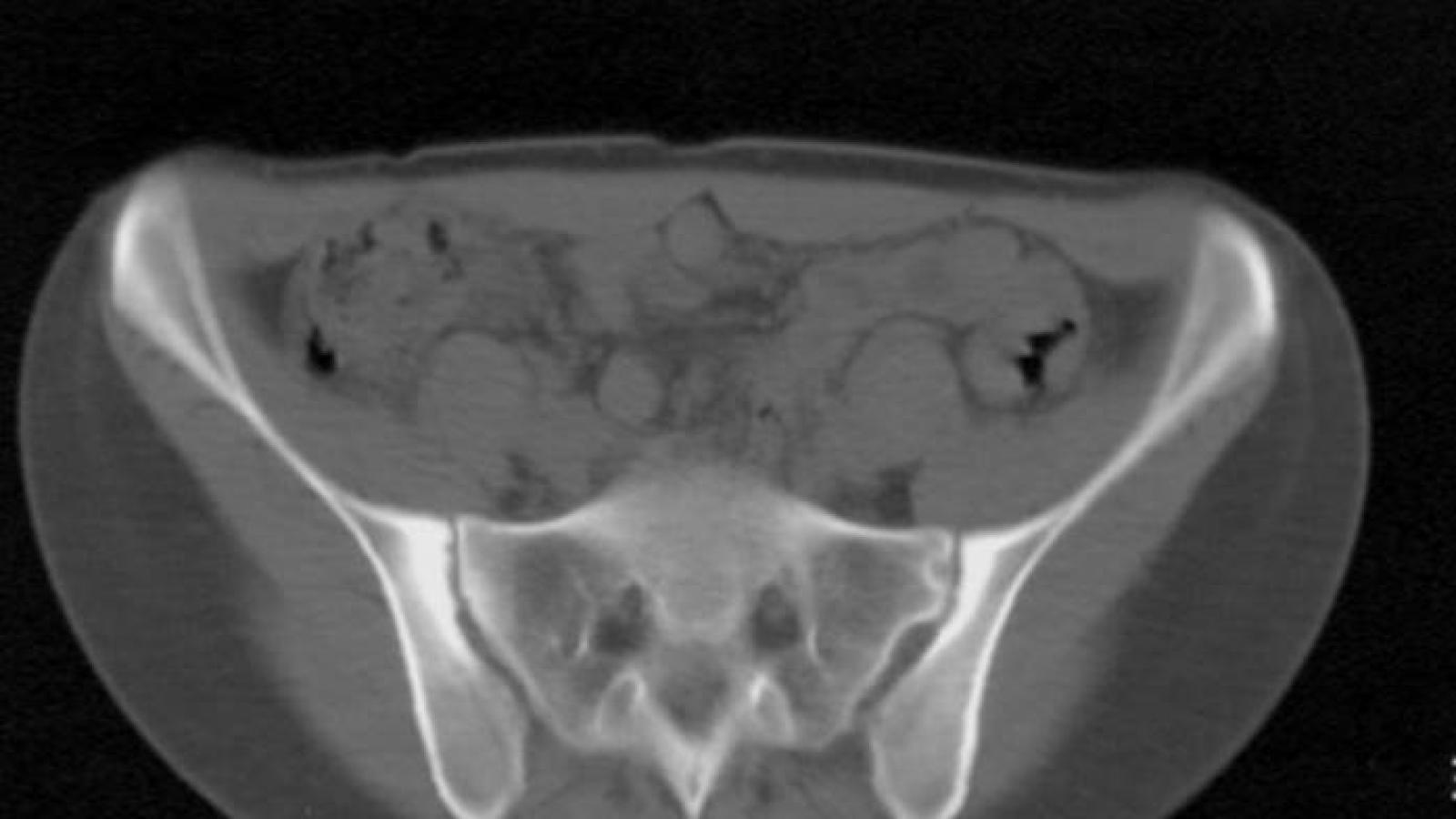
Lancet has published the results of a study showing that ixekizumab (an IL-17A inhibitor) yielded significant clinical benefit and radiographic protection when given to NSAID treated patients with radiographic axial spondyloarthritis (AxSpA).
“Autoimmunity is the Achilles heel of onco-immunotherapy” per Dr. Leonard Calabrese, which leaves a dilemma for rheumatologists.
Onco-immunotherapy induces immune dysregulation to allow patients to develop an immune response to their cancer cells. An unfortunate side effect for patients taking onco-immunotherapy is often autoimmune-like diseases referred to as immune adverse reactions (irAEs). Studies in France and the United States have shown
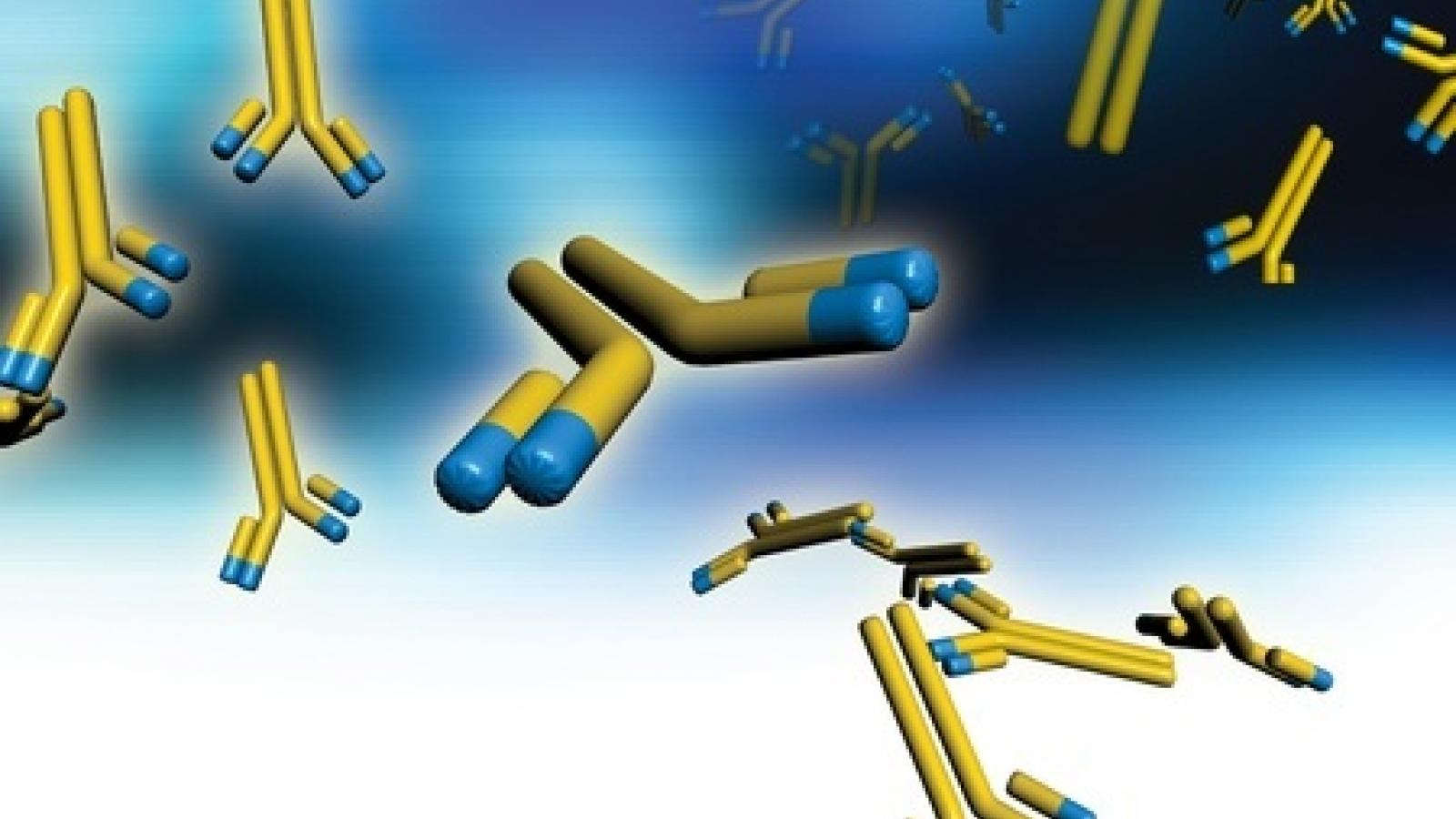
The monoclonal antibody bimekizumab, which neutralizes both interleukin (IL)-17A and 17F, was effective for both musculoskeletal and skin outcomes in psoriatic arthritis (PsA) in a phase IIb study.
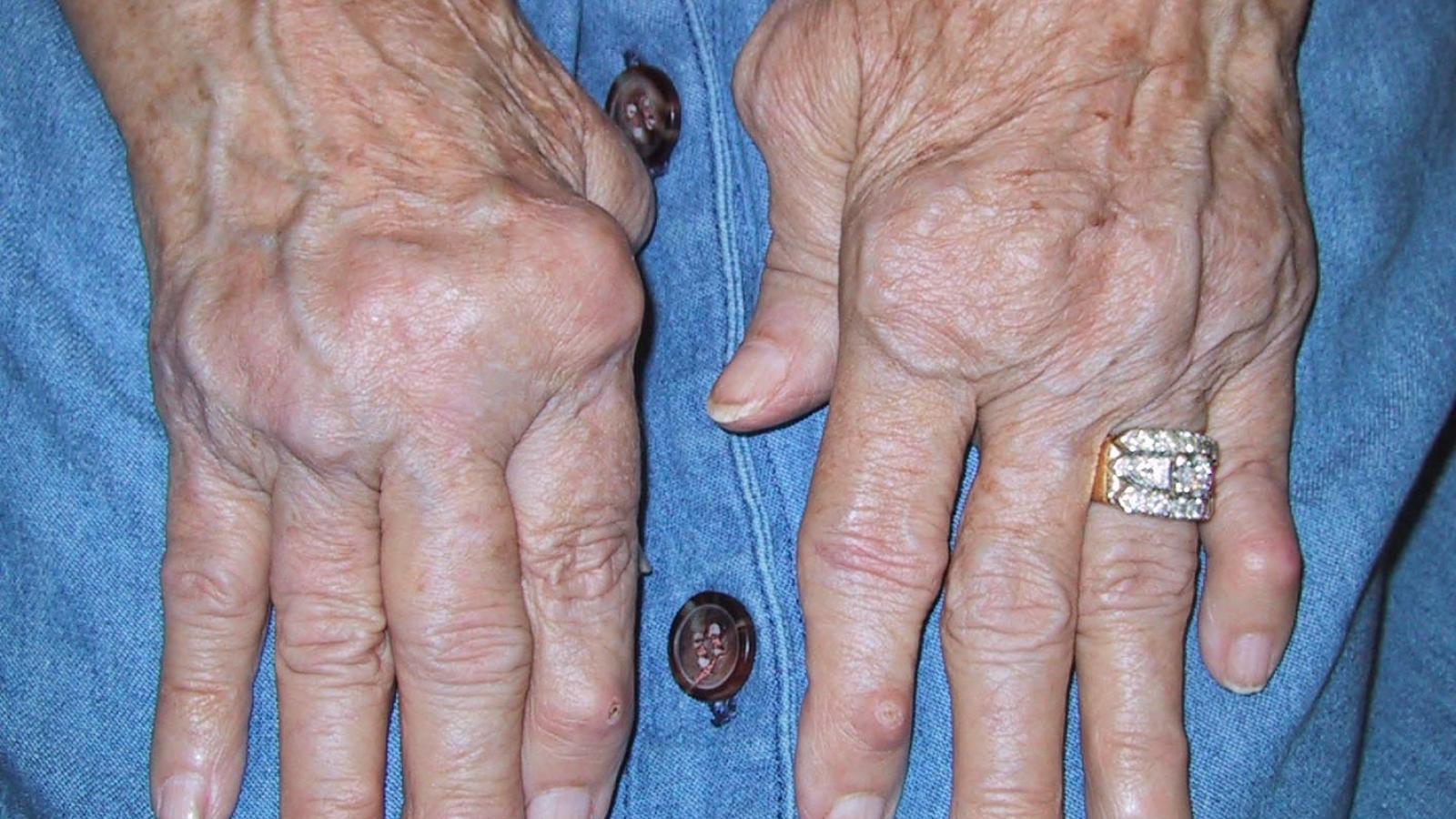
ACR 2018 has come and gone. It was a conference filled with a number of highlights. One thing from this conference which really stood out was the continued plethora of data on JAK inhibitors. First in RA, and now in psoriatic arthritis and psoriasis.

Here are a few important advances in our understanding of interstitial lung disease (ILD) from the ACR 2018 meeting last week.

Two studies presented at ACR18 have used imaging to examine one of the key unanswered questions in polymyalgia rheumatica - what structures are the focus of inflammation in the disease – and demonstrated that peritendineal involvement is ubiquitous in and distinctive of PMR.

The Annals of Internal Medicine features a communique from the Karolinska Institutet in Sweden demonstrating that elevated levels of antiphospholipid antibodies may be found in patients with myocardial infarction without any autoimmune co-morbidity, published in Annals of Internal Medicine reports.
"If radiation was a drug that could improve survival in the metastatic setting like that it would be millions and millions of dollars." -- James B. Yu, of Yale Cancer Center, discussing aggressive use of stereotactic body radiation therapy in oligometastatic cancer.*******************************************************
More intense treatment of gout with a treat-to-target strategy can reduce patients' risk for death, a Spanish researcher told a press conference Monday at the American College of Rheumatology annual meeting here.

This past week in Chicago gave us a plethora of new and eye-opening research, people, KOLs, exhibits, sessions, guidelines, posters and a never-ending supply of coffee served in small paper cups. ACR 2018 highlights for me included:

