


Articles By Alexa Meara MD

Mitigating Immunogenicity When Using Uricase Therapies as ULT
ACR20 convergence highlights a shift in gout management and uric acid lowering therapy (ULT). The new biologics pegdriticase and pegloticase are associated with risk of immunogenicity and loss of biological effects.
Read Article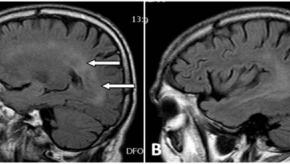
Best Imaging Techniques for non ANCA Vasculitis
Large vessel vasculitis (LVV) and CNS vasculitis are rare subsets of vasculitis. The challenges related to these diseases are well known to the rheumatologists who treat around the world.
Read Article
Update on Checkpoint Inhibitor Safety
“Autoimmunity is the Achilles heel of onco-immunotherapy” per Dr. Leonard Calabrese, which leaves a dilemma for rheumatologists. Onco-immunotherapy induces immune dysregulation to allow patients to develop an immune response to their cancer cells. An unfortunate side effect for patients taking onco-immunotherapy is often autoimmune-like diseases referred to as immune adverse reactions (irAEs). Studies in France and the United States have shown that irAEs can be a good prognostic sign, suggesting these therapies are working. Rheumatology is faced with new problems as onco-immunotherapies may induce new chronic diseases in multiple different forms secondary to the treatment.
Read Article