

Pisetsky and colleagues have reported in the Annals of Rheumatic Disease that ANA tests done on established SLE patients may yield surprisingly disparate results.While ANA negative lupus was a problem of old assays and the loss of ANA positivity may be seen with chronicity or age, most rheumatologists believe that ANA positivity is an absolute requirement for the diagnosis of systemic lupus erythematosus.
Everyone gets their education about drug-related infection risk from television ads. Rheumatologists should know what the real risks are and educate their patients that they have a higher than normal rate of nonserious infections. But the infection risk is way more related to inflammation than any specific drug risk.

At the EULAR 2016 meeting, new EULAR recommendations for the management of Behçet's disease (BD) were presented. These were developed by a multidisciplinary expert committee that reviewed the evidence from the medical literature and developed final set of 9 recommendations:

Just last week, I went to a doctor’s retirement party. It was festive, with honors and ribbing for the lucky one, but there was an asterisk to his milestone. Retirement was not anticipated or planned for. What is your retirement plan?

Dr. Jack Cush reviews selected news and journal reports from the past week on RheumNow.com.

Eli Lilly announced today the results of the COAST-W trial showing that ixekizumab (Taltz) was effective in a Phase 3 study Ankylosing Spondylitis (AS) patients who had an inadequate response or intolerance to tumor necrosis factor (TNFi) inhibitor therapy.

Many years ago, rheumatologists would assemble with lunar regularity to discuss cases, journal articles or listen to a great visiting speaker or leader in rheumatology. While many of these meetings occurred at a local eatery, they were more about the meeting than the eating.

A pattern of increased primary care visits and joint complaints during the 2 years before rheumatoid arthritis (RA) was diagnosed were predictive of the diagnosis, a British case-control study found.

The National Psoriasis Foundation has released dietary recommendations for adults with psoriasis and psoriatic arthritis, based on a systematic review of the current literature, with the strongest focus on weight reduction for those who are overweight or obese.

A recent Deloitte analysis of the biosimilar market in the USA suggests there are defined obstacles to biosimilar use that must be dealt with, especially as the current administration is seeking to lower drug prices and reduce out-of-pocket costs for US consumers.

Public Citizen has petitioned the U.S. Food and Drug Administration (FDA) to remove Takeda's drug febuxostat (Uloric) from the market, citing the FDA's own warnings and evidence of serious cardiovascular harms. This follows on a recent FDA safety warning and NEJM paper citing cardiovascular concerns over febuxostat.
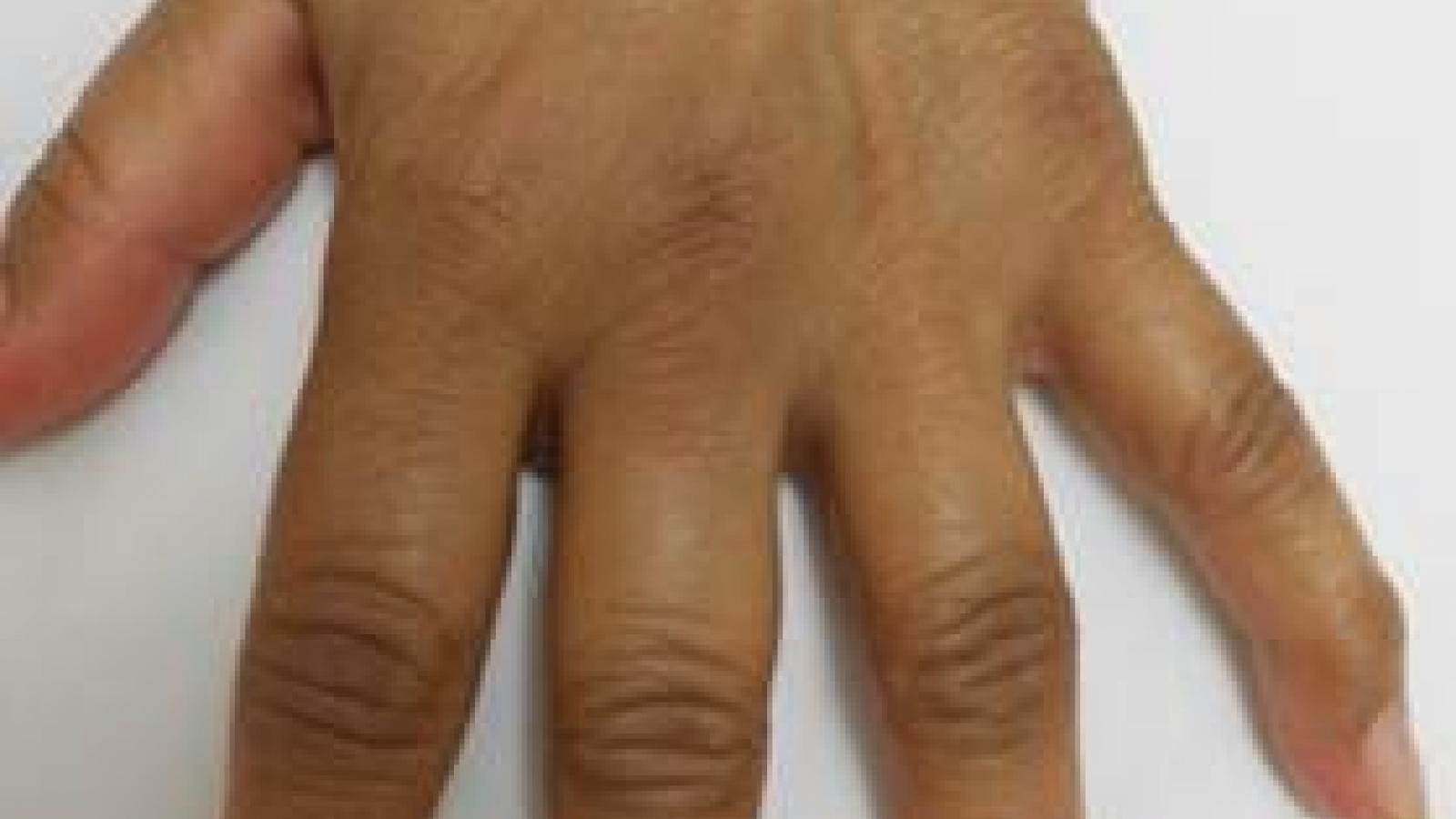
Preclinical rheumatoid arthritis (RA) is a hot new area wherein at risk individuals (seropositive, first degree relatives of RA patients, etc.) are being studied to assess the triggers that lead to progression to RA or whether therapies can be used to avert the onset of RA.
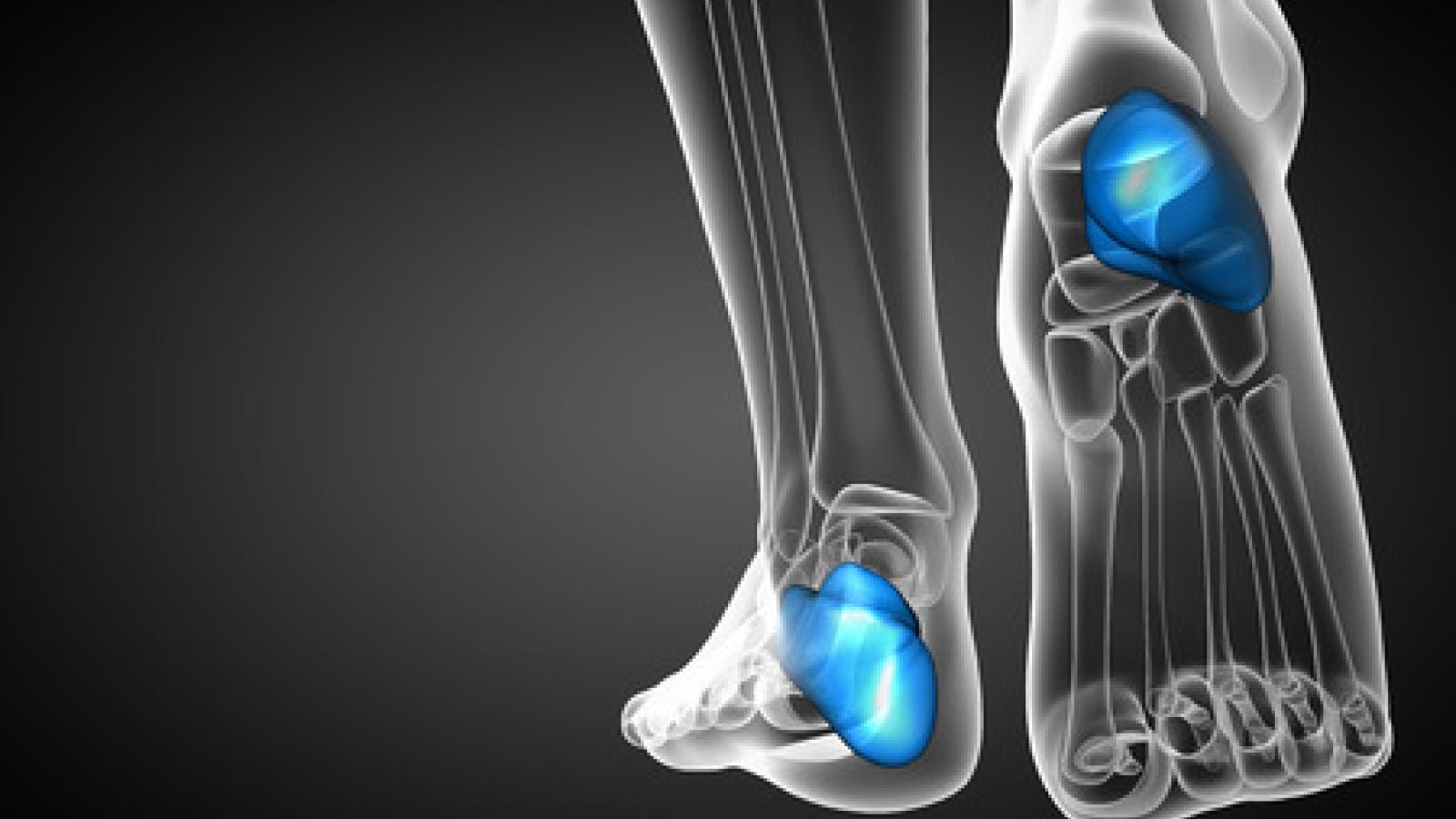
Patients with psoriatic arthritis (PsA) whose disease manifestations include enthesitis showed significantly greater responses to interleukin (IL)-23 inhibition than to blocking tumor necrosis factor (TNF), suggesting the possibility that treatment decisions in the future might be guided by specific cytokine targeting.
Dr. Richard Furie, MD, of Northwell Health in New York, presented the findings ofa large phase III trial of abatacept (Orencia) in lupus nephritis showing the agent failed to achieve a complete renal response.
Data presented at EULAR 2018 showed that at one year, a total of 35.1% of patients receiving abatacept achieved complete renal response, as did 33.5% of those randomized to placebo (P=0.73).

Dr. Jack Cush reviews EULAR 2018 and the past week's news and reports from RheumNow.com, including DMARDs in OA, the price of Penicillamine, Infections when ANCA+, CV outcomes in gout, NSAIDs in Pregnancy and Seropostive vs. Seronegative Outcomes.

