

A claims data analysis shows that abatacept use in rheumatoid arthritis (RA) patients yielded a modestly reduced cardiovascular risk when compared to patients receiving TNF inhibitors (TNFi).

New data shows that nearly 15 percent of adult ibuprofen users exceed the maximum recommended dose of ibuprofen or other NSAIDs in a one-week period.
An online study analyzed NSAID use with a 1-week diary study that included 1326 ibuprofen users. The vast majority (90%) of ibuprofen use was from over-the-counter use.

Corticosteroid therapy is integral to the treatment of polymyalgia rheumatica (PMR) and giant cell arteritis (GCA) and a new retrospective cohort study from the UK shows that PMR and GCA have similar, increased risk of fractures.

The RheumNow Week in Review discusses the past week's news, journal articles and highlights from RheumNow.com. This week's report covers the price of biologics treatment in psoriasis, comorbidities in myositis, bronchiectasis with MPO antibodies, and the risk of secondary TNF failure with anti-drug antibodies.

Like their adult counterparts, psoriasis in children is an independent risk factor for comorbidity, but not as much as obesity.Using claims data from Optum Laboratories Data Warehouse (150 million privately insured and Medicare enrollees), of 29 957 children with psoriasis were matched with a comparator cohort (children without psoriasis) and studied for the effects of psoriasis and obsesity.
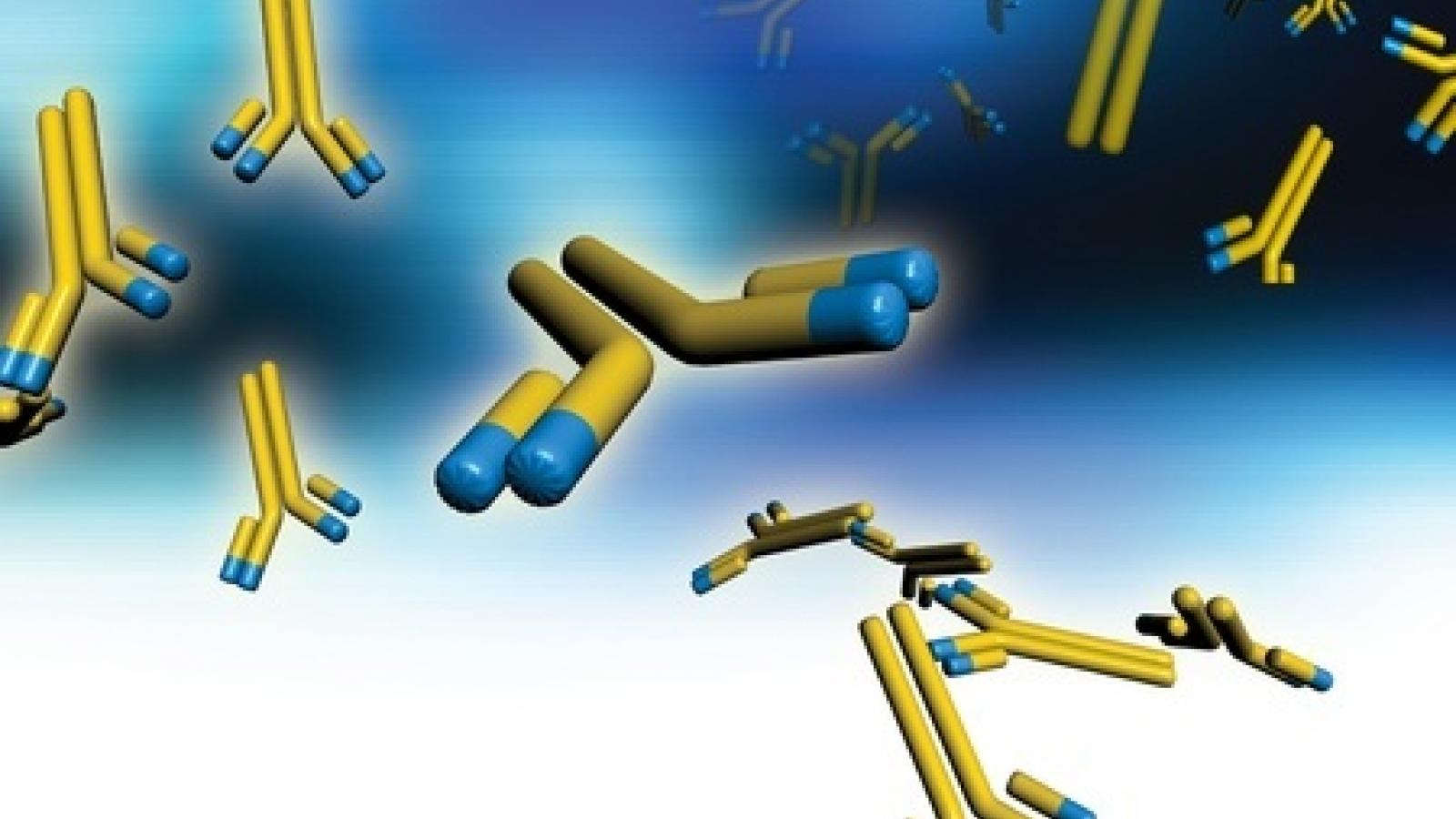
An observational study of patients with active rheumatoid arthritis (RA) or spondyloarthritis (SpA) experiencing secondary failure to TNF inhibitor (TNFi) therapy showed that (secondary) loss of efficacy to a TNFi was associated with anti-drug antibodies in less than 30% of patients.

Rheumatoid arthritis patients who were younger and who had lower body mass index, Health Assessment Questionnaire (HAQ) scores, and less disease activity at baseline were most likely to achieve remission after combination etanercept (Enbrel) and methotrexate induction therapy, a post hoc analysis of the PRESERVE trial found.

Lancet reports that in a study teriparatide with risedronate, post-menopausal women with severe osteoporosis had significantly fewer new vertebral and clinical fractures on teriparatide comared to those receiving risedronate.
This trial is one of the first to compare osteoporosis drugs with incident fractures as the primary outcome.
The RAPID-axSpA study of ankylosing spondylitis (AS) and non-radiographic axial spondyloarthritis (nr-axSpA) patients showed that certolizumab pegol (CZP) treatment yielded rapid clinical improvement with limited radiographic progression and MRI inflammation at the sacroiliiac (SI) joint over 4 years.
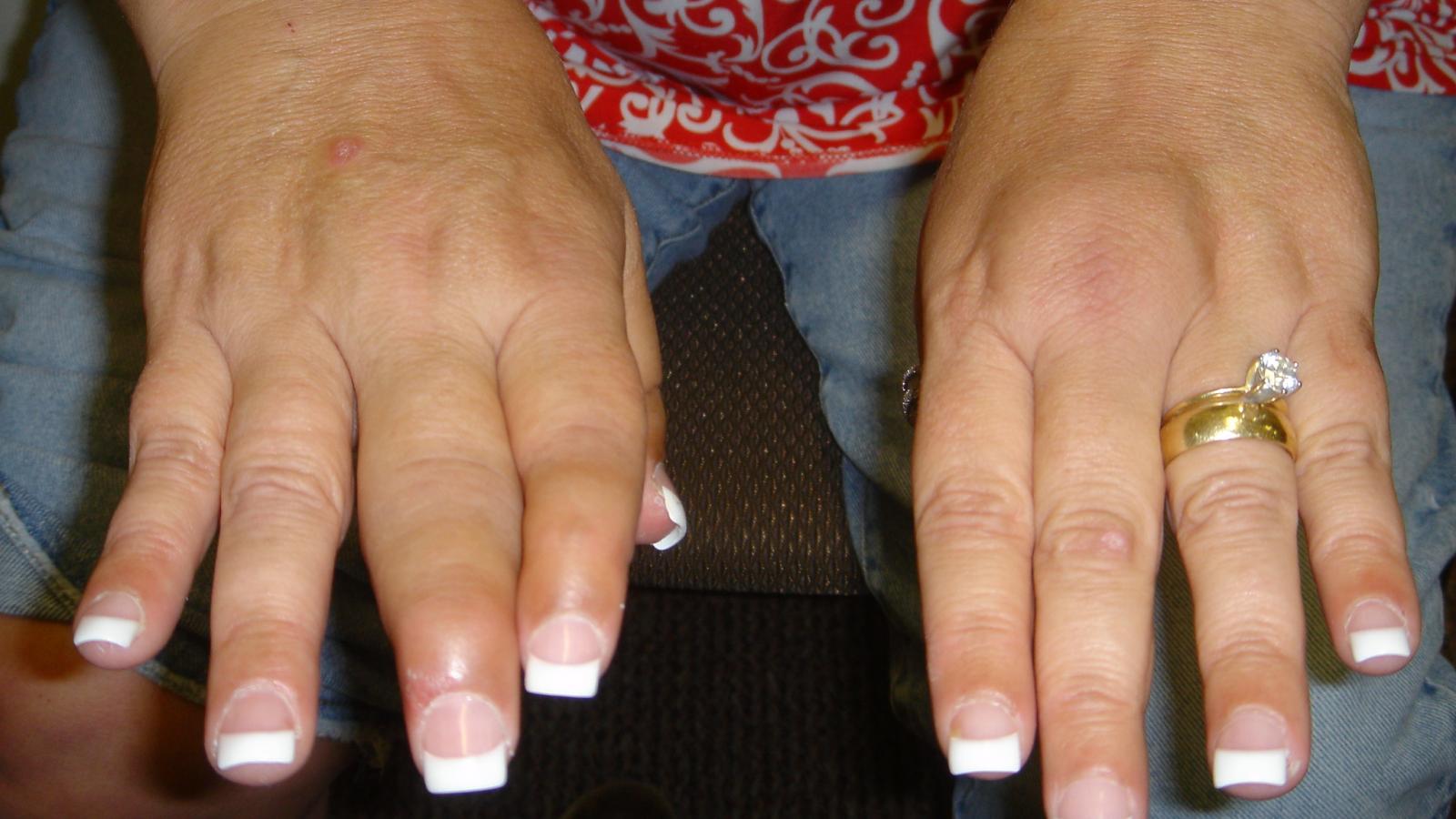
Monotherapy with apremilast (Otezla) among patients with psoriatic arthritis who were biologic-naive was significantly more effective than placebo as early as week 2 in a phase IIIb study.

Is your patient’s refrigerator the problem with the inefficacy of biologic therapies? Studies show most patients don't store their biologics correctly, which may be a source of limited drug efficacy.

By retrospectively reviewing electronic health record (EHR) data, Kreps et al found that rheumatoid arthritis (RA) patients who lost >5 kg of weight were three times more likely to demonstrate improvement in disease activity.
Researchers investigated the association between weight loss and CDAI change among patients who were overweight/obese at baseline and who lost weight during follow-up.

The RheumNow Week in Review discusses the past week's news, journal articles and highlights from RheumNow.com. This week's report covers the rising cost of adalimumab, infections in myositis, phyisician burnout, biologics in Still's disease and weight loss benefits in RA.
A report from Annals of Rheumatic Diseases suggests that osteoarthritis (OA) may be two distinct diseases based on genetic studies of articular cartilage. (Citation source: https://buff.ly/2mNtUsL).RNA sequencing of knee cartilage from 44 OA patients undergoing total knee replacement was compared to 6 additional patients with OA and 10 control patients with non-OA.

In 2016 the WHO set out to eliminate HBV infection as a public health threat by 2030. So far, we are far from this goal as vaccine implementation has been suboptimal in a number of important patient populations, including patients with rheumatologic diseases, as well as other immunocompromising diseases like HIV.

