

Dr. Jack Cush reviews highlights and news from the past week on RheumNow.com.
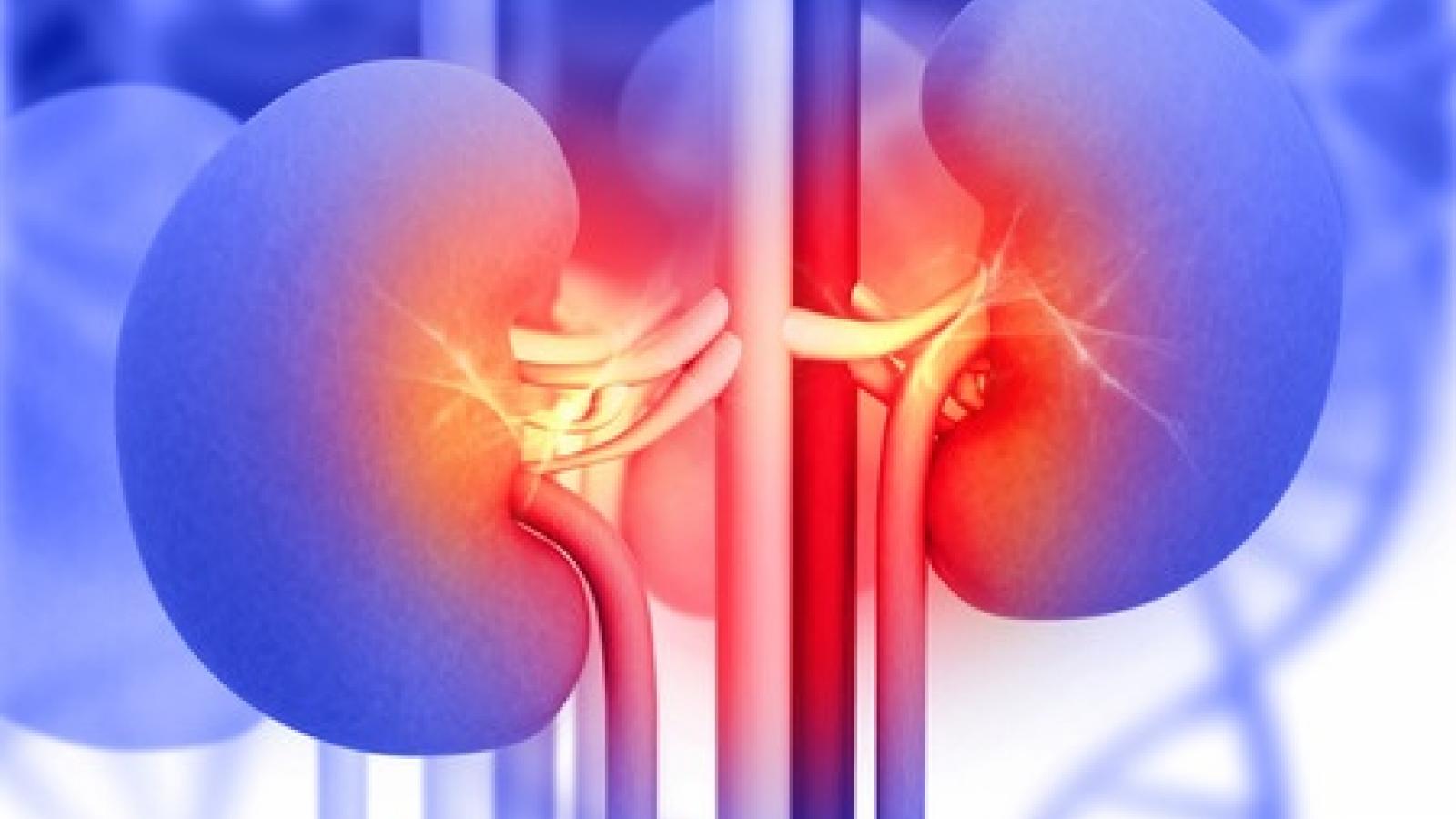
Hypertension, nephrolithiasis and chronic kidney disease (CKD) commonly associates with gout. While there is a clear need to dose adjust NSAIDs and colchicine in those with CKD, there is some debate about the need to dose adjust when using allopurinol with CKD.
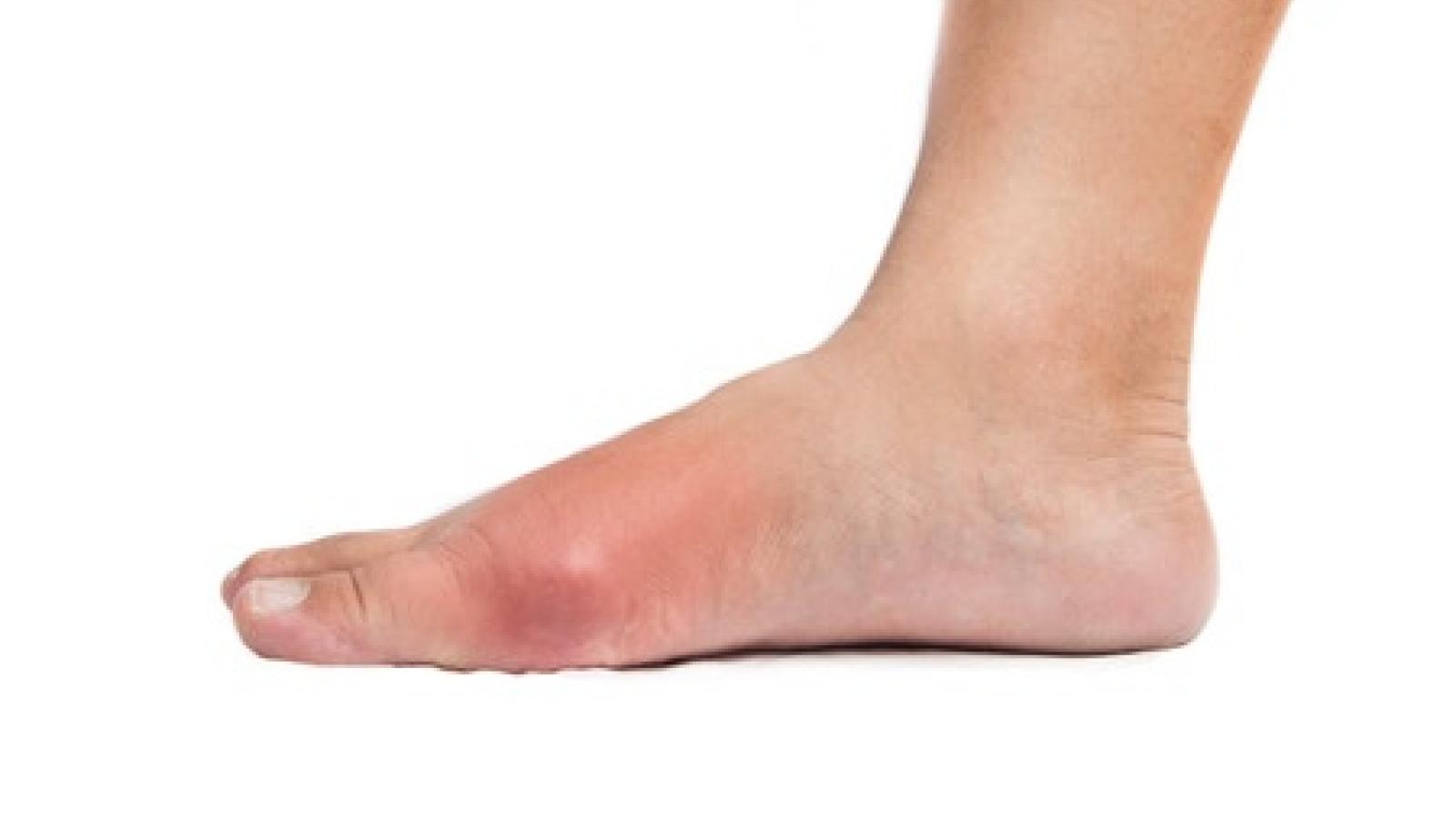
Serum uric acid (SUA) levels are clearly linked to gout. Researchers from Harvard have systemically reviewed the literature to quantify the risk of onset and flare with varying levels of SUA.
Literature review identified 8 eligible articles reporting gout incidence and 18 articles reporting recurrent gout rates in the context of SUA levels.
The medical use of cannabis is often extended to management of chronic pain and neuropathic pain.A metanalysis of 27 chronic pain trials show that there is low-strength evidence that cannabis alleviates neuropathic pain but insufficient evidence in other pain populations.However, there was little evidence that cannabis can alleviate pain associated with multiple sclerosis, cancer, or rheumatic conditions.

A prospective Swedish study between 2001–2009 found a higher risk of aortic regurgitation, pacemaker, AV block and atrial fibrillation in SpA, AS, uSpA and PsA patients.
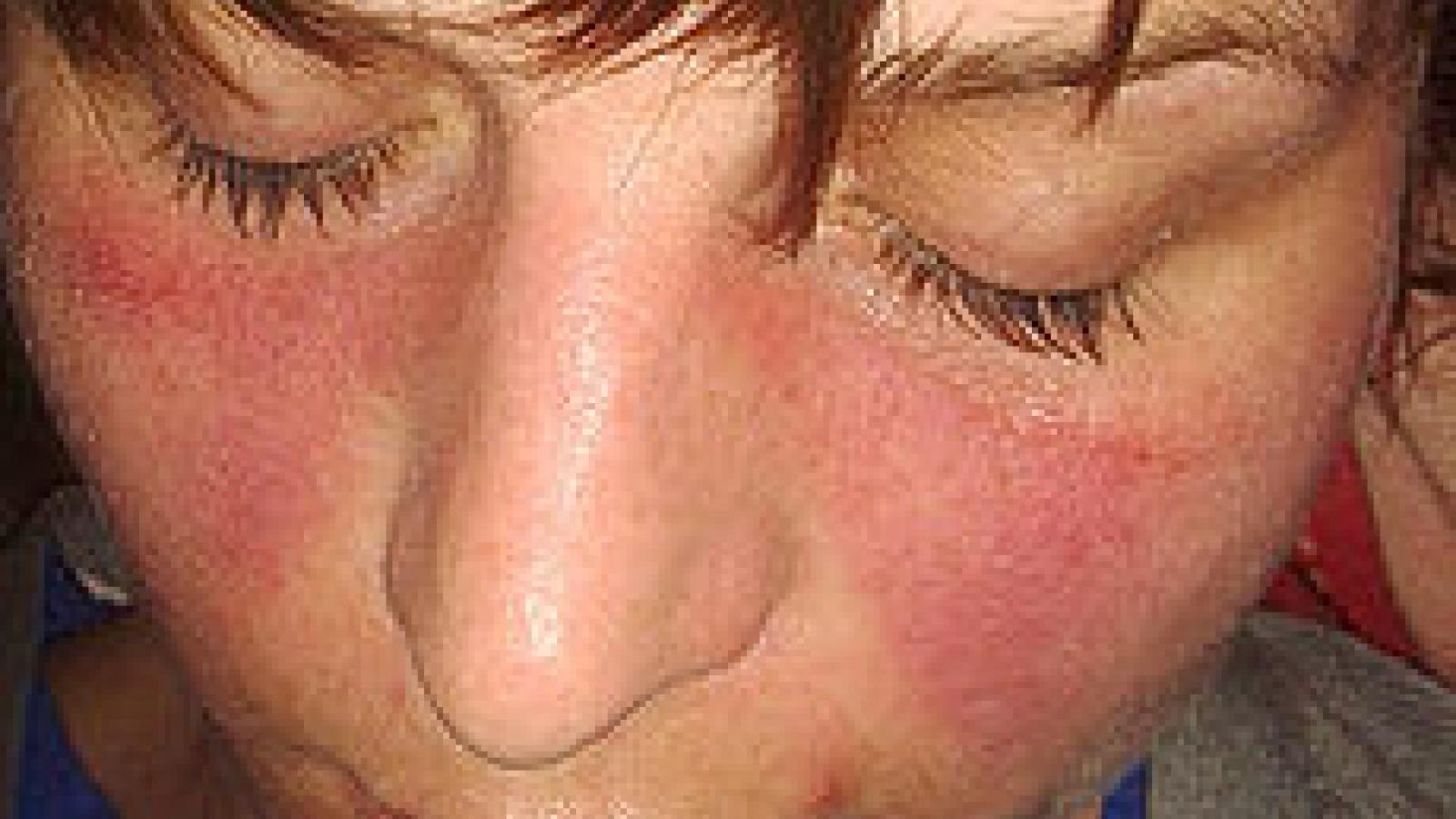
Despite large randomized trials failing to show the efficacy of RTX in SLE (LUNAR, EXPLORER), uncontrolled observational data suggests possible efficacy and safety of RTX in refractory SLE.

Lancet reports on the analysis of 2416 studies, involving 128.9 million persons over 5 years of age shows previously rising trends in children's and adolescents' BMI have plateaued in many high-income countries, but still at high levels.
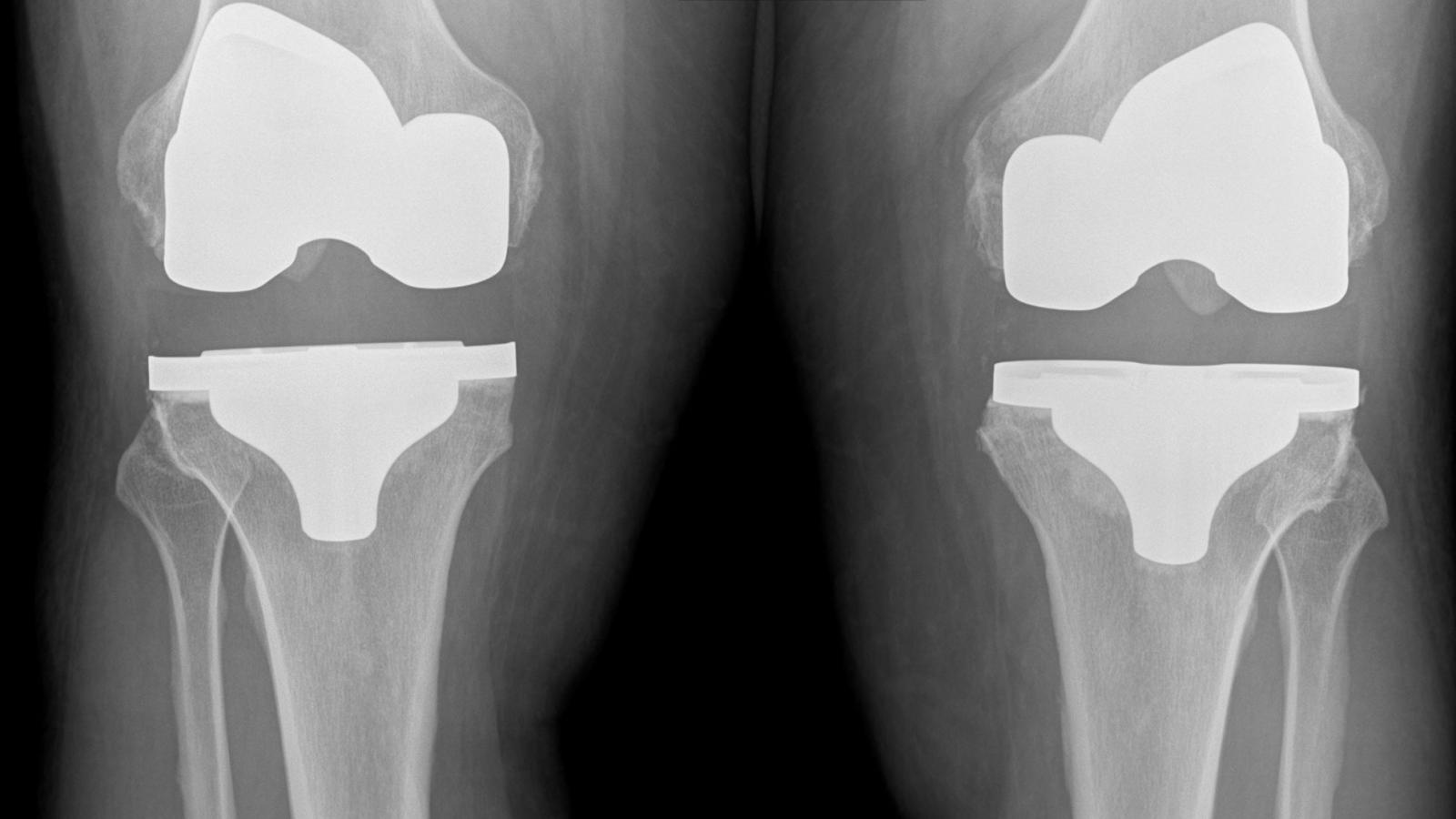
A time-series analysis of incident rheumatoid arthritis (RA) patients seen between 1996 and 2011 in the Danish National Patient Register shows that the incidence of hip (THR) and knee replacements (TKR) began to decrease after the introdution of biologic agents for RA in 2002.
Curtis and colleagues have analyzed the certolizumab (CZP) RAPID1 and RAPID2 trials to assess the risk of serious infectious events (SIEs), and shown that steroids combined with an age-adjusted comorbidity index (AACI) yields a 2-3 fold predictable risk for SIE.
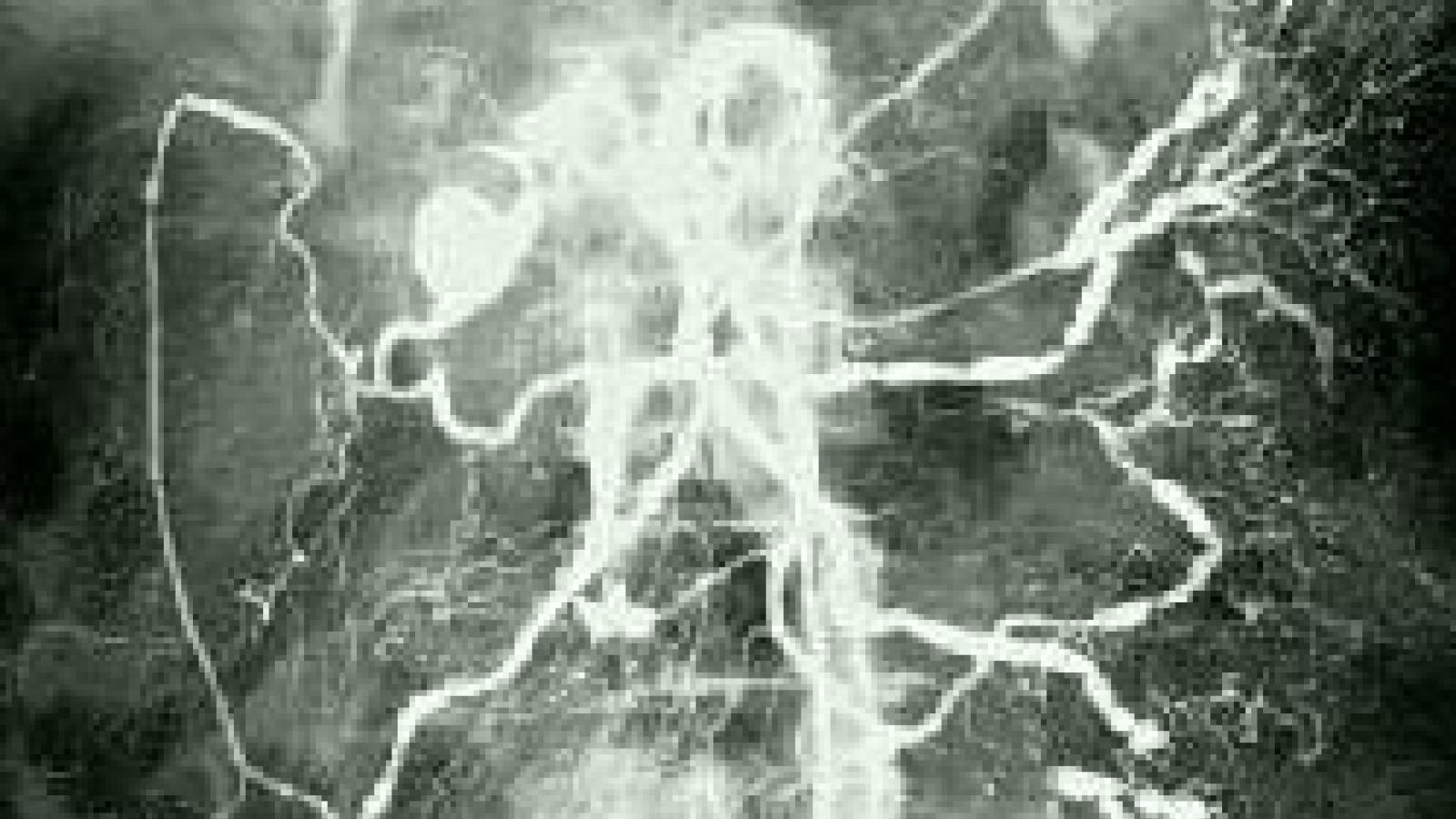
Researchers from the Nottingham University Hospitals have analyzed the efficacy and safety of oral (PO) and intravenous (IV) cyclophosphamide (CTX) in ANCA-associated vasculitis (AAV) patients and demonstrated a trend for fewer relapses, better 1 year survival and less toxicity with IV CTX.

Dr. Jack Cush reviews the news from the past week on RheumNow.com. Subscribe to the podcast on iTunes and SoundCloud.com.

Pfizer Inc. announced today that the United States Food and Drug Administration (FDA) has approved Xeljanz (tofacitinibi) for the treatment of adult patients with active psoriatic arthritis (PsA) who have had an inadequate response or intolerance to methotrexate or other disease-modifying antirheumatic drugs (DMARDs).

The Cochrane Database has published its review of calcium channel blockers (CCB) in Raynaud's phenomenon, showing CCBs may be useful in reducing the frequency, duration, severity of attacks, pain and disability associated with Raynaud's phenomenon, especially with primary Raynaud's.
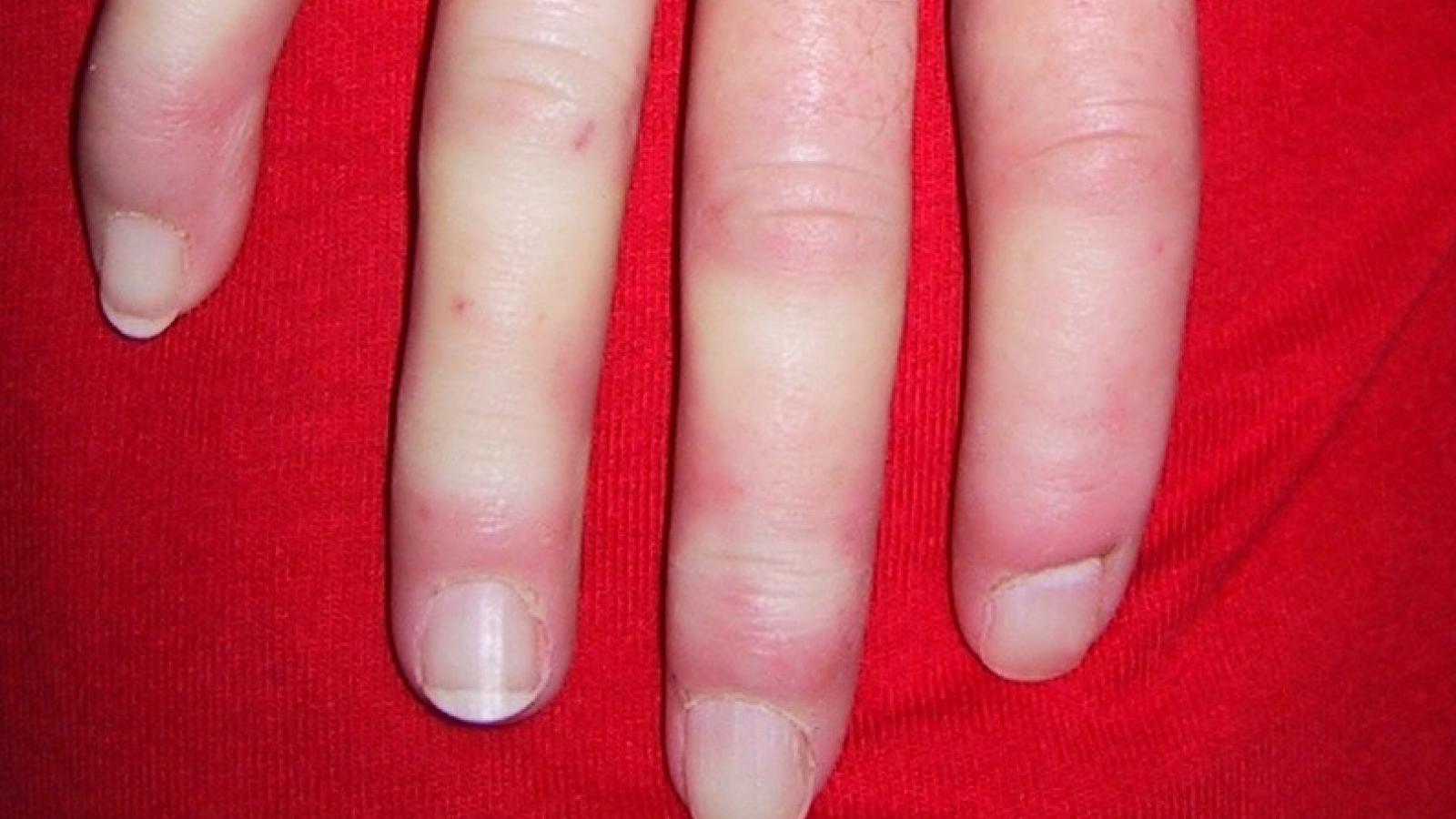
Early diffuse cutaneous systemic sclerosis (SSc) was associated with high levels of disability and fatigue, according to analysis of data from the European Scleroderma Observational Study cohort.
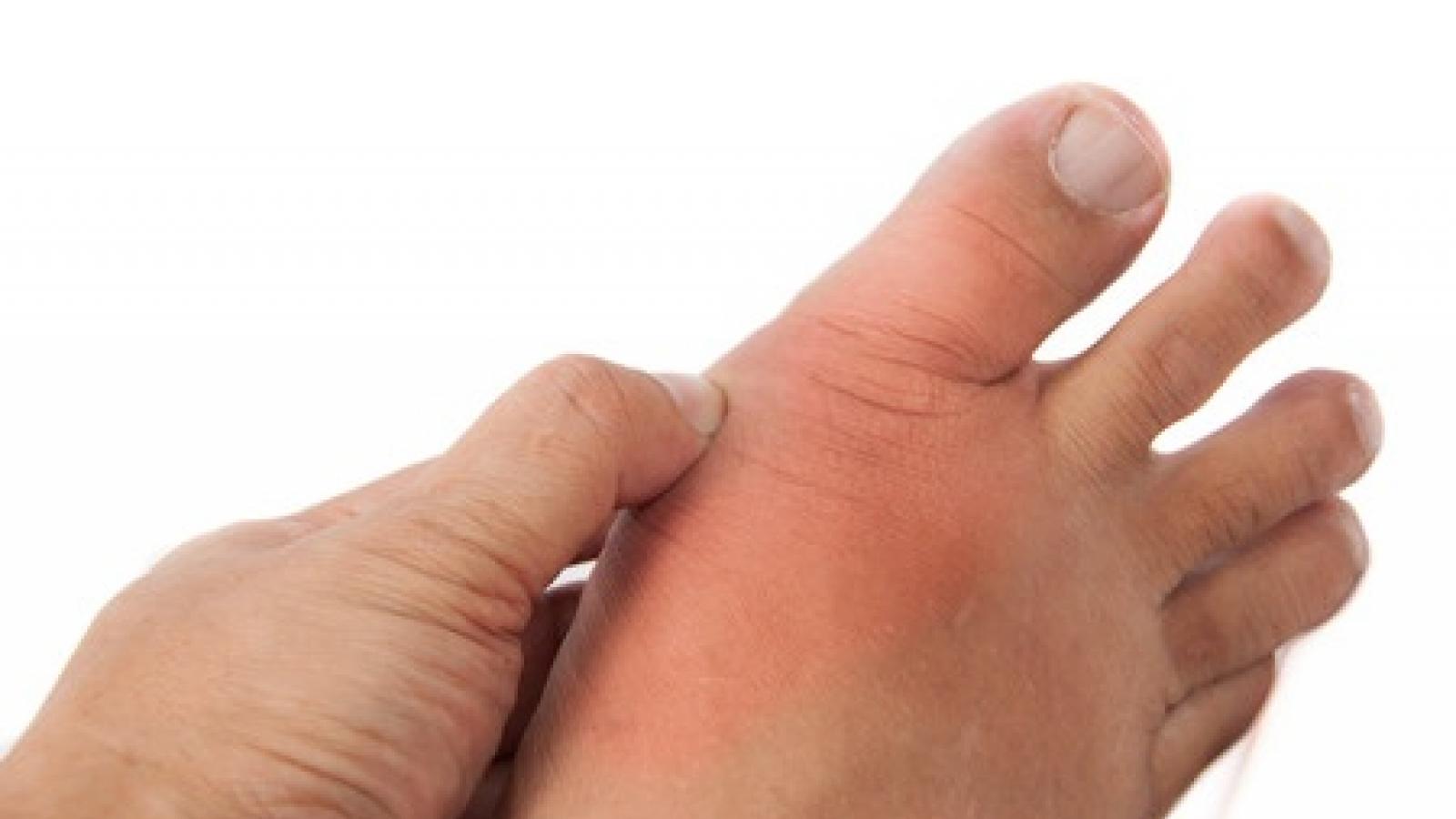
Dalbeth and colleagues have published a novel report in Arthritis & Rheumatology, novel in that it is a trial of early gout patients that looks at clinical and radiographic outcomes. They showed that febuxostat improves magnetic resonance imaging (MRI) measures of synovitis and reduced gout flares, but failed to alter X-ray progression with 2 years follow-up.

