
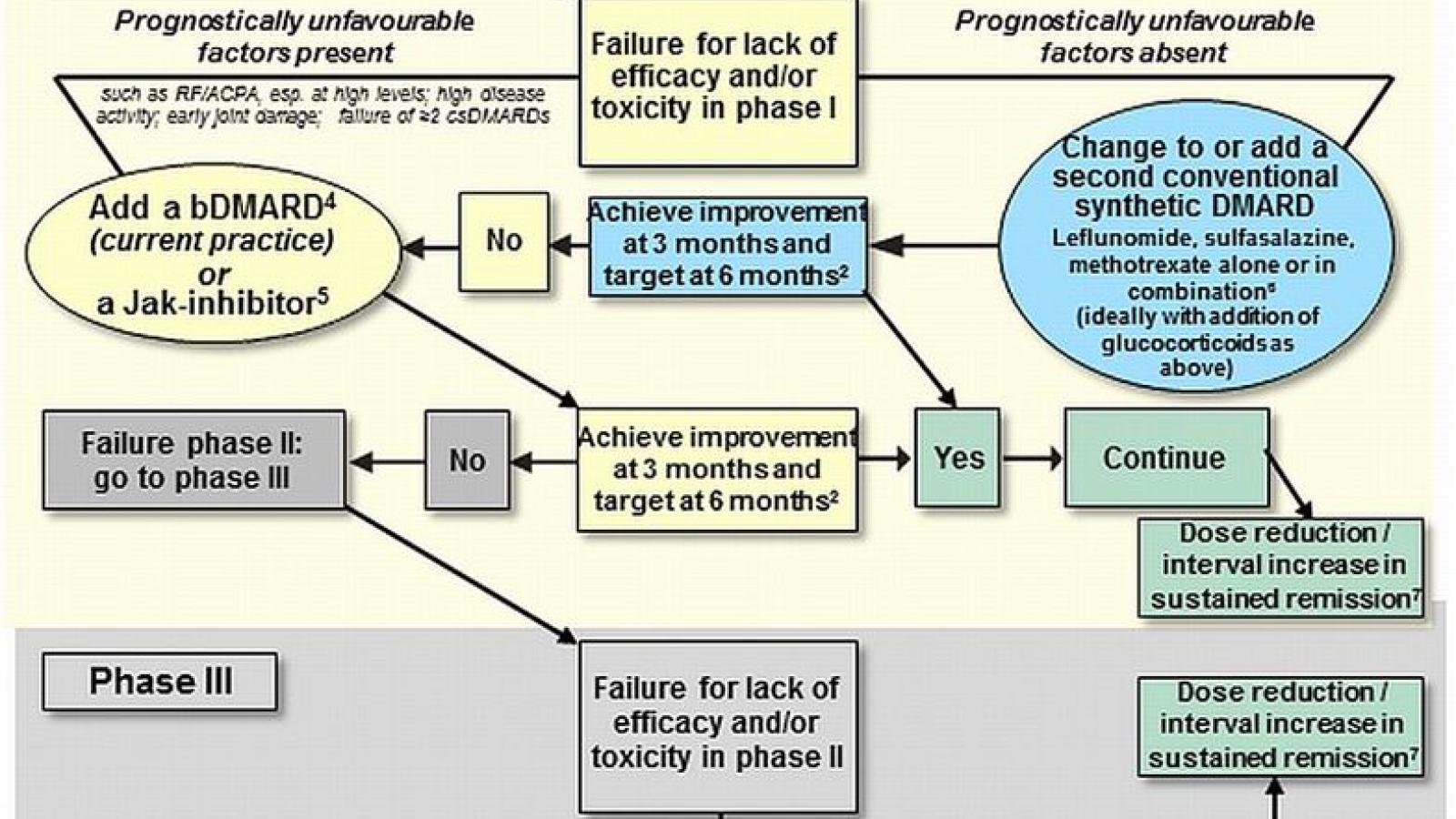
The management of rheumatoid arthritis (RA) has evolved significantly with time. Nevertheless, there are still some uncertainties - such as when, what and which biologic or novel therapy should be used.

The RheumNow Week in Review discusses the past week's news, journal articles and highlights from RheumNow.com. In this week's report, Dr. Jack Cush discusses when to hold the biologic, lymphoma risk with tofacitinib, early clues to the diagnosis of RA, biologic use in pregnancy, what's killing psoriasis patients and the 2016 top 5, best selling drugs in rheumatology.

While it is highly desirable to avoid medications during conception and pregnancy, statistics show that >90% of women take at least one drug during pregnancy and nearly half will take 3 or more medications during pregnancy.

A new patient came in today; he noted that he made an appointment with me after reading a favorable online review on YELP about our practice.

A registry based study has shown higher rates of immune mediated diseases (IMD) in patients with inflammatory bowel disease (IBD).
Researchers examined 47325 IBD patients from the Danish National Patient Registry and compared them to controls from a civilian registry and used ICD 10 codes to identify the diagnoses observed.
Everyone gets their education about drug-related infection risk from television ads. Rheumatologists should know what the real risks are and educate their patients that they have a higher than normal rate of nonserious infections. But the infection risk is way more related to inflammation than any specific drug risk.

JAMA Dermatology has published a report showing psoriasis carries a 60% greater risk alcohol-related death compared with those without psoriasis. (Citation source: https://buff.ly/2galDwr)

The British Society of Rheumatology (BSR) has been accredited by NICE to develop a guidance document for the management of primary Sjögren's Syndrome intended for rheumatologists, general physicians, general practitioners, specialist nurses and other specialists (e.g. ophthalmologists, dental practitioners and ENT specialists),

Today in clinic, I saw a patient with longstanding seropositive, erosive rheumatoid arthritis who had been treated with etanercept for over 10 years. She had undergone valve replacement years ago for regurgitation. Approximately 2 years ago she had onset of fevers, chills, night sweats, in addition to weight loss and shortness of breath.

Amgen's biosimilar version of adalimumab (Humira) was FDA-approved in September 2016 and given the trade name Amjevita (generic: adalimumab-atto). This new TNF inhibitor biosimilar has not yet been to market because of legal wranglings over patent issues by Abbvie's Humira.
The RheumNow Week in Review discusses the past week's news, journal articles and highlights from RheumNow.com. This week's report discusses regulatory actions by NICE and FDA, higher death rates in RA and psoriasis, increased risk of RA with Asthma, rising numbers for OA, RA, and STDs.

A report in the Journal of the American Academy of Dermatology shows that psoriasis duration and inflammation may result in cardiovascular inflammation and an increased risk of major adverse CV events.

The current issue of JAMA reviews the safety of long-term use of proton pump inhibitors (PPI). The following is a collection of the evidence about these purported risks.Fractures
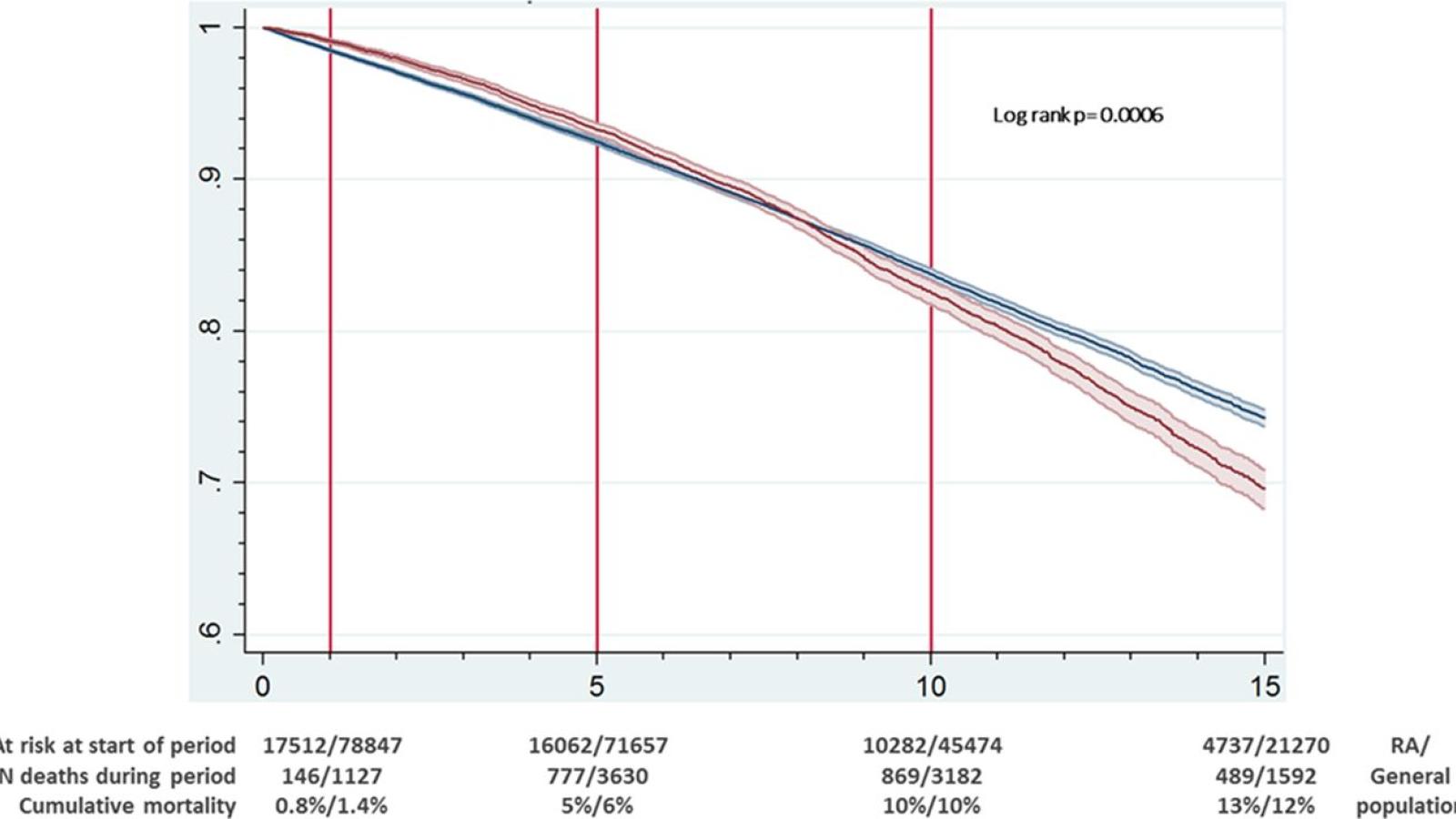
Data from the Swedish Rheumatology Quality (SRQ) Register studied death rates in patients with rheumatoid arthritis (RA) between 1997 and 2014. Holmqvist and colleagues studied 17,512 RA and 78,847 matched controls from the general population, until their death.For both the RA patients and general population, they noted steady decrease in mortality rates over time.

Researchers from the University of Alabama at Birmingham (UAB) have detailed mechanisms leading to age-related bone loss and osteoporosis.

