

This Drug Safety Bulletin address FDA delay of baricitinib, etanercept effective at room temperature, Consumer Reports features on drug safety, no association between Alzheimer's and PPIs, AHRQ review of opioid drug safety, FDA safety abeling changes, drug shortages and more.

The CANTOS trial has shown that interleukin 1β inhibition by Canakinumab (CAN) resulted not only in a reduction of cardiovascular deaths but also significantly decreased the incidence and death from lung cancer.
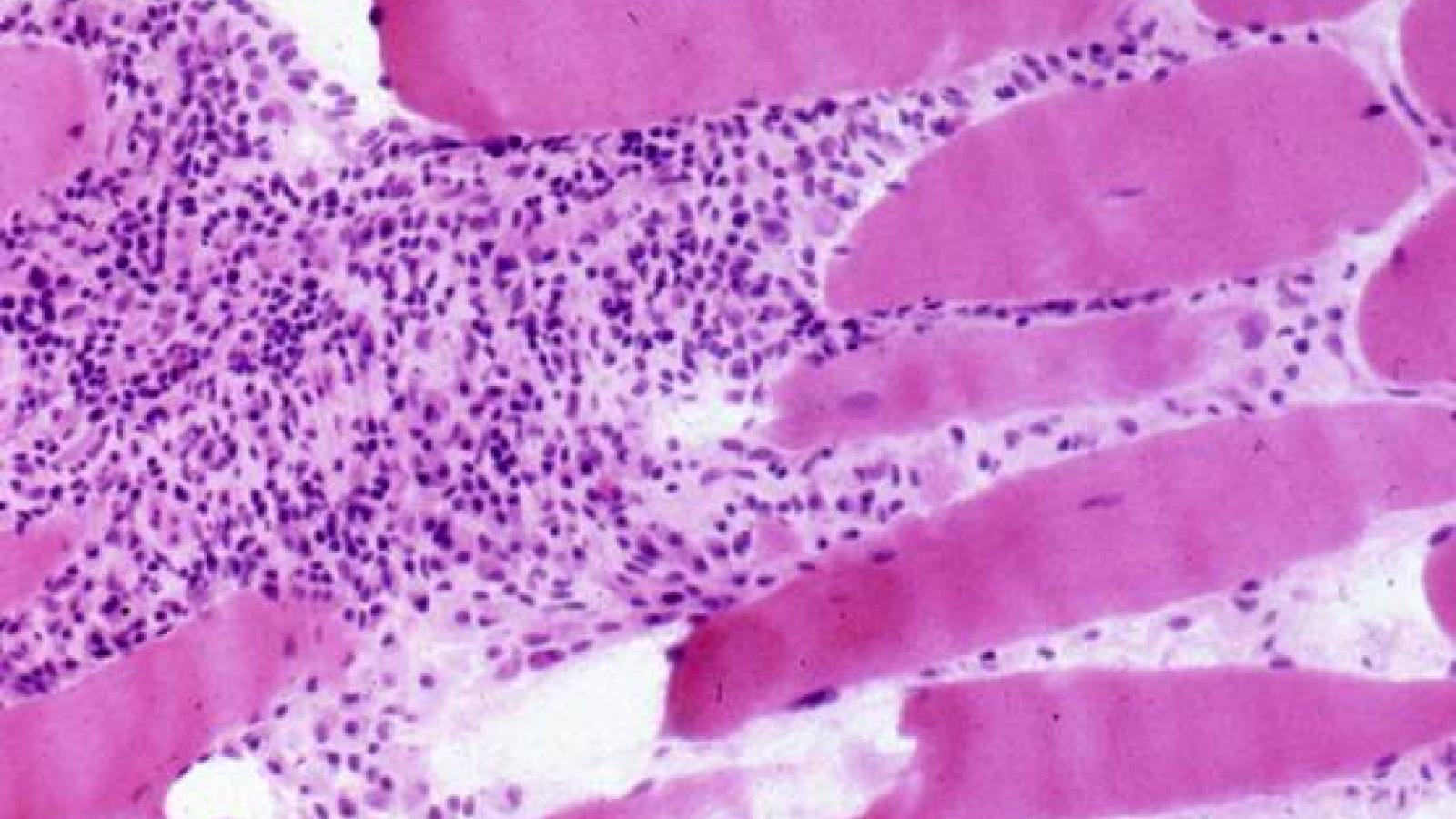
A Swedish population-based study found a nearly fourfold greater risk of all-cause mortality in idiopathic inflammatory myopathy (IIM) patients compared with the general population.
Risk peaked to almost 10% in the first year, pointing to the need for careful monitoring of newly diagnosed patients, reported Marie Holmquist, MD, PhD, of the Karolinska Institute in Stockholm, and colleagues in Annals of the Rheumatic Diseases.
Eli Lilly and Company and Incyte Corporation announced today that, after discussions with the U.S. Food and Drug Administration in late August 2017, Lilly will resubmit a revised New Drug Application for baricitinib before the end of January 2018. The resubmission package will include new safety and efficacy data.

The current issue of JAMA reviews the rising practice of patient recording of medical visits and their legality.
Unbeknownst to clinicians, some patients may be recording clinic visits, with or without permission. In a UK study, up to 15% of patients acknowledged they secretly recorded clinic visits.
The current issue of Arthritis & Rheumatology features an editorial and two novel articles on the herpes zoster vaccine. Kevin Winthrop and colleagues report on the results of a phase II trial wherein 112 patients about to begin tofacitinib therapy were vaccinated with the live-virus zoster vaccine (LZV).

The results of a randomized, double-blind trial have shown that canakinumab (CAN), an interleukin-1β inhibitor, given as 150 mg every 3 months, resulted in a significantly lower rate of recurrent cardiovascular events (in high-risk CV patients), independent of lipid-level lowering. The results of the CANTOS studywere simultaneously published in NEJM, Lancet and were presented at the European Society of Cardiology meeting in Barcelona.

On Friday August 25th, the FDA approved another adalimumab biosimilar: Cyltezo (generic name: adalimumab-adbm).

Reuters reports that yet another adalimumab biosimilar has been approved by European Union regulators.
The new drug is named Imraldi, and is manufactured by Samsung Bioepis, a company who has several biosimilars approved or in development for worldwide use.

The RheumNow Week in Review discusses the past week's news, journal articles and highlights from RheumNow.com. This week's report includes new data on IL-1 and pregnancy, contraceptives and the risk of RA, Calprotectin the biomarker, T2T failing, and the loss of a giant in rheumatology.

Dr. H. Ralph Schumacher passed away from ALS in July 30, 2017. The current issues of The Rheumatologist and the Journal of Clinical Rheumatology have beautiful tributes written by Dr. Simon Helfgott and past ACR president Dr. Joan VonFeldt on the passing of a giant in rheumatology. (Citation source https://buff.ly/2vkhWd8)

Non-Tuberculous Mycobacterial infections are among the most frequently reported opportunistic infections in the setting of biologic therapy. While there are hundreds of NTM species, only a minority are clinically relevant. In this review, I'll address important NTM diagnosis and management issues relevant to patients receiving biologic therapy.
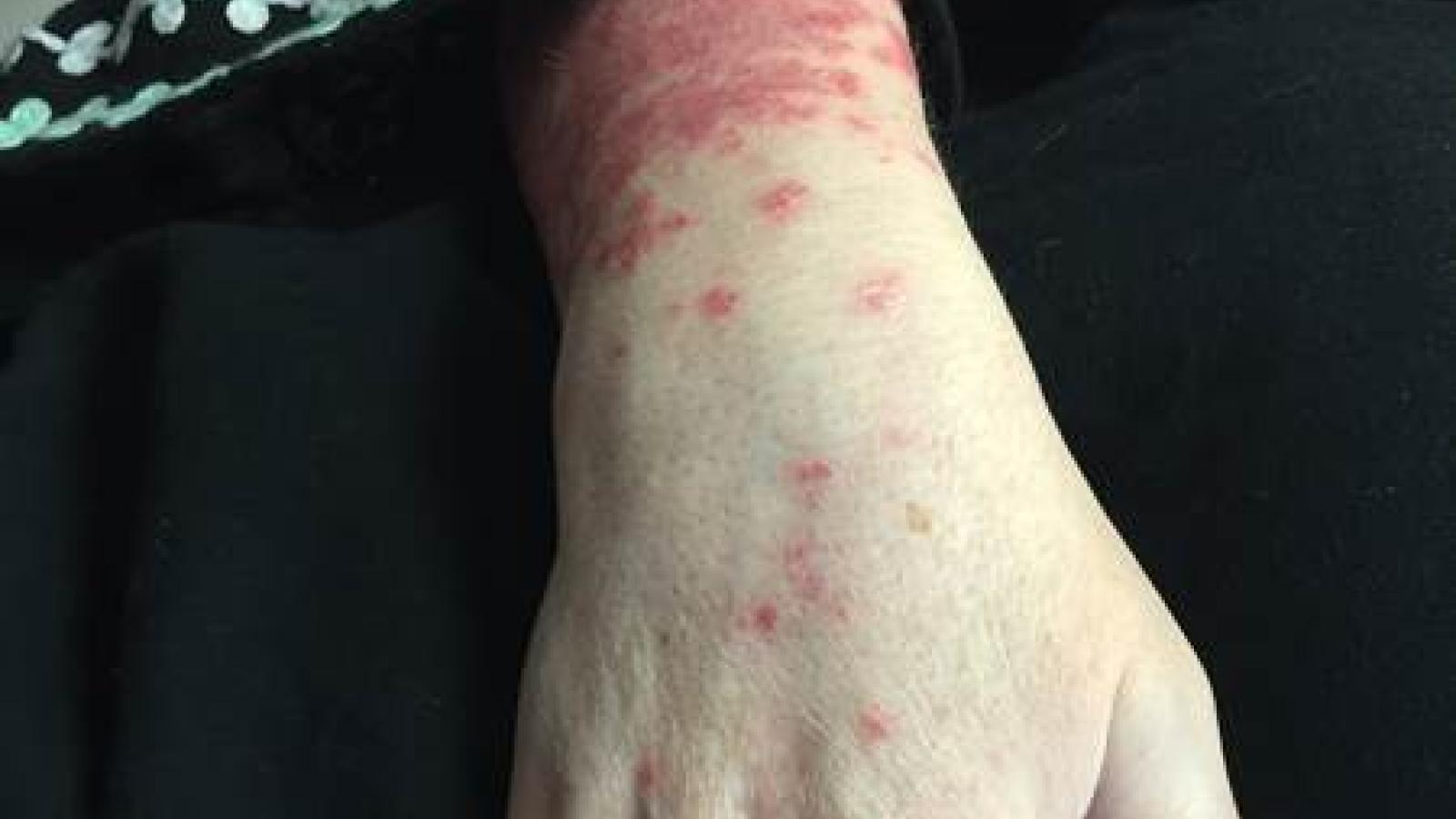
Golimumab (GOL) is one of five marketed TNF inhibitors (TNFi) that is FDA approved for use in psoriatic arthritis (PsA). PsA approval was based on a 259 patient, randomized, controlled trial wherein GOL treated patients exhibited at week 24 ACR20/50/70 response of 52%, 32%, and 19%, respectively.
Treat-to-target strategy is widely advocated as an important means of optimizing treatment responses in patients with rheumatoid arthritis. Even though T2T is encouraged by most guidelines, a current report shows that US Rheumatologists fail to implement T2T in their daily practice.

Evidence from multiple studies suggests there is an increased risk of lymphoma in rheumatoid arthritis (RA) that is believed to be linked to the cumulative activity of the disease.

