


Every rheumatologist knows and every rheumatic patient woes about the havoc weather inflicts on joint pains. Yet, research on this issue has seldom confirmed these impressions. A novel new look has shown by linking online search terms with published weather conditions that increasing climate temperatures increased rates of hip and knee pain (searches), while precipitation had no effect.
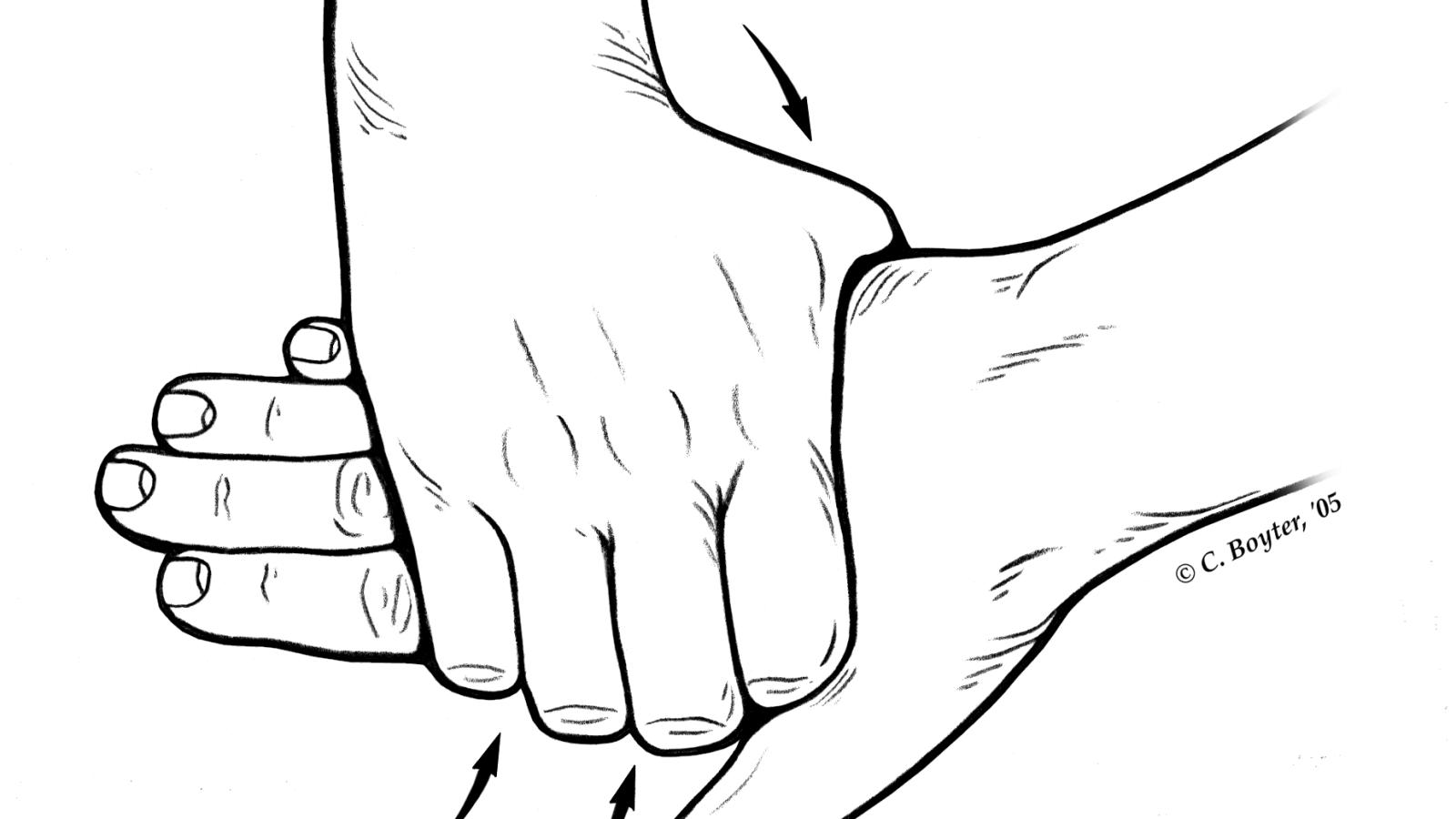
Early diagnosis and early intervention has been the mantra of all who manage musculoskeletal (MSK) diseases for decades. While the rules for referral may be clear to some, the lack of uniformity and promotion amongst primary care providers is less certain.

Adult patients with a history of juvenile idiopathic arthritis (JIA) showed poorer health-related quality of life decades later, compared with individuals who were healthy as children -- even if they were in clinical remission, reported researchers in Norway.

Beyond diagnosis, management of neuropsychiatric lupus (NPSLE) can be challenging. Moreover, there are scant studies addressing optimal management. In this issue of Clinical Rheumatology, researchers show the efficacy of mycophenolate mofetil (MMF) and deflazacort in NPSLE.

Drs. Cush and Gibofsky answer 5 questions about the August 2, 2017 FDA Arthritis Advisory Committee meeting that reviewed the NDA for sirukumab use in rheumatoid arthritis. The panel voted against (1-12) the approval of sirukumab.

In the United States, musculoskeletal ultrasound (MSUS) in rheumatology has grown significantly in the last few decades. Ten years ago, more than half of rheumatology fellows had training or exposure to MSUS. A current survey of training programs shows that 94% provide MSUS training.

Increased morbidity and mortality from infectious causes in patients with autoimmune disorders has led to the overall consensus that vaccination of such patients is important and should be widely promoted in clinical practice. However, the autoimmune-biased immune system of the patient with rheumatic disease and use of immunosuppressive drugs tend to affect response to vaccination.

On Thursday, August 3, the FDA Arthritis Advisory Committee (AAC) met to consider tofacitinib for use in patients with psoriatic arthritis. The panel voted 10-1 in favor of approval.

Dr. Jack Cush reviews new FDA decisions on sirukumab and tofacitinib as well as other news items from the past week on RheumNow.com.

On Wednesday, August 2, the FDA convened the Arthritis Advisory Committee (AAC) to evaluate the safety and efficacy of Janssen’s anti-IL-6 monoclonal antibody, sirukumab. The panel included over 13 voting members that included adult and pediatric rheumatologists, statisticians, pharmacologists and patient representatives.
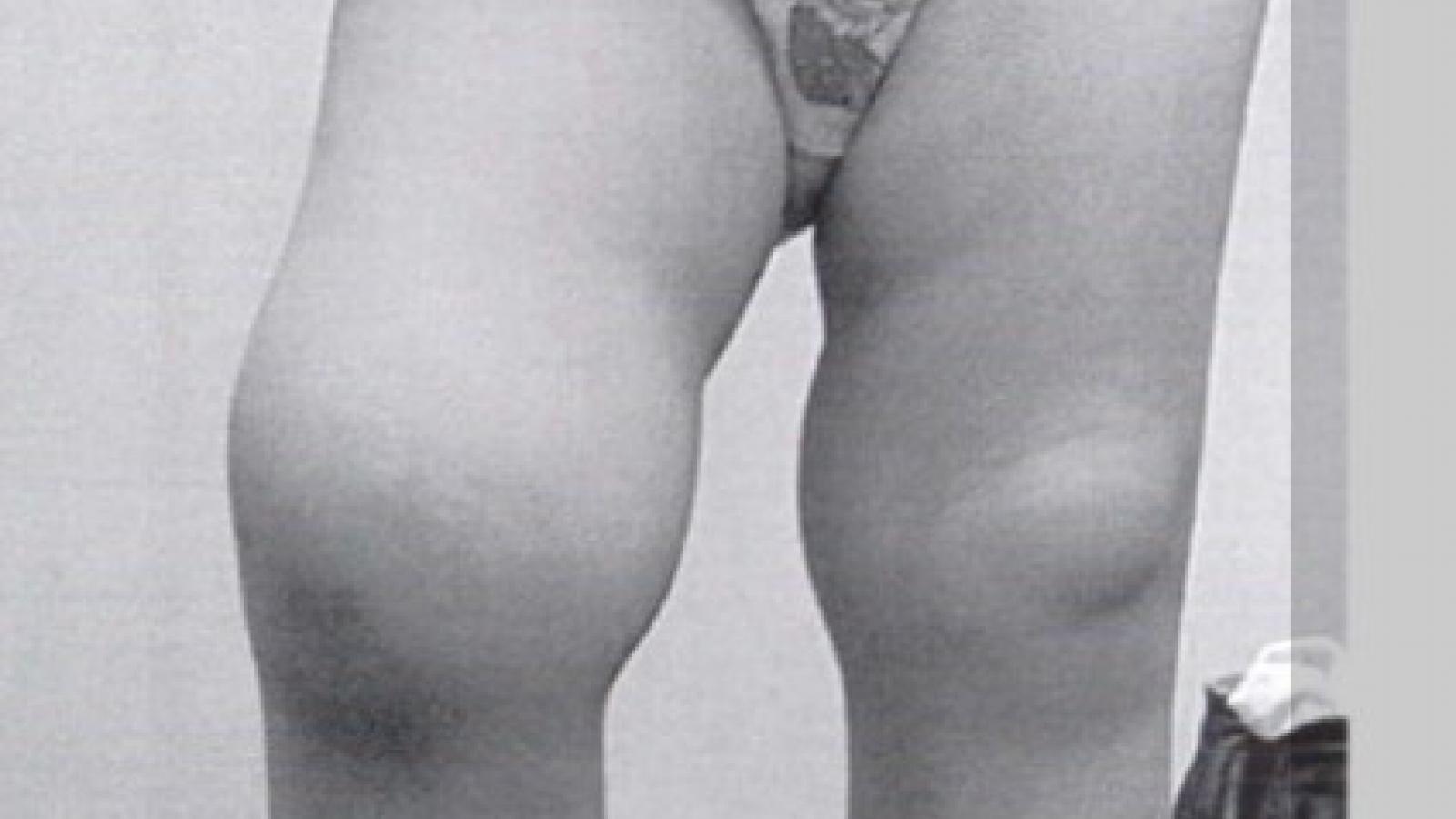
Comorbidity is a serious consequence or confounder in patients with inflammatory diseases. This has been well described in both psoriatic and rheumatoid disease. JAMA Dermatology has published the recommendations of a pediatric multispecialty group regarding the screening for comorbid disease. (Citation source https://buff.ly/2u4pi3J)

While there are several reports detailing uncontrolled, observational results of biologic use during pregnancy, most are hampered by low numbers, incomplete data and too small a sample to make reliable judgements regarding the teratogenicity. A company sponsored claims data analysis has shown that etanercept exposure during pregnancy was not associated with an increase in major congenital malformations (MCMs).
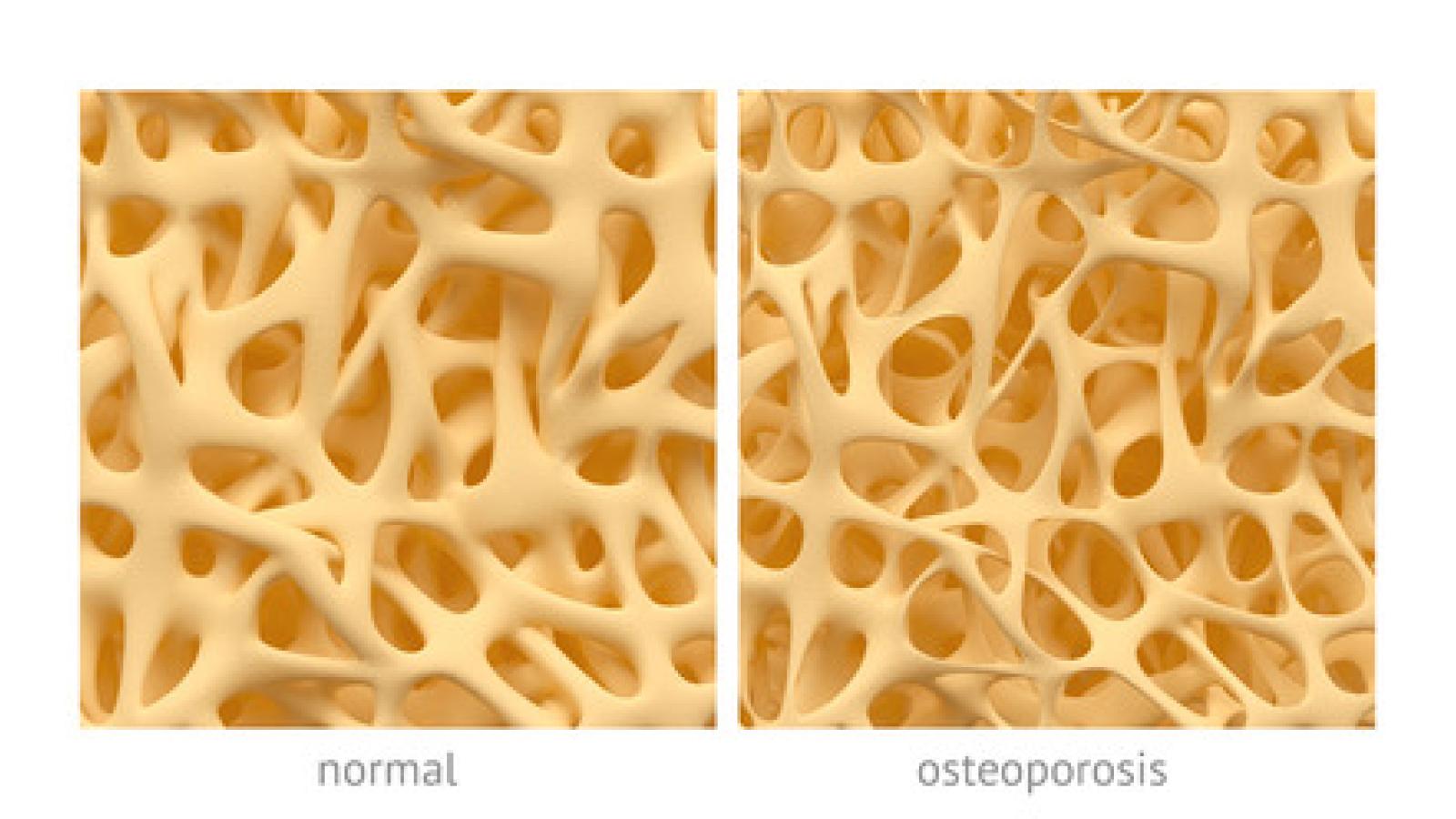
The STRUCTURE trial results have been reported in Lancet and have shown that after 12 months of therapy, romosozumab (ROMO) had superior gains in bone mineral density (BMD) compared to teriparatide (TER) in women with postmenopausal osteoporosis who have previously taken bisphosphonate therapy.

Patients with systemic lupus erythematosus (SLE) incur substantial morbidity and complications that may lead to hospitalizations and increased cost of lupus care. Researchers from the University Health Network in Toronto have published a review of SLE hospitalizations showing thta while commone (for either infection or lupus activity), only 2.8% of hospitalizations resulted in death.

