

Dr. Jack Cush highlights the big stories, news and articles from this week at RheumNow.com.

Adalimumab is currently FDA approved for use in adult psoriasis, pediatric Crohn's disease and polyarticular juvenile idiopathic arthritis. The current Lancet trial assesses the efficacy and safety of adalimumab in children and adolescents with severe plaque psoriasis.

Using data from Canadian and European healthcare databases, the BMJ has reported that all NSAIDs, including celecoxib and naproxen, increase the risk of acute myocardial infarction.
While the recent 24,081 patient PRECISION study showed noninferiority between celecoxib, naproxen and ibuprofen with regard to CV risk, that study did not include a placebo arm.

One-third of newly approved drugs in the next decade will require new safety warnings based on pharmacovigilance, according to a new study in JAMA. (Citation Source: http://buff.ly/2r3dYUs)
An analysis by the Food and Drug Administration (FDA), looked at all 222 prescription drugs (183 pharmaceuticals and 39 biologics) approved between 2001 through 2010.

Mortality remains high in patients with the types of vasculitis that are associated with the presence of antineutrophil cytoplasmic antibodies (ANCA), a meta-analysis in Annals of the Rheumatic Diseases determined.

Claims data analysis of 4245 psoriatic arthritis patients on TNF inhibitors showed both higher than expected durations of noncompliance and higher than label dosing - all at an increased cost.

The American College of Physicians (ACP) has updated its 2008 clincial practice guideline on the treatment of low bone density and osteoporosis to prevent fractures in men and women. The new guideline is in favor of generic bisphosphonate use and recommends against using menopausal estrogen therapy and against DEXA monitoring during the first 5 years.
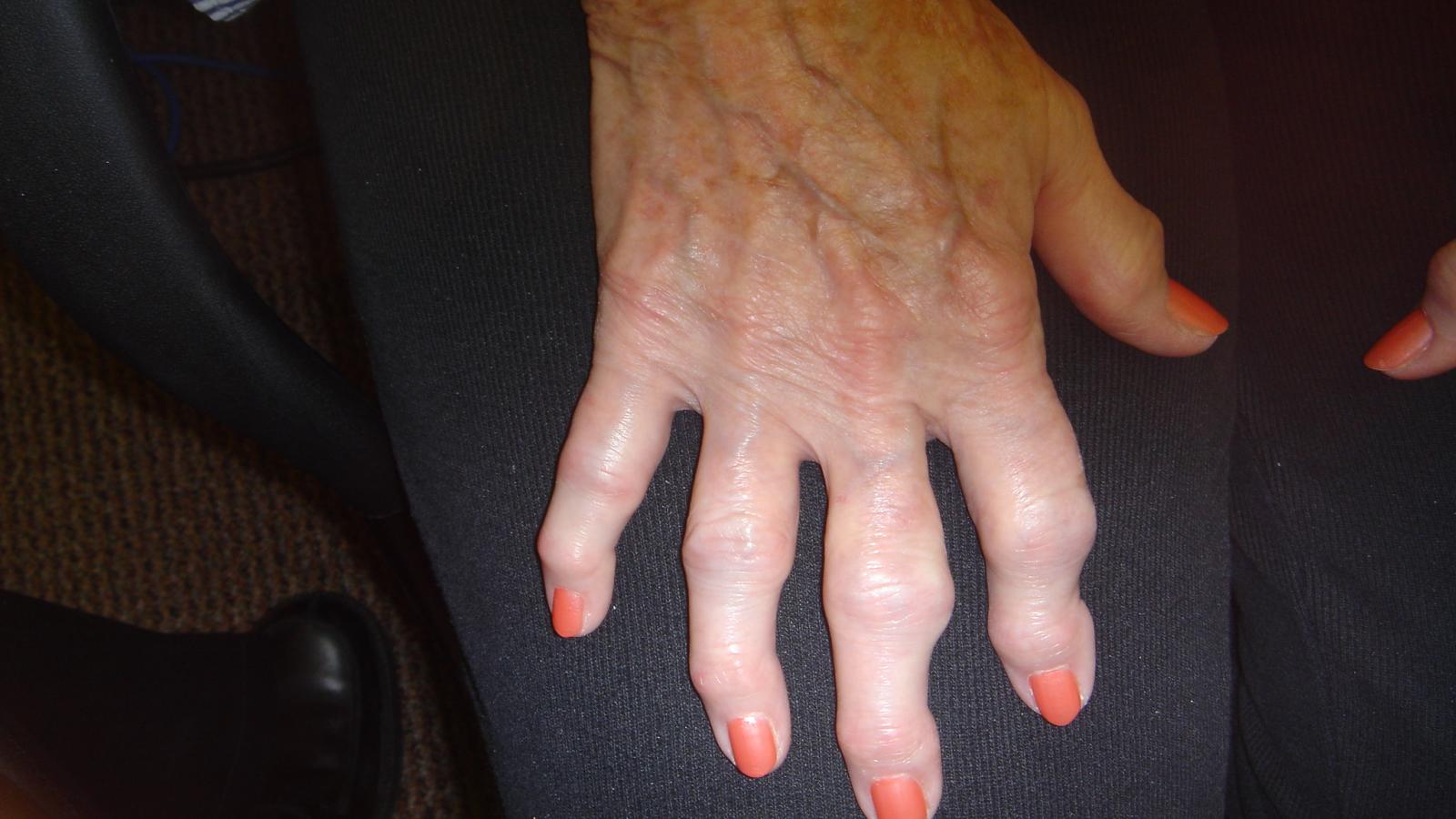
Qin and colleagues have published in Arthritis & Rheumatology that 40% of people will be affected by symptomatic osteoarthritis in at least one hand. (Citation source: http://buff.ly/2qTUscZ)

Dr. Nancy Lane answers questions about the intake of Calcium, Vitamin D and the cardiovascular risk of supplemental calcium.

A population based study from Taiwan examined the frequencies of comorbidities in a rheumatoid arthritis (RA) population.Using the 2010-2012 Korea National Health and Nutrition Examination Survey (KNHANES), researchers determined the weighted prevalence and odds ratio (OR) of comorbidities from a population of 37,453,158) wherin the prevalence of RA was 1.5%.
Dr Jack Cush reviews highlights from the news last week on RheumNow.com:

Reuters has reported that U.S.spending on prescription drugs in 2016 increased by 5.8 percent over 2015 levels to $450 billion based on list prices, and by 4.8 percent to $323 billion when adjusted for discounts and rebates.
A forecast from Quintiles/IMS indicates that the cost of prescription medicines in the United States will increase 4-7 percent through 2021, reaching nearly $600 billion.

Tofacitinib is currently approved for use in rheumatoid arthritis, but is being studied in numerous other inflammatory conditons including spondylitis, psoriasis, and psoriatic arthritis, and has also been studied in patients with ulcerative colitis (UC).
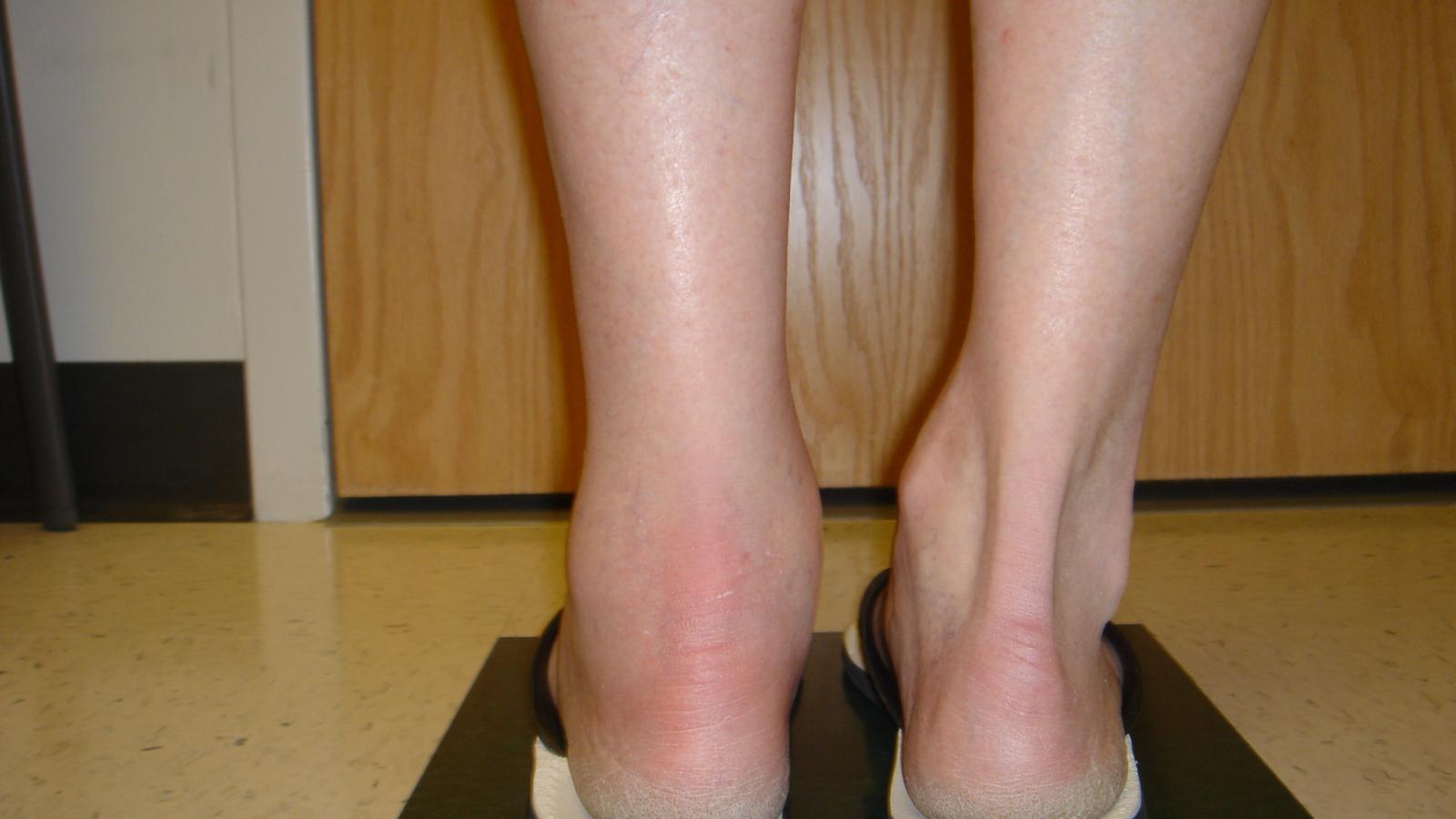
Enthesitis-related arthritis (ERA) is an emerging subset of juvenile idiopathic arthritis (JIA) recognized for its distinctive clinical characteristics. ILAR has defined criteria for ERA and Gmuca and colleagues have performed a cross-sectional, multicenter analysis of ERA patients seen between 1989 and 2012.
A retrospective analysis of four European vasculitis trials analyzes the risk venous thromboembolism (VTE) with ANCA-associated vasculitis and shows that CRP, cutaneous and GI involvement and baseline creatinine were most associated with VTE risk.

