
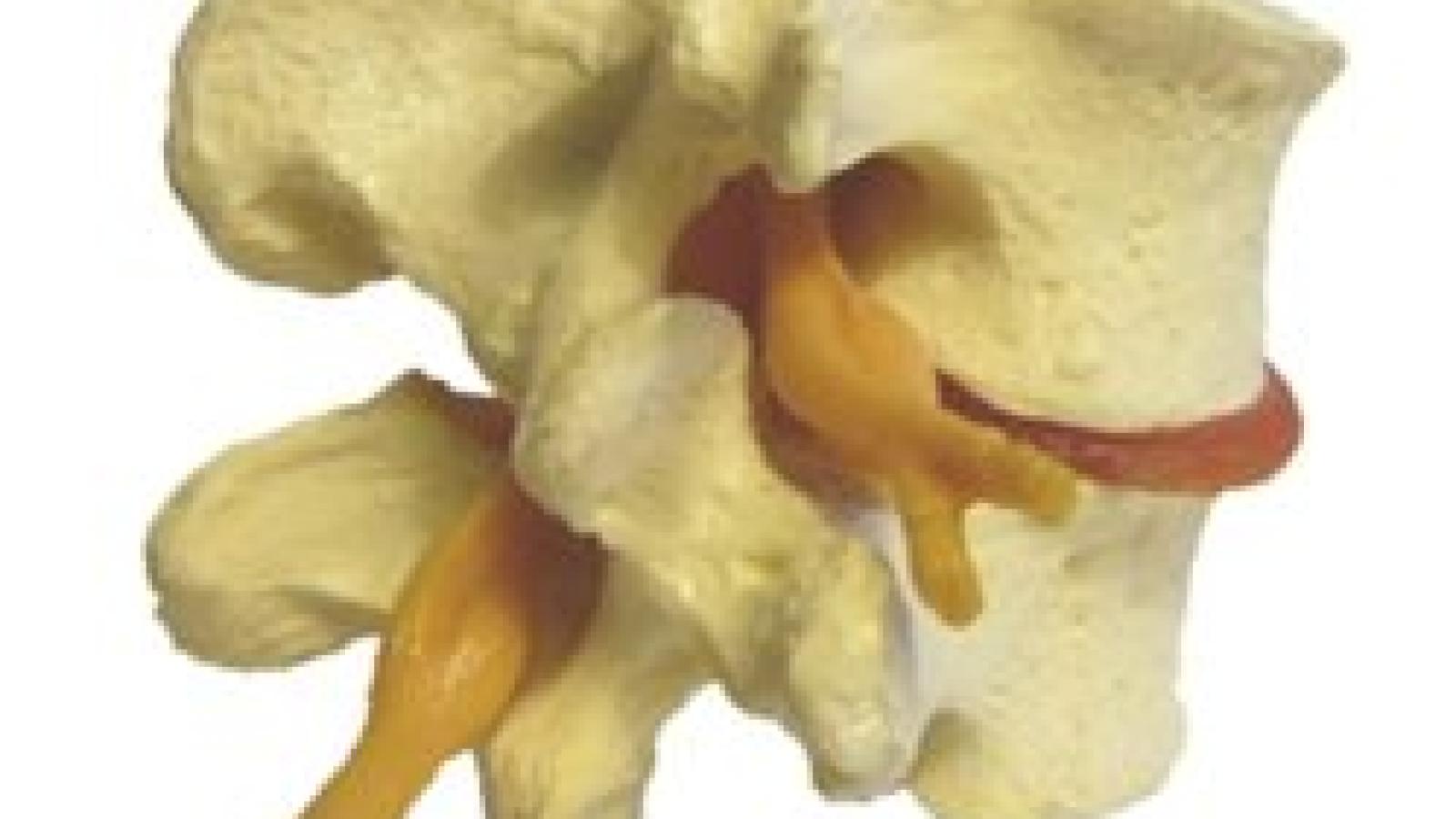
A a randomized trial published in Annals of Internal Medicine shows that intradiscal glucocorticoid injection has limited (1 month) efficacy in treating low back pain (LBP) associated with active discopathy, yet decreased over time.
Clinical Rheumatology reports that the repeated intravenous administration of gadolinium-based contrast agents (GBCAs), although clinically useful, may be associated with rare toxicity and the uncertain clinical effects of accumulation.
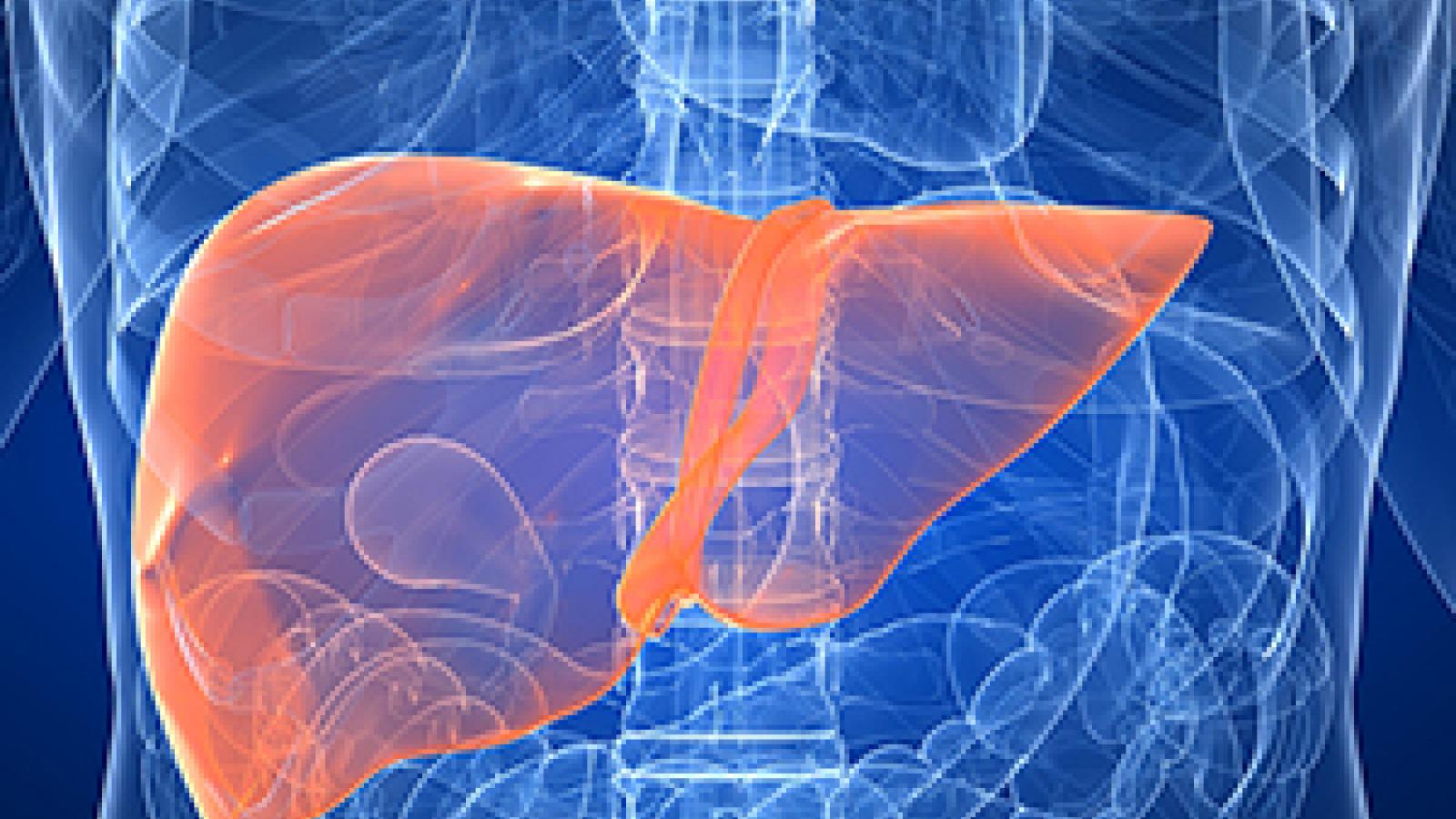
SLE-related hepatitis (“lupus hepatitis”) and “lupoid hepatitis” are 2 different diseases. The term "lupoid hepatitis", now known as autoimmune hepatitis (AIH), was first coined in 1959. AIH was initially called “lupoid hepatitis” by MacKay. A review by Adiga and Nugent reviews, defines and distinguishes between lupus-related hepatitis and lupoid hepatitis.
A French population based study of ankylosing spondylitis (AS) was report in the Journal of Rheumatology.
They analyzed the death certificates and cause of death in 2940 AS patients over 3 different decades (1969-78; 1979-99; 2000-2009).
The mortality rate of AS remained stable over time.

Calabrese and Velcheti have reviewed the current understanding that underlies a new drug-induced rheumatic disease - checkpoint inhibitor arthritis and autoimmune disease.

Dr. Sharad Lakhanpal, MBBS, MD, President of the American College of Rheumatology (ACR) has issued a press release condeming the insufficiencies of the newly proposed American Health Care Act (AHCA).

Dr. Jack Cush reviews highlights in the news from the past week at RheumNow.com. News on hepatitis C in RA and risk of hepatotoxicity; TNF inhibitor persistence in PsA; unnecessary injections in pre-operative OA knee patients; and a delay in the FDA decision on abaloparatide.

In January 2017, the Food and Drug Administration (FDA) released its draft guidance on the issue of interchangeability between biosimilars and originator biologic drugs. The window for your input will close on May 18, 2017. RheumNow encourages you to participate in this exercise and express your opinion.
The March 2017 issue of the ACP Internist has reviewed the ubiquitous practice of medication adherence.

CNN has reported that changes in immigration policies is but one of many factors that may add to an existing doctor shortage. This and other events now begs the the question, why the federal government doesn't train more doctors in the US?Currently there are funding limits to federal funding of medical residency programs,that have been capped by the 1997 Balanced Budget Act, and primarily financed by Medicare (~$10 billion).
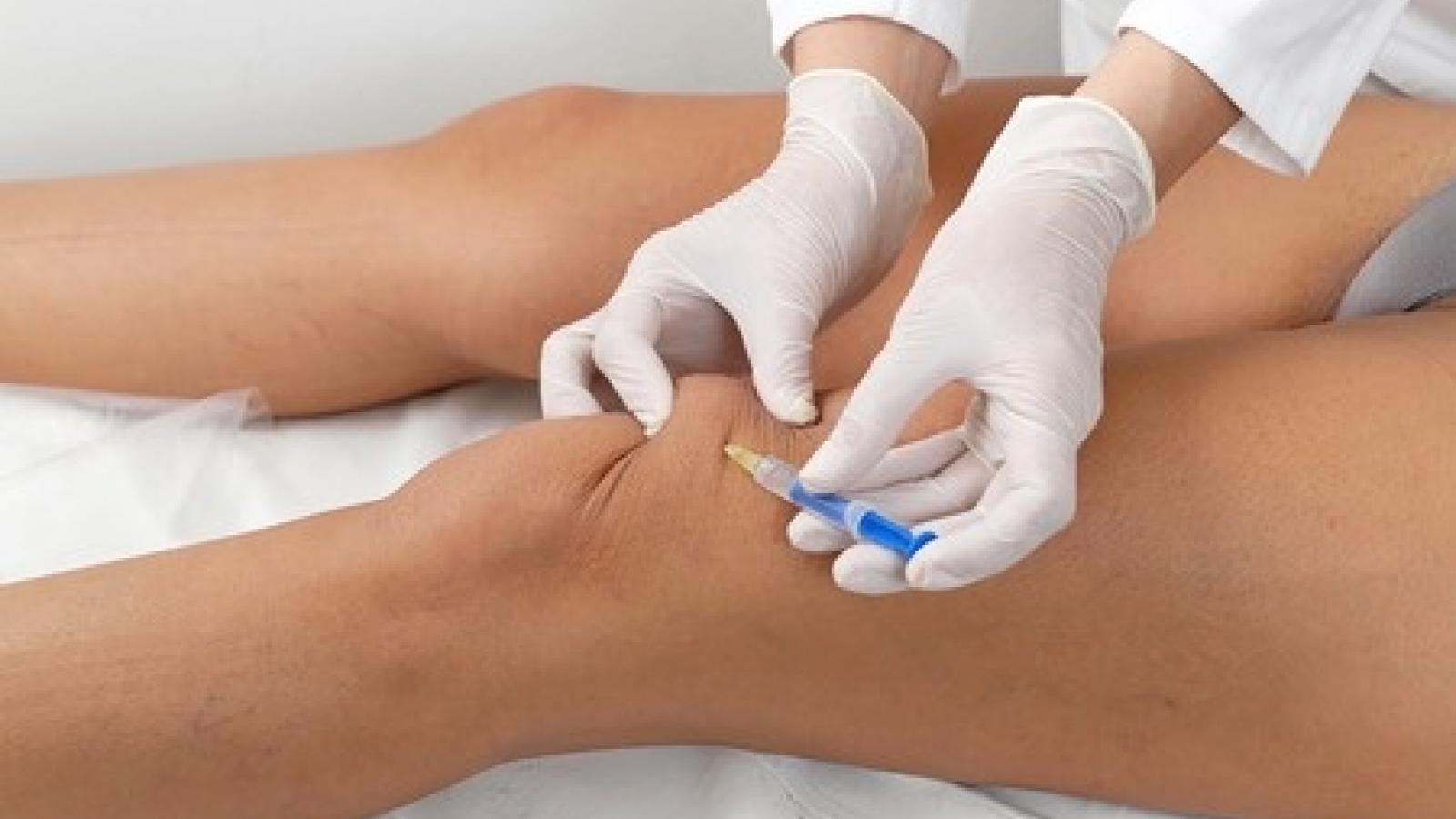
The American Academy of Orthopaedic Surgeons announced five measures that inappropriately increase costs in those undergoing total knee replacement (TKR). Data was presented yesterday at the annual 2017 AAOS Annual Meeting in San Diego.
They stated that in the year prior to TKR, almost one-third of the costs for treatment of arthritis symptoms went toward strategies not recommended by the AAOS,
I had dinner about a month ago in Phoenix with Peter Lipsky, an icon in rheumatology and who requires no introduction to my readers, where we discussed a rambling number of topics both rheumatologic (hence, the experience does qualify for a blog!) and non-rheumatologic.

The ACGME has revised its traing guidelines such that, starting July 1st, new interns are allowed to work shifts lasting as long as 24 hours, and as much as 28 hours according to a recent New York Times article.
The current limts of 16 hours has been in place since the Libby Zion case 3 decades ago, when it was presumed exhausted and inexperienced young doctors were more likely to make medical errors.
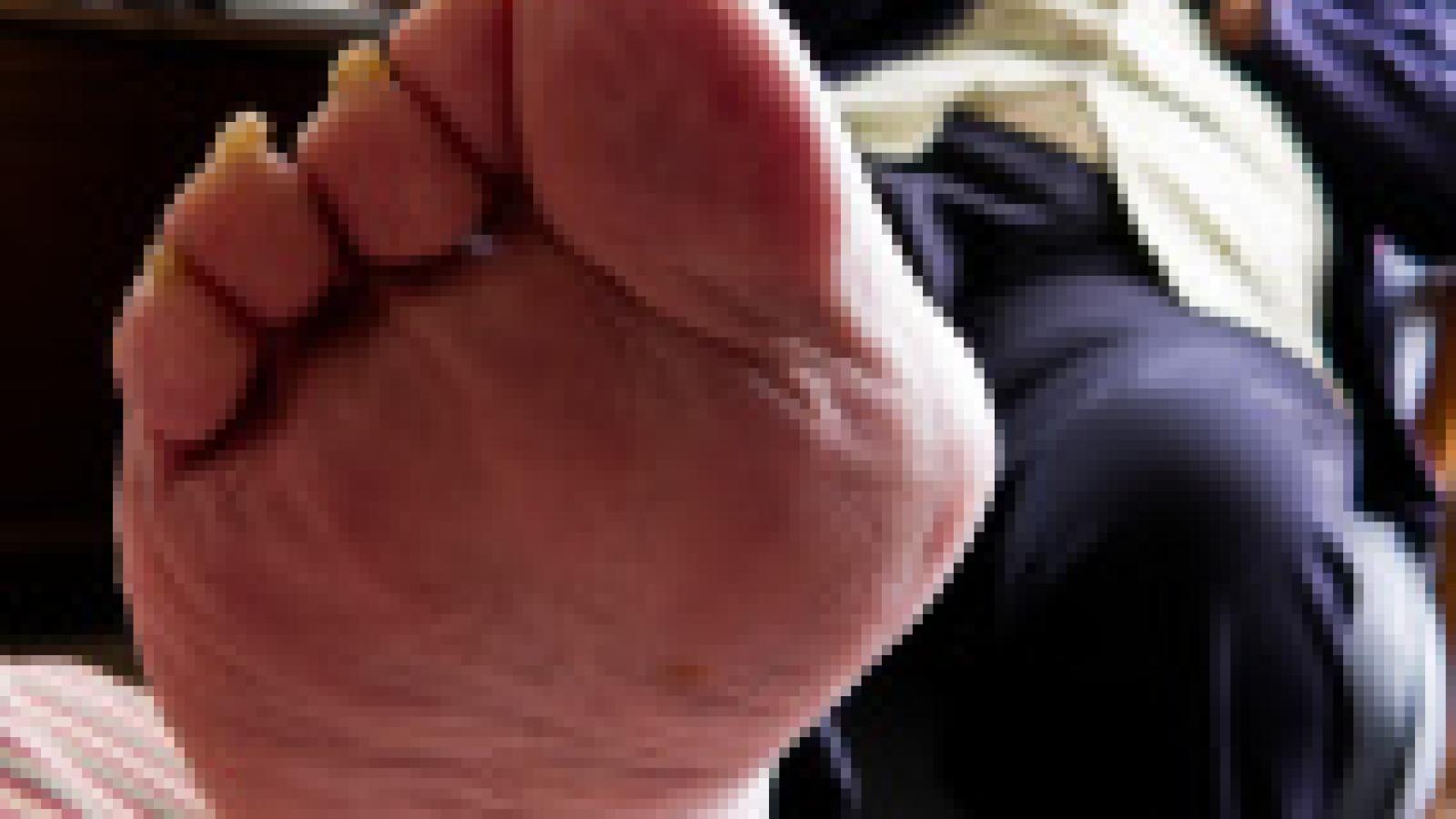
Most physicians believe they understand and can manage gout. Yet, the number of gout patients has risen at an alarming rate and the introduction of 4 new drugs has done little to close the education gap and improve the care and outcomes of gout patients. Misuse, misunderstandings and missed opportunities abound in the wide world of gout.

Treat-to-target (T2T) works when they are pragmatic and conform well to daily practice.
Gout is an ideal therapeutic area where T2T could be and should be applied.

