
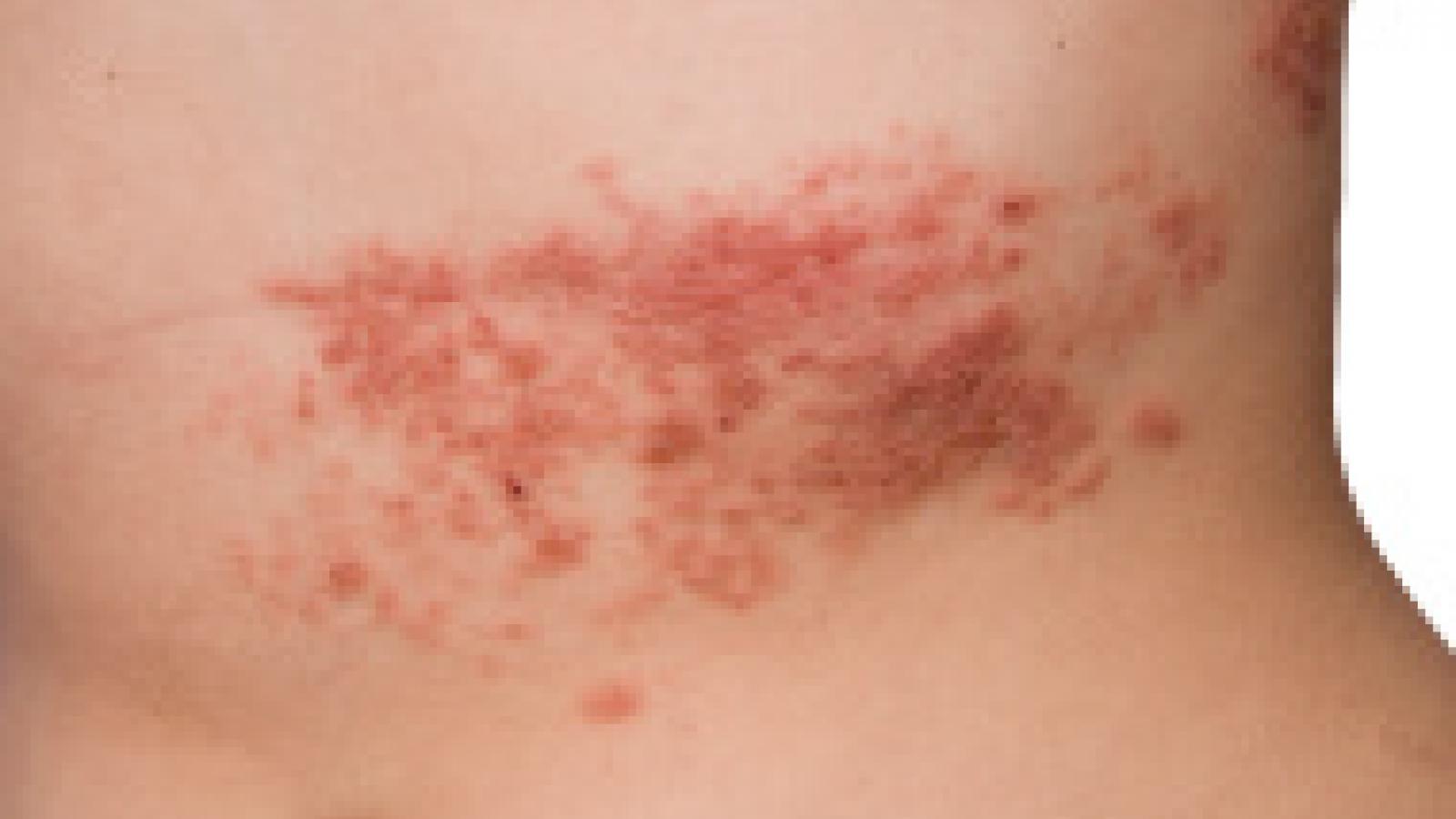
In November I reported on an abstract presented at ACR by Muratore, et al. who looked for evidence of VZV infection in temporal artery biopsies of GCA patients and found none. This was one of many abstracts exploring the possible role association of herpes zoster with GCA, a long-debated topic, and it seems that the debate continues.
I’m sitting with a patient discussing moving to an advanced therapeutic (i.e., medication that costs a lot of money). I started thinking about what I would choose and given my busy lifestyle a quick injection or tablet would seem preferable to an intravenous infusion. I assume that my patients are probably like me and would make similar choices. I am a little taken aback when this patient chooses an IV medication. She tells me her rationale in

WASHINGTON -- Rheumatoid arthritis is a recognized risk factor for heart attacks and stroke, but a study comparing two leading biologics found only a non-significant increase in relative risk for patients treated with toclizimab (Actemra) vs etanercept (Enbrel), researchers reported here.

A study by the American College of Physicians (ACP) found that physicians continue to prescribe treatments that offer little benefit to patients, despite the advice of clinical guidelines. Overuse of antibiotics, aggressive non-palliative treatment in patients with limited life expectancy, treatment of chronic pain, and dietary supplements may be the most frequently used low value treatment interventions used by doctors.
In my last article, I said that coffee, not wine, would be the libation of choice for rheumatologists. Why coffee? you may ask. After all, the language of coffee is not dissimilar to that of wine and writers of coffee (as well as the label descriptions) use the same vocabulary and analogies as does the writing about wine. Often, from the description-with words like spice, cocoa or nuts-it is not clear whether the beverage is a Cotes-de-Rhone
The EXXELERATE study is featured prominently in Lancet this week. In some ways, this represents a landmark negative trial that rheumatologists should review and be aware of.
In my experience, rheumatologists are very fine people. Since they are cognitive specialists, they are scholarly, thoughtful and prudent. Furthermore, they are sensitive to the vicissitudes of human existence. Rheumatology is probably the first subspecialty to consider the impact of a chronic painful illness on the spirit and soul and emphasize quality of life as an outcome. Seeking wisdom and knowledge from great minds, rheumatologists are also

Tofacitinib may well be joined by a new once daily JAK inhibitor, baricitinib in the next few months.

Dr. Cush highlights reports from this week on RheumNow.com.

The 21st Century Cures Act has become one of the most-lobbied health care bills in recent history, with nearly a half billion dollars being spent on both sides - those for and against the bill.
The bill is supposed to streamline the approval process of prescription drugs and medical devices by the FDA.
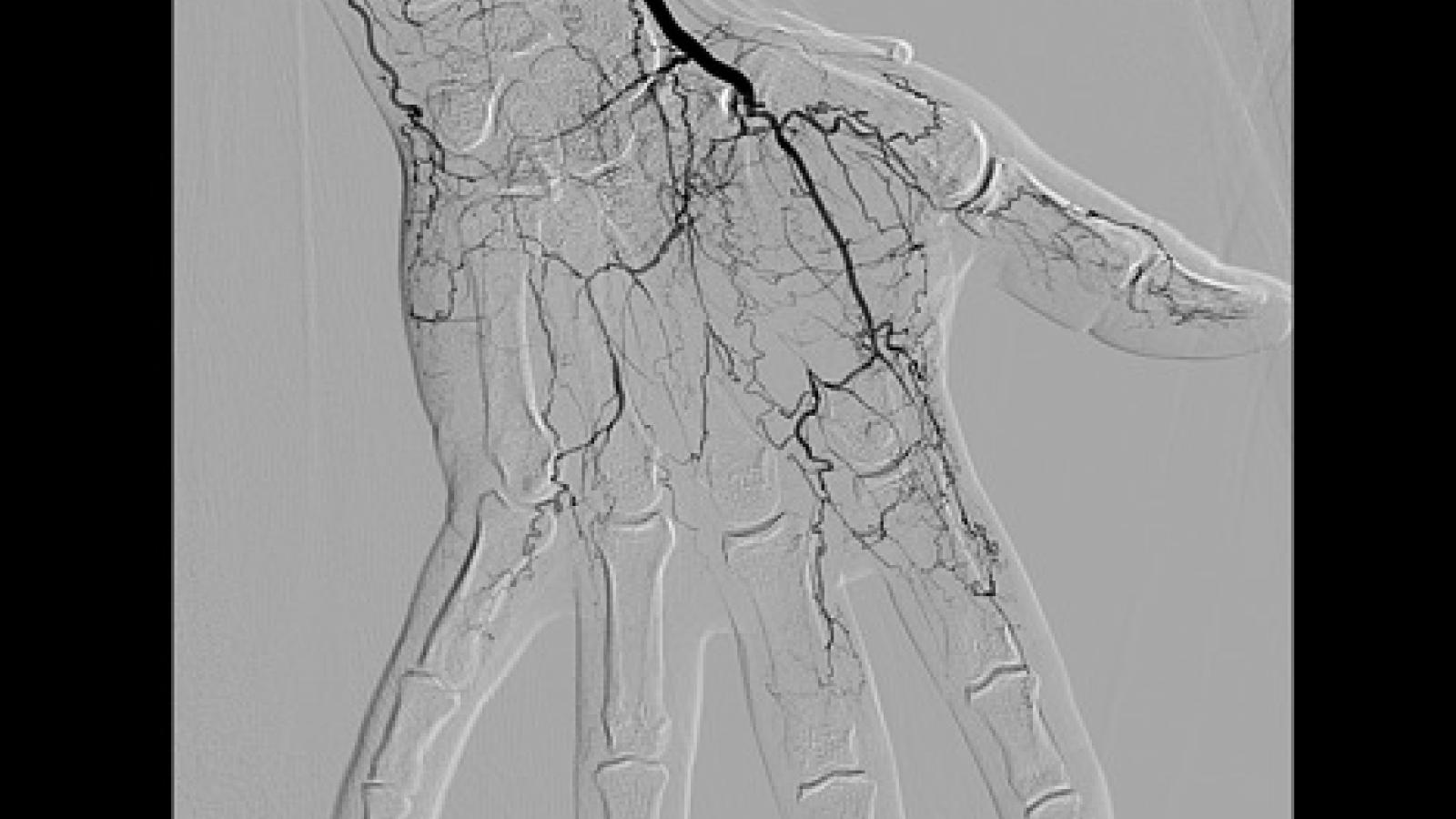
Following the November elections, there are now 29 states and the District of Columbia that have legalized marijuana (aka cannabis) for medical use. Of these, eight states and the District of Columbia have also approved laws legalizing marijuana for recreational use. Regardless of the stated benefits associated with marijuana use, there are potential health risks. One of these which rheumatologists may see more of in the future is cannabis
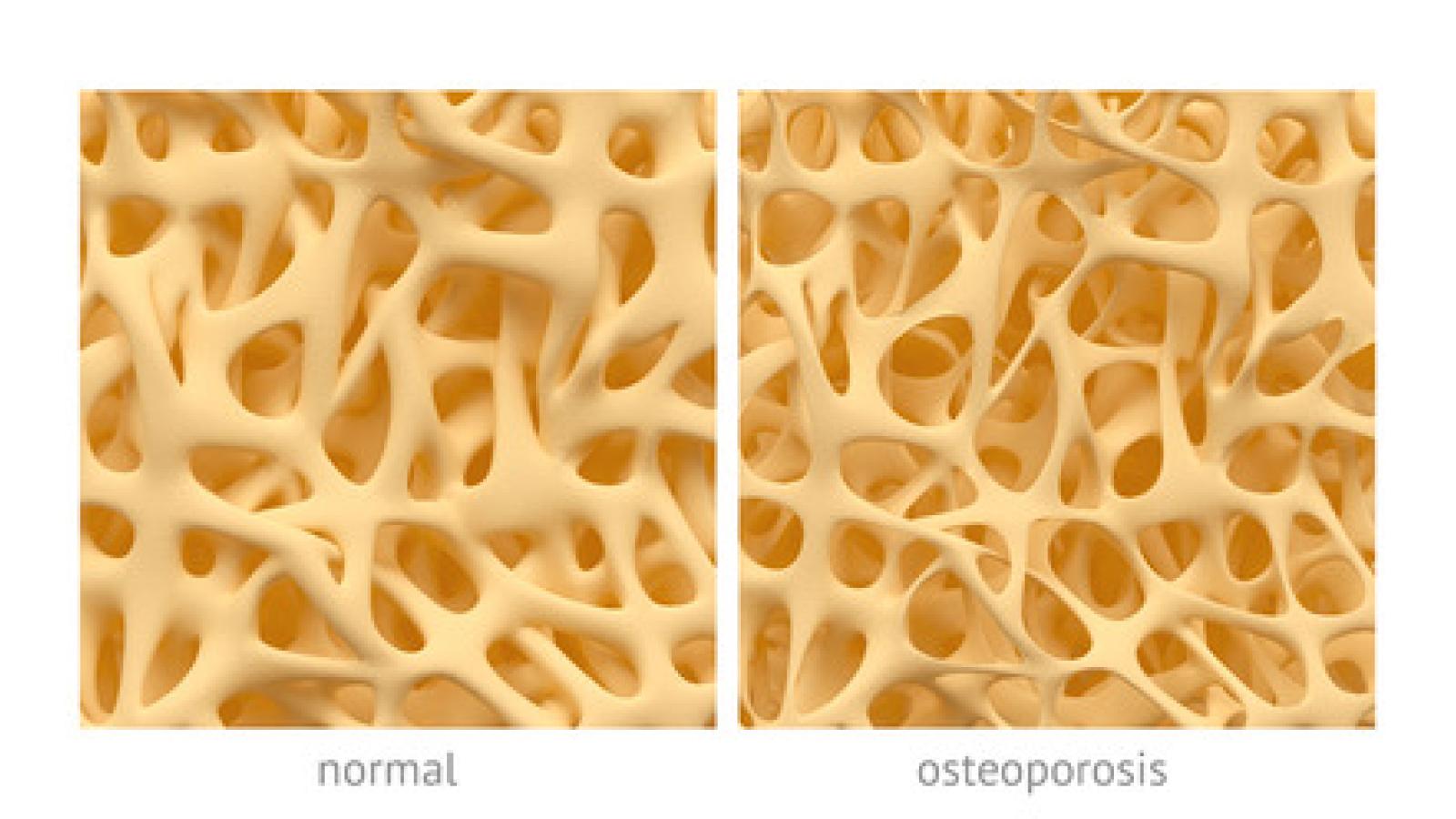
Can statins be used to treat osteoporosis?
Osteoporosis is a major health problem worldwide.
Many readers of RheumNow know of my interest in the history of our discipline, and some of the writings and discoveries which have resulted from them. In the past three years, I have had the opportunity to explore the contributions of Max Hirsch, MD to our field.

Investigators analyzed a prospective study of patients with early axial spondyloarthritis (axSpA) to assess predictors of outcome.
Poddubnyy and coworkers studied 178 patients with definite axSpA and serially assessed disease activity using the Ankylosing Spondylitis Disease Activity Score (ASDAS) and radiographs to detect spinal progression.

You should use this information to not only fend for yourself, but to more accurately guide trainees into a richly rewarding specialty that pays well and has many distinctions to boast of, including high science, hands-on patient interactions and long-term relationships, great hours, lifestyle and family friendly careers. Our field is in desperate need of high quality, problem-solving practitioners.

