
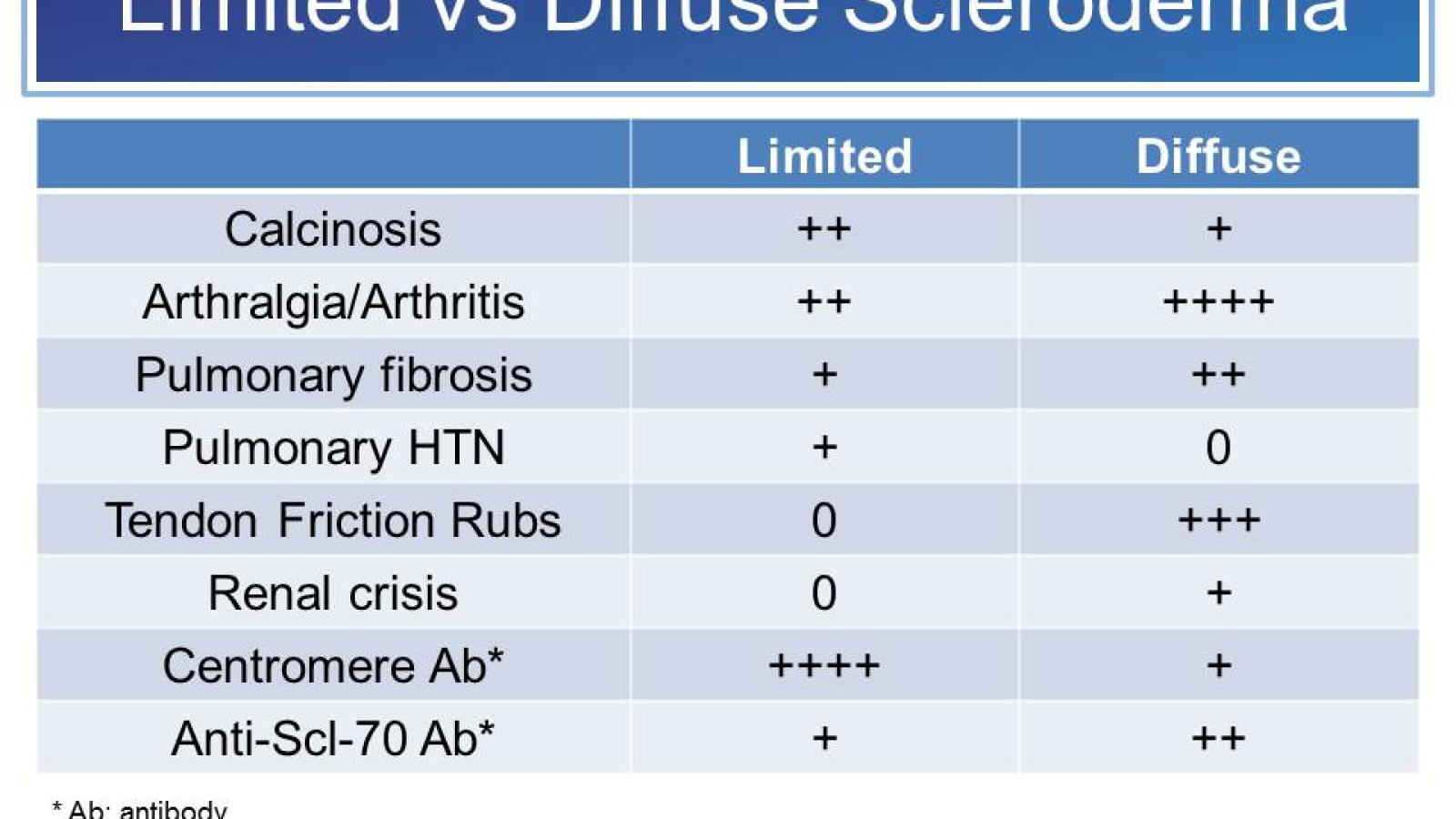
Diffuse cutaneous systemic sclerosis (dcSSc) is one of the most difficult autoimmune diseases to treat. In case of major organ involvement (lung, kidney), prognosis is poor and treatment options are limited.The Cyclophosphamide Or Transplantation (SCOT) multicenter trial was designed to evaluate for long term benefit of myeloablative autologous HSCT over CYC.
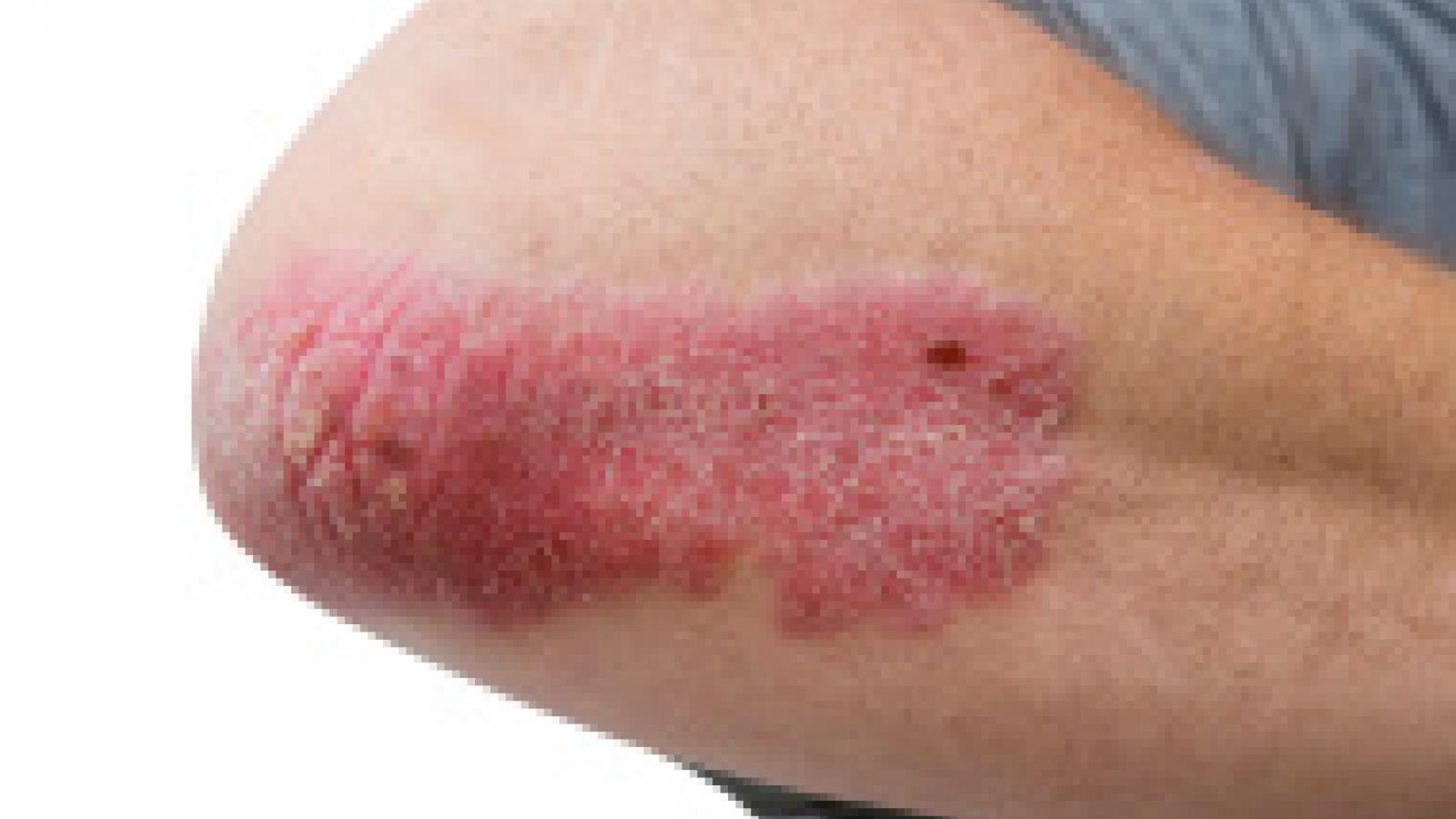
New treatment options for psoriatic arthritis continue to be explored at this year’s ACR/ARHP Annual Meeting in Washington, DC. Guselkumab (GUS) is a fully human monoclonal antibody against the p19 subunit of IL-23.
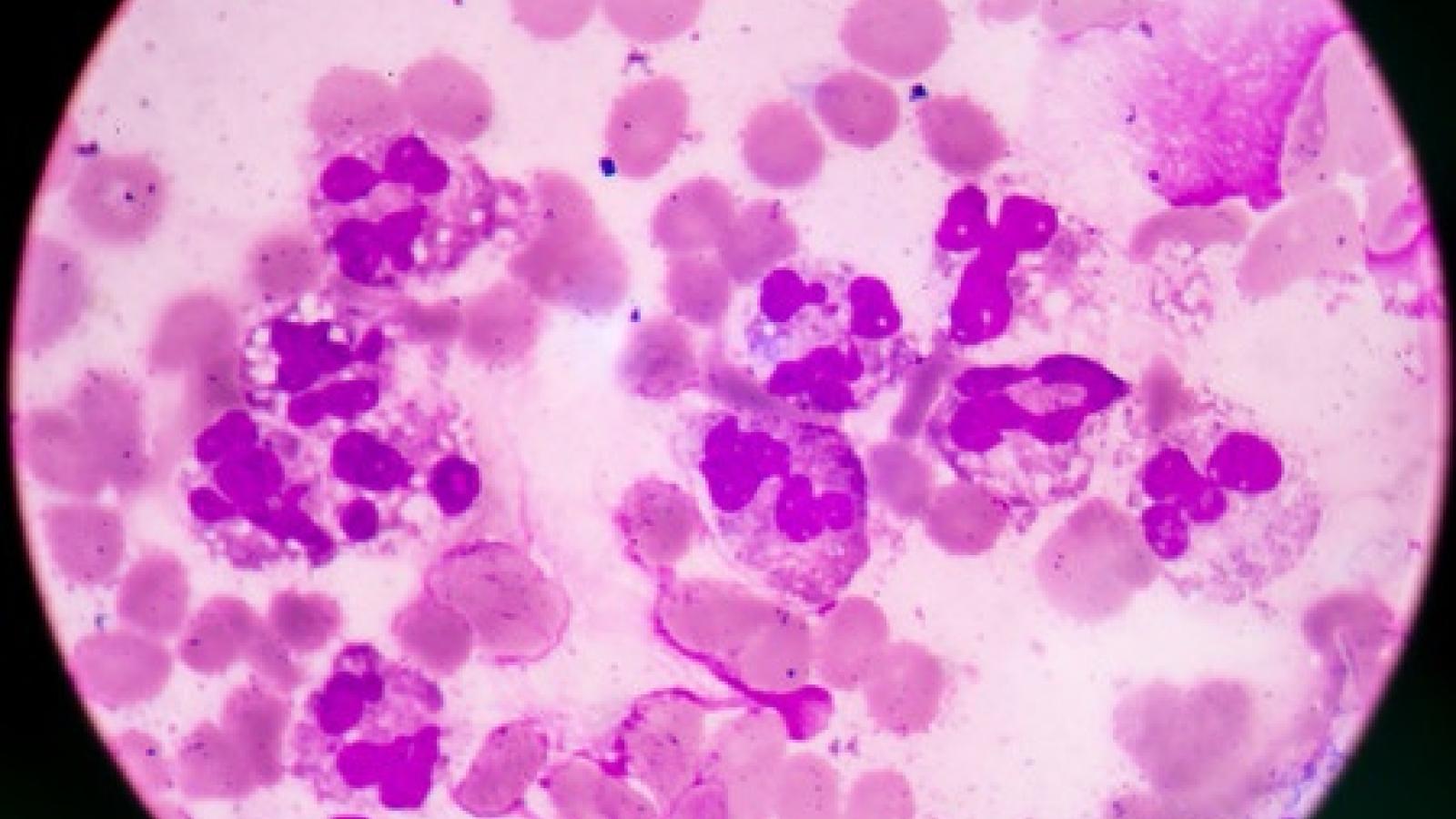
Tocilizumab is in the spotlight at this year’s ACR 2016 meeting but there is still much to learn, including more about its safety profile. In an abstract presented at today’s poster session (Abstract 2618), Morel, et al.

Big highlights from Monday included the Hench Lecture, plenary session abstracts and presentations on drug safety and cost efficacy in rheumatoid arthritis.
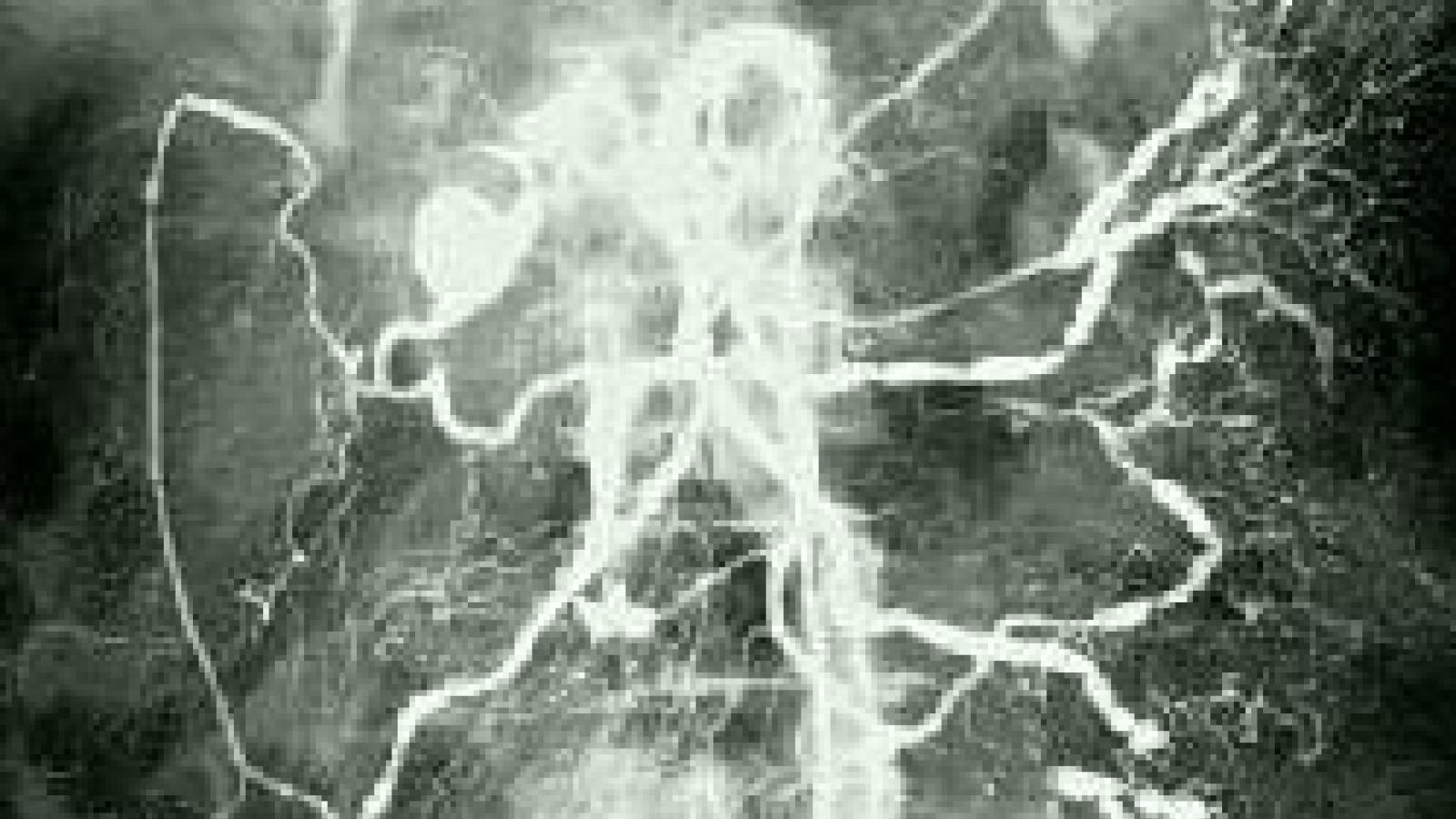
It is well known that ANCA-associated vasculitides can be hard to control and relapses are common. The choice of maintenance therapy is rather limited and therapies are not always effective.
In the past, the randomized controlled prospective MAINRISTAN trial demonstrated superiority of rituxan (RTX) over azathioprine for maintenance of remission at 22 months in patients with ANCA-associated vasculitis after CYC remission induction.
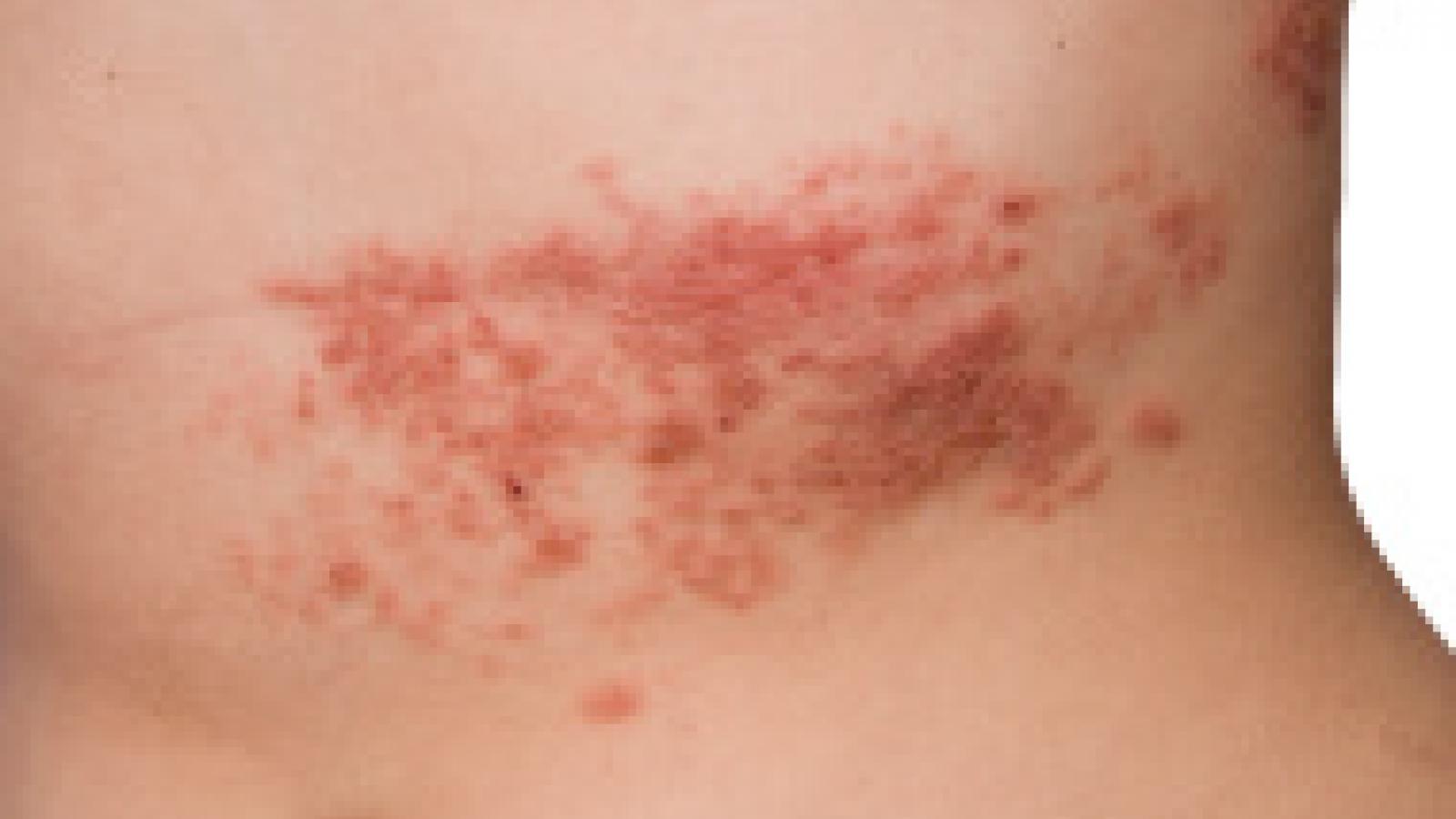
The potential association of herpes zoster with giant cell arteritis (GCA) has been a debated topic and certainly has gotten some attention at ACR 2016 this year.

Education on MACRA is the key to successful survival. The important take home points noted in Dr. Will Harvey’s lecture at ACR 2016 (session title: Holy MACRA! How to Survive and Thrive in the New Era of MACRA, MIPS, and APMs) are stated below.

The annual ACR meeting began last night with a number of famed rheumatologists being inducted as ACR Masters.

CORRONA, America's largest registry, has numerous presentations for this year's annual ACR/ARHP meeting. See below for the expanse of efficacy and safety issues covered by CORRONA investigators.

On Monday, November 13, there were two new presentations at the annual ACR 2016 meeting on new biologics seeking approval for use in polyarticular juvenile arthritis.
While both abatacept (ABA) and certolizumab (CZP) are currently FDA-approved for use in adult rheumatoid arthritis, further study is required before they can be considered in juvenile idiopathic arthritis (JIA).
Ixekinumab (IXE) is an IGG4 monoclonal antibody bindings with high affinity to IL -17A. Currently marketed at Taltz and approved for use in chronic plaque psoriasis, the agent is also being developed for use in psoriatic arthritis.
The opening day plenary session at ACR 2016 this morning featured John H. Stone, MD, presenting the much anticipated primary endpoint data from GiACTA, the phase III, double-blind, randomized, controlled trial of tocilizumab (TCZ) in patients with giant cell arteritis.
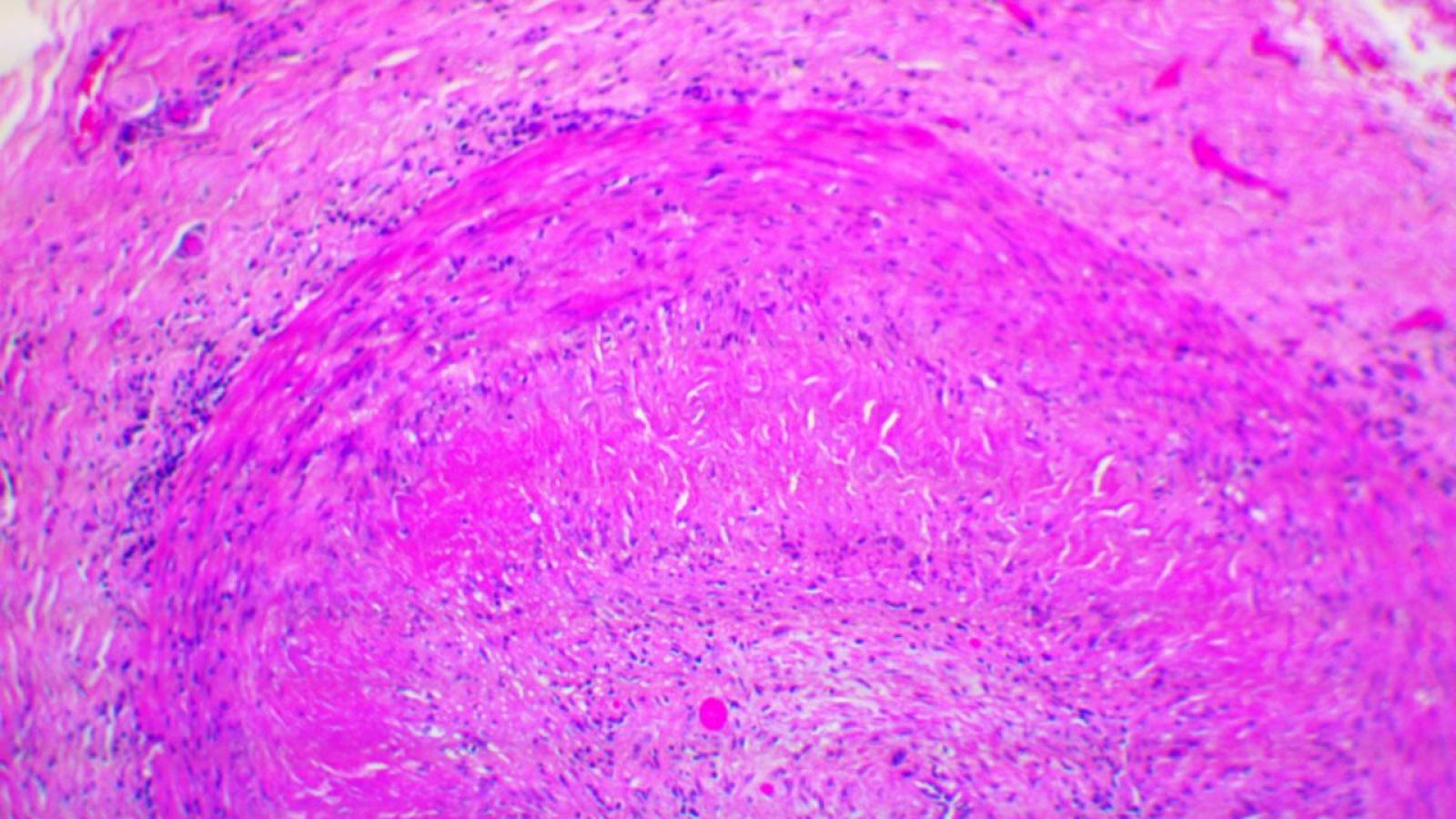
Treatment of giant cell arteritis with tocilizumab is a hot topic at this year’s ACR meeting and, while GiACTA data was promising, a Swiss study reported less-favorable results at the poster session this morning (Abstr

Why do diseases manifest in some family members but not in others? Antibodies can be found in patients who do not meet criteria for treatment, especially in first-degree relatives. Are these antibodies a predecessor for disease or merely a genetic marker without meaning? There remains dissention for how we need to monitor and care for these patients.
Dr Cush reviews highlights from this week on RheumNow.com

