
Highlights of Rheumatology news for the week ending 20 Feb 2016.
An emergency department based study evaluated the efficacy and safety of oral prednisolone versus indomethacin in 416 patients with acute gout in a multicenter, double-blind, randomized trial.
There were 376 patients who completed the 14-day study, and the primary outcome was pain by 100 mm visual analogue scale.

The following is a collection of cases presented to me by rheumatology colleagues. Each has a challenging therapeutic or safety issue. Answers are based on experience with references from literature and guidelines.
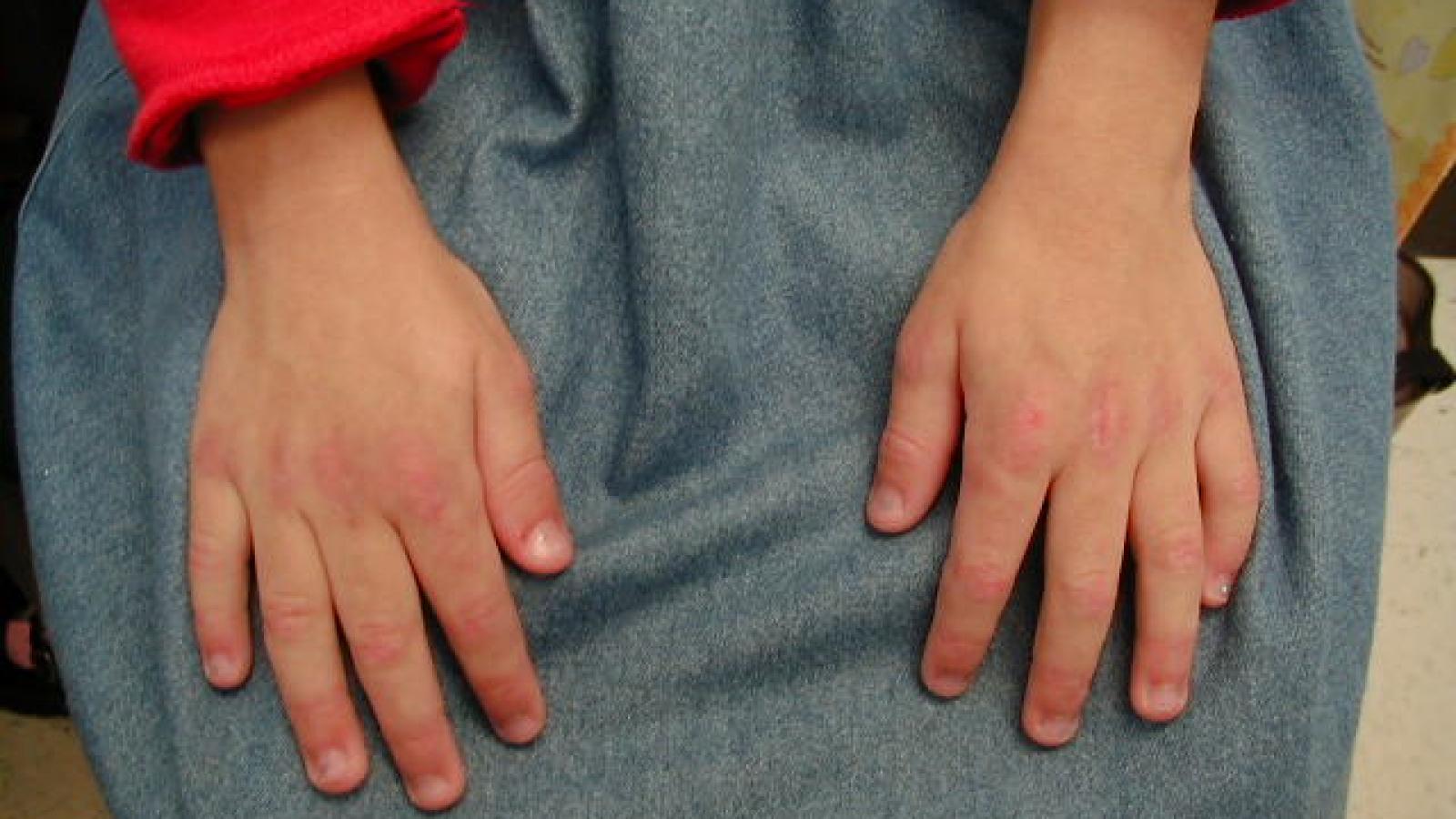
In the current issue of Lancet, Pierre Miossec discusses the challenges of studying and managing juvenile dermatomyositis and, specifically, the PRINTO trial (previously reported herein). This study demonstrated that combining prednisone with
Reuters reports that researchers at the University of Warwick have devised a new transdermal drug delivery patch that may change the future of pain management.
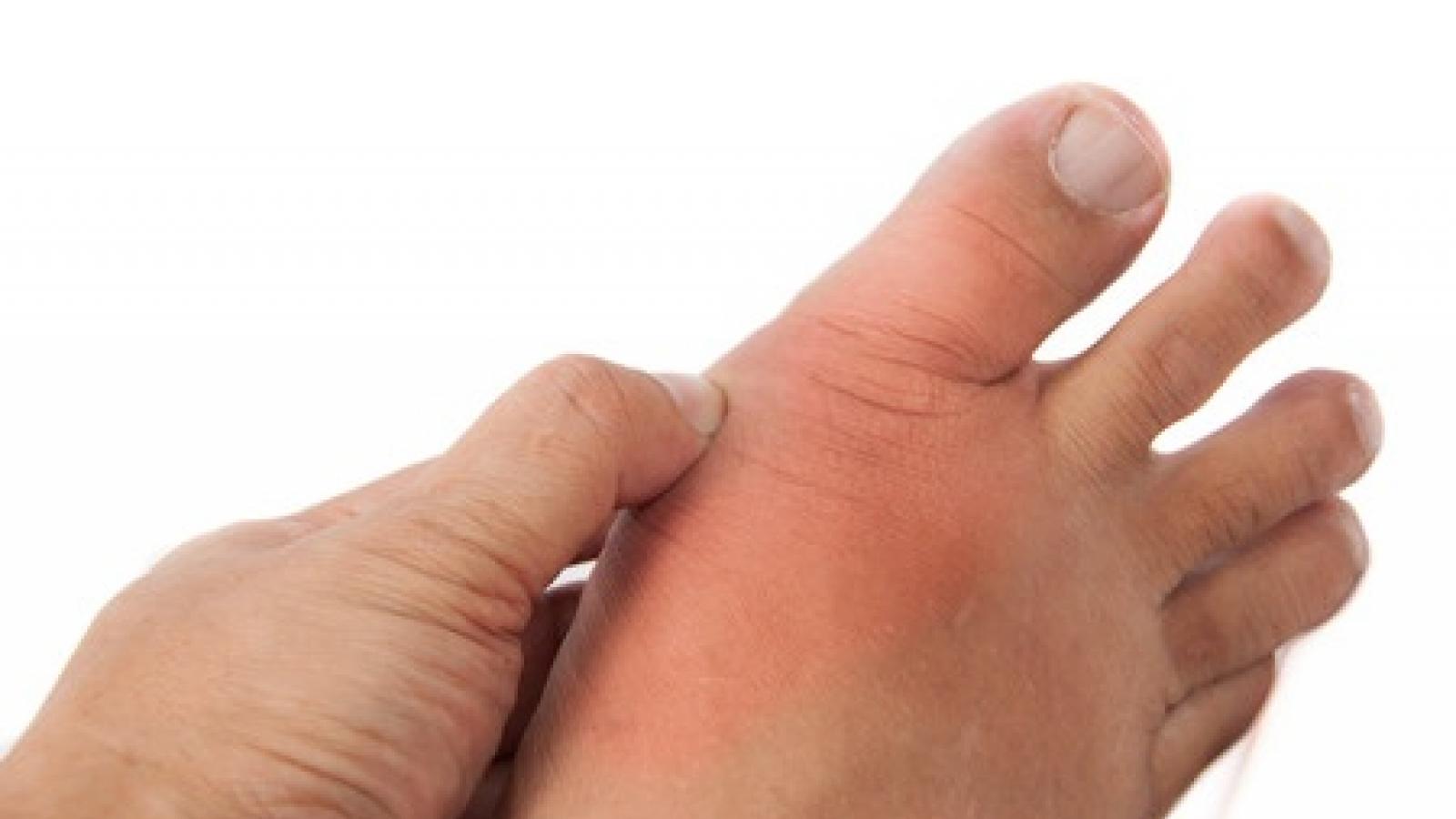
Renal impairment is a risk factor for gout and a barrier to optimal gout management. Many of the drugs used to treat gout require adjustment in those with renal disease.
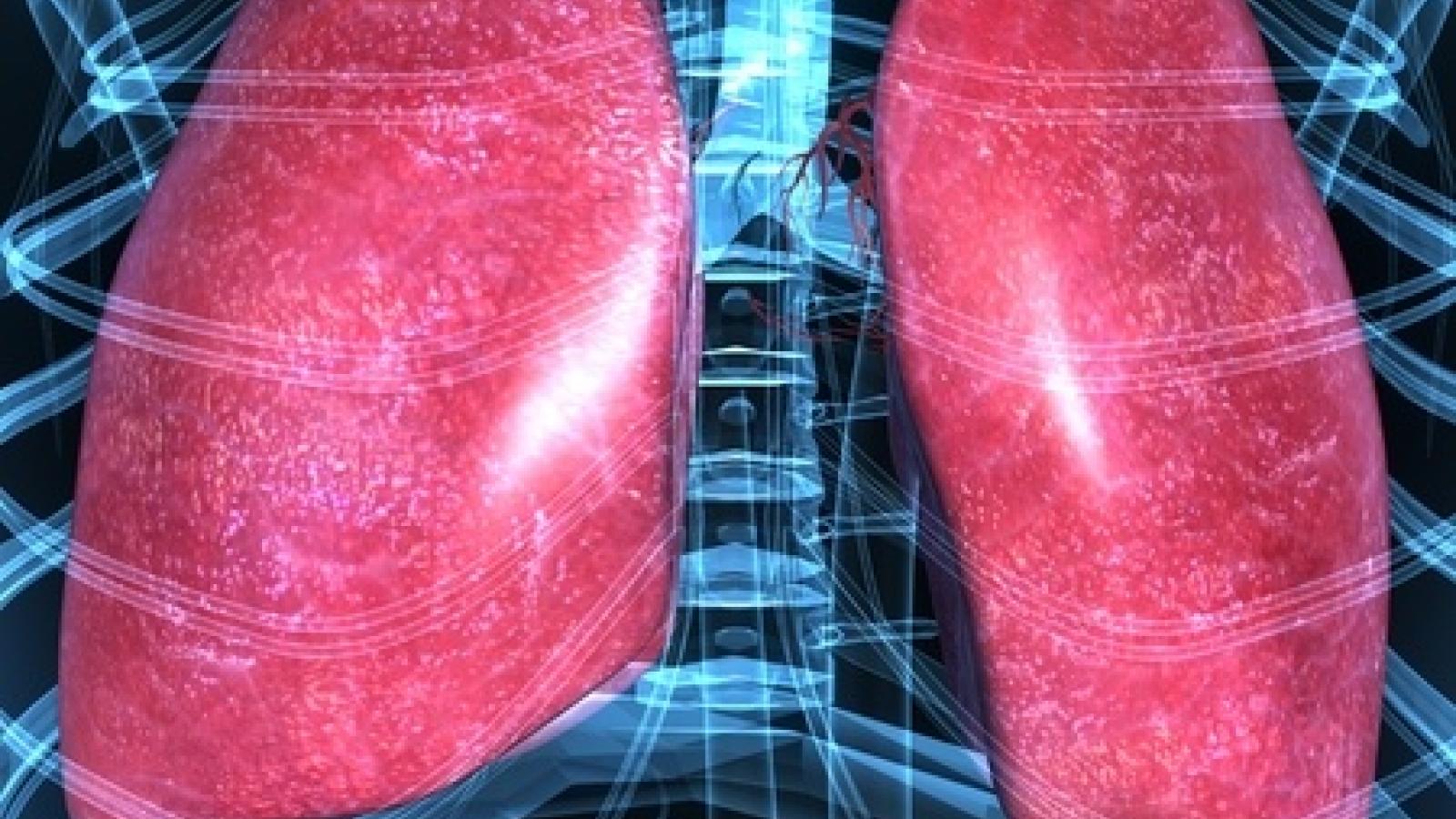
Pulmonary hypertension is an uncommon complication of systemic sclerosis (SSc) and historically thought to slowly evolve in those with limited scleroderma over many years.

Optimal sleep duration for adults is suppose to be 7 or more hours of sleep each night. Shorter sleep duration (7 hours per night) is associated with greater likelihoods of obesity, high blood pressure, diabetes, coronary heart disease, stroke, frequent mental distress, and death.
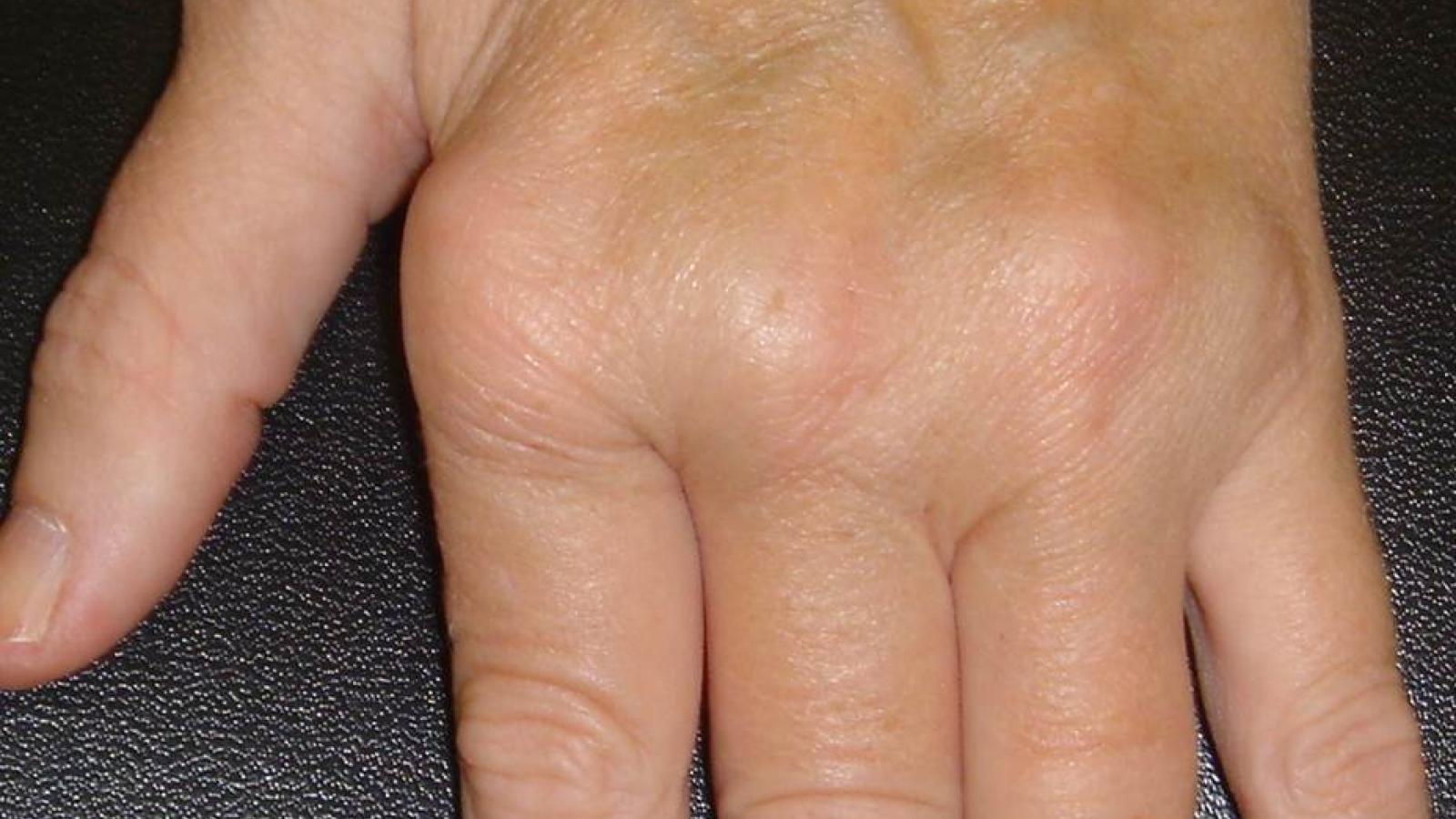
The risk of a flare increased by more than three-fold over 1 year when patients with longstanding rheumatoid arthritis (RA) in remission, or with stable low disease activity, stopped their anti-tumor necrosis factor (TNF) treatment, Dutch researchers reported.
Video highlights from last week's reports, news and tweets on RheumNow.com
CBC…it’s easy as 123! The complete blood count (aka, CBC) is the most routine, but indispensable, of all medical assessments. The CBC result can spark the diagnosis of infection, leukemia, ITP and Still’s disease. A measure of the vital cells that circulate, sustain and protect life, the CBC has become the (albeit mundane) pivotal gauge of wellness, drug safety or disease activity.
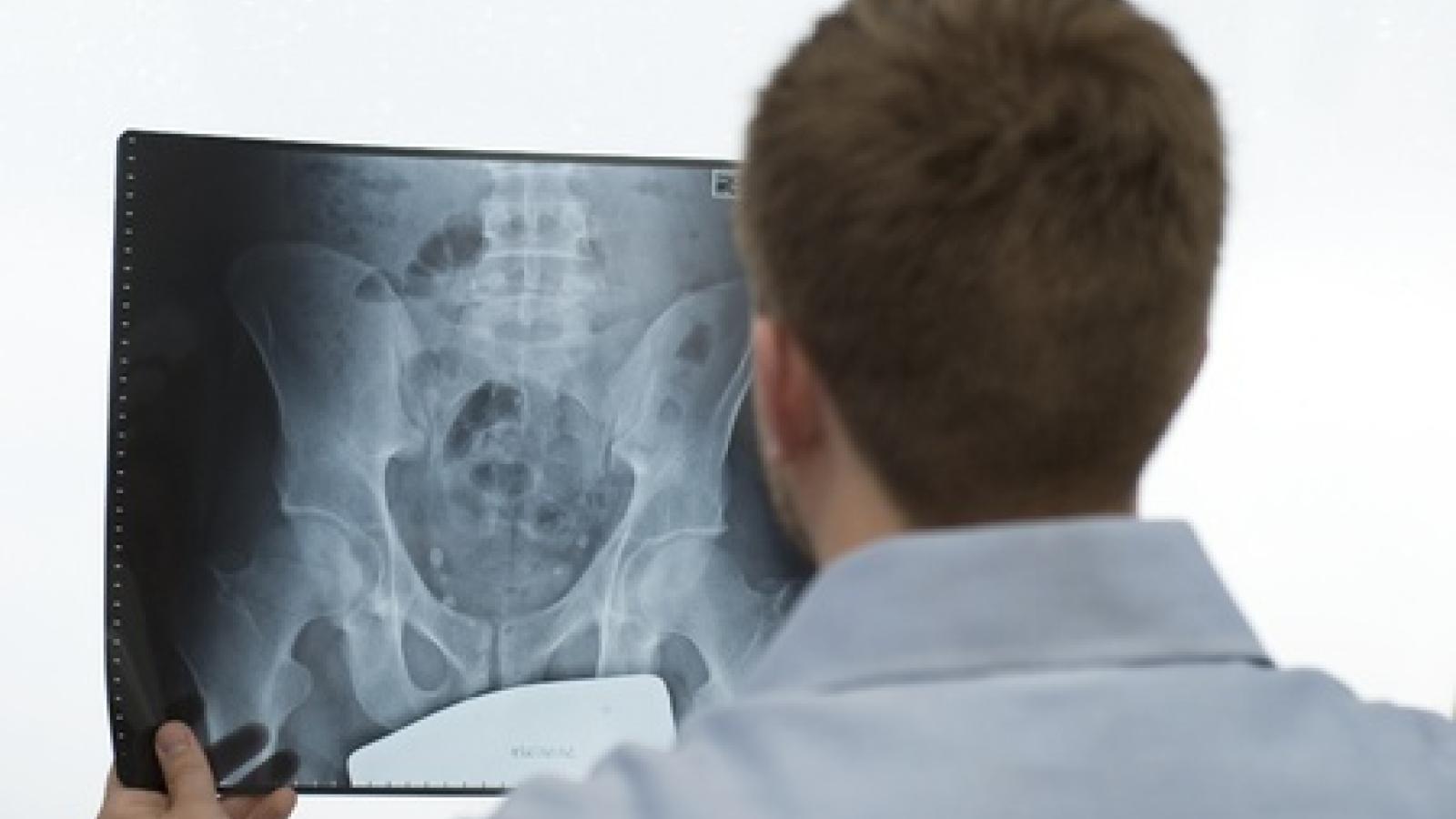
Increased use of MRI for diagnosis of spondyloarthritis (SpA) in the last two decades has led to earlier diagnoses and gradual incorporation of MRI into the SpA assessment toolset. In 2009, an MRI definition was added to the Assessment in SpondyloArthritis International Society (ASAS) criteria for axial spondyloarthritis.
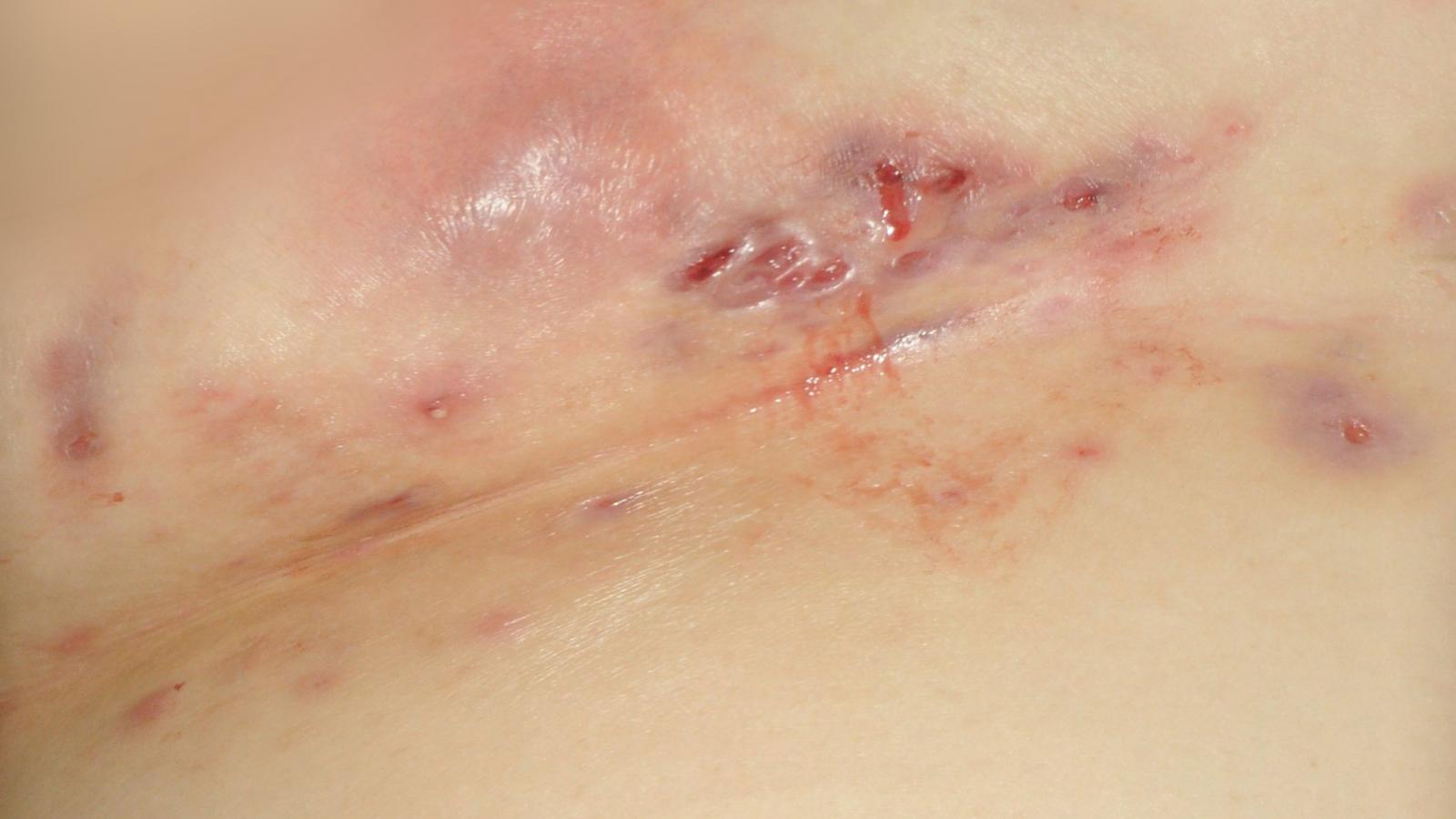
Hidradenitis suppurativa (HS) is a chronic inflammatory disease affecting exocrine glands with painful abscesses in intertriginous areas.
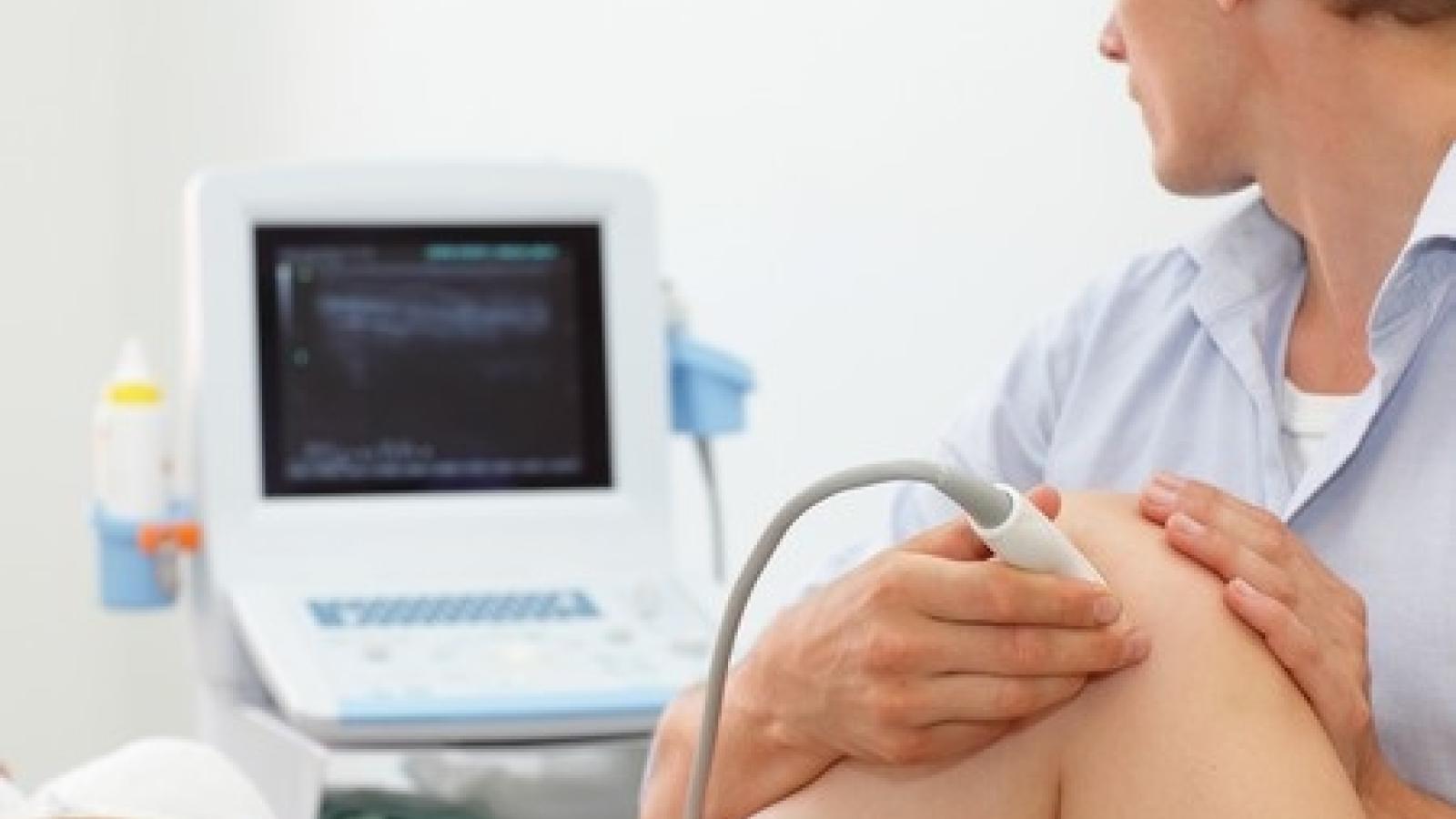
A recent report cites the frequency of musculoskeletal (MSK) ultrasound (US) education in US residency and fellowship training programs. A 2015 survey was sent to program directors to identify cites with formal musculoskeletal ultrasound training, the components of such training and case volume.
My colleagues indulged me in a small experiment. I set before them $100 in cash and offered each of them a choice: take the $100, or flip a coin for a 50% chance to win a certain amount of money that they could specify. They would tell me the minimum amount of money I needed to offer in order to prefer the coin flip over taking the $100. What does this have to do with treat-to-target?

