
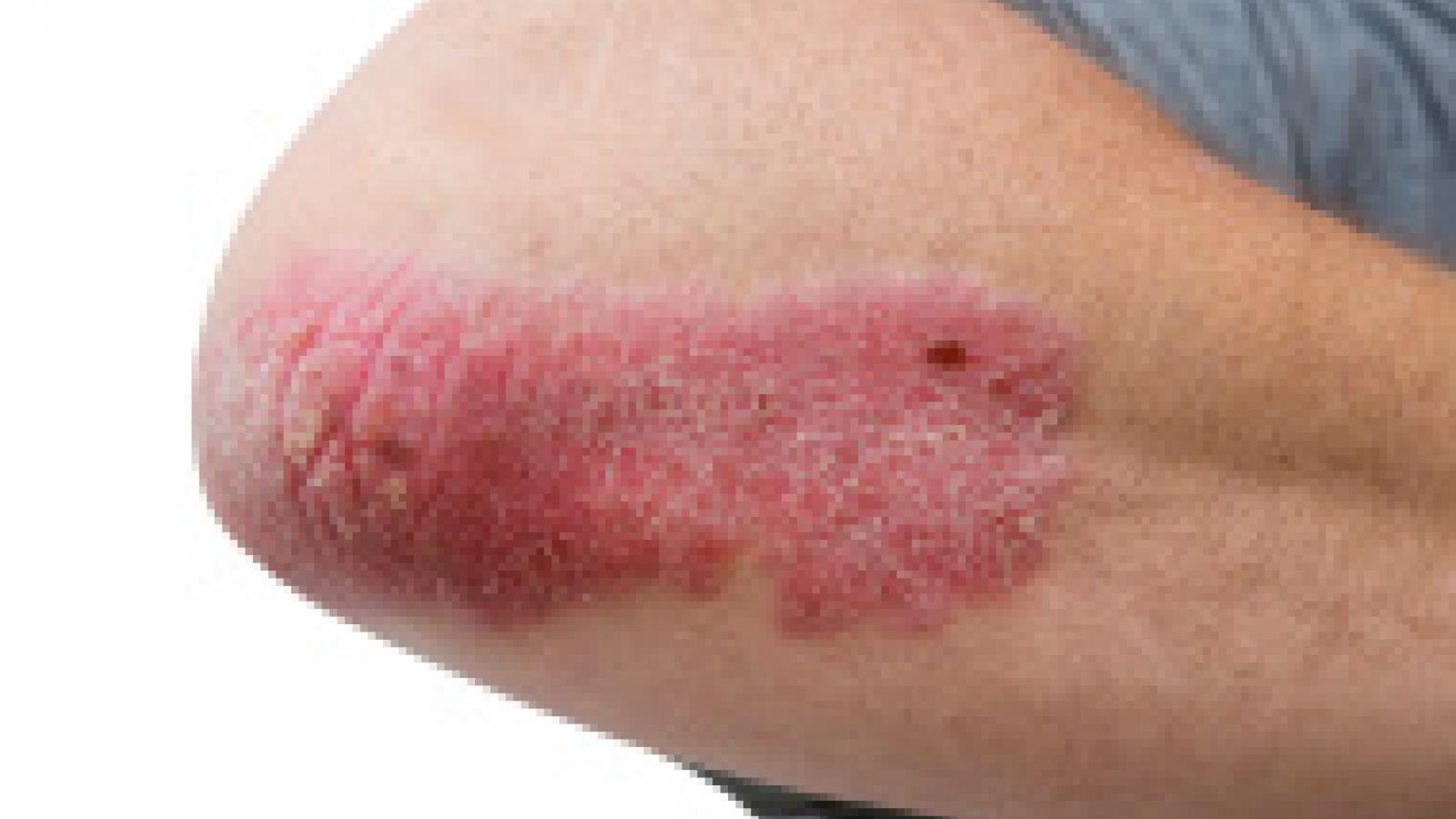
Tumor necrosis factor (TNF) inhibitor therapy was effective in reducing the likelihood that psoriasis would progress to psoriatic arthritis (PsA), a retrospective study indicated.

Mease et al has published the results of a cohort study showing early initiation of disease-modifying antirheumatic drugs (DMARDs) in patients with psoriatic arthritis (PsA) resulted in better outcomes compared to late initiation.

Autoimmune hepatitis (AIH) is a chronic, progressive inflammatory liver disease driven by autoimmune mechanisms, characterized by elevated serum aminotransferases, hypergammaglobulinemia, and interface hepatitis on histology. With an annual global incidence of 1.37 per 100,000, AIH can lead to severe outcomes such as cirrhosis or liver failure if untreated.

The race is on for the first chimeric antigen receptor (CAR)-based therapy to be approved for the treatment of systemic lupus erythematosus. Its main principle is to induce deep B-cell depletion, with the hope to reset the B-cell aberrant immunity for a sustained clinical remission. At EULAR 2025 in Barcelona, several advances of CAR-based therapies will be presented.

BMJ has published a clinical practice guideline resulting from the work of an international, multidisciplinary panel addressing chronic spine pain (≥3 months duration) not associated with cancer or inflammatory arthropathy. This is a chronic (not acute) spine pain guideline.

A current review article suggests that the need for Pneumocystis jirovecii pneumonia (PJP) prophylaxis in patients with systemic lupus erythematosus (SLE) and lupus nephritis will need to be individualized based on therapies and risk factors.

Connective tissue diseases (CTDs) and interstitial lung disease (ILD) represent a challenging intersection of systemic autoimmunity and progressive respiratory impairment. Research presented at EULAR 2025 continues to highlight the importance of CTD-ILD and the evolving landscape of therapeutic options for patients with autoimmune ILDs.

The American College of Physicians published a best practice advisory on cannabis or cannabinoids in the Annals of Internal Medicine.

A retrospective US administrative claims cohort study of RA patients on tumor necrosis factor inhibitors (TNFis), non-TNFi biologics, or Janus kinase inhibitors (JAKis) found a statistically significantly higher risk of incident cancer in patients receiving rituximab, abatacept, or JAKis (compared with TNFis).

The American Gastroenterology Association has published its revised clinical practice guidelines for the prevention and treatment of hepatitis B virus (HBV) reactivation in at-risk patients, particularly those with immune-mediated disease, receiving immunomodulatory therapy and steroids.
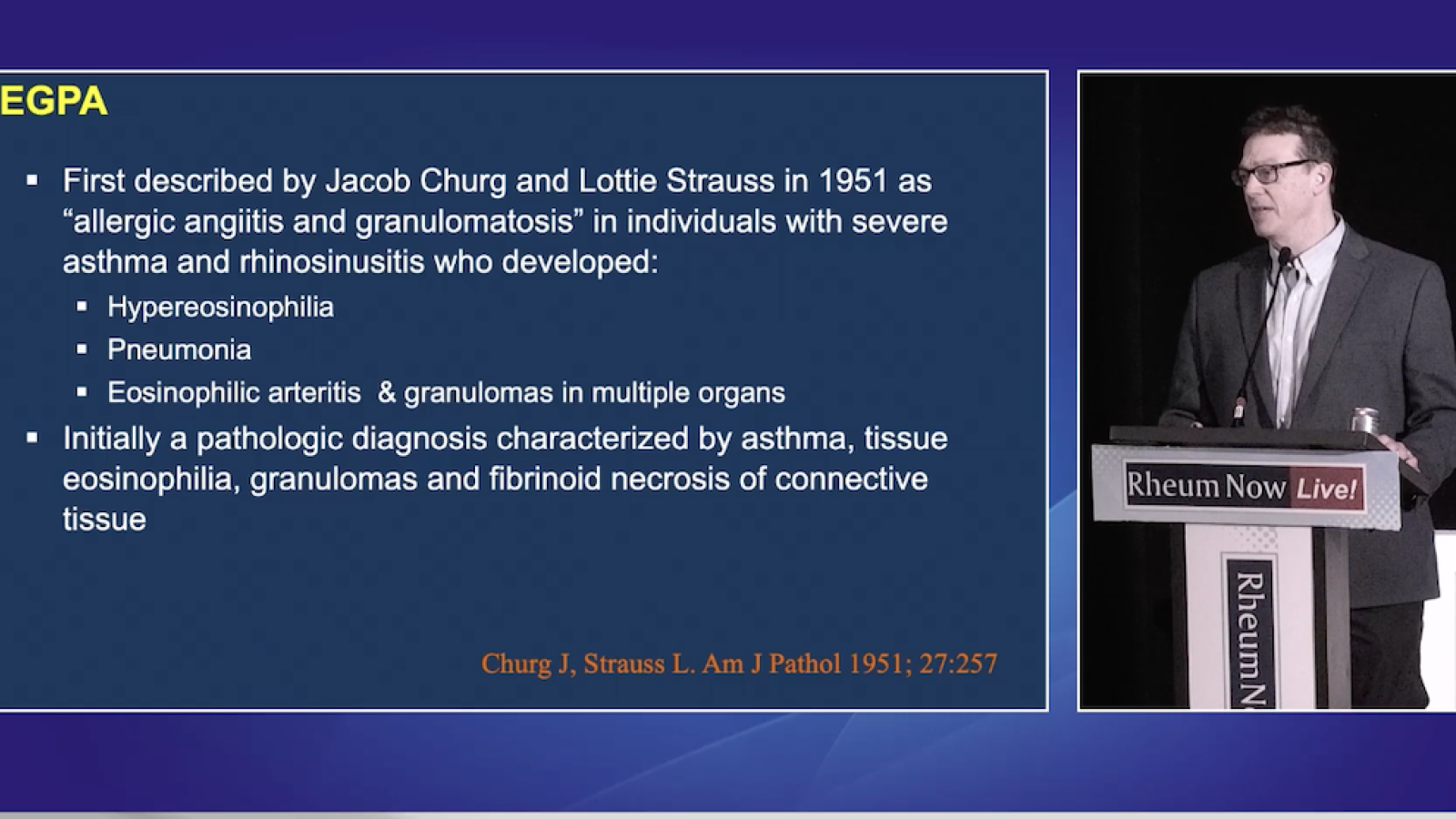
Formerly classified as an ANCA-associated vasculitis, EGPA is both most commonly ANCA negative and clinically different to the other two ANCA-associated vasculitis conditions, GPA and MPA. The management of EGPA has frequently fallen into the trap of being copied from its more common and well-known cousins. Now, however, we are seeing a discordance and following GPA/MPA management will potentially lead to both over-treatment and suboptimal

Choice is not just good, it is often necessary, and secukinumab promises just that in both PMR and GCA.

Despite the advances in the treatment of PsA with biologic (bDMARD) and targeted synthetic (tsDMARD), less than half of patients with this condition achieved remission or low disease activity. Combination DMARD treatment is often used in order to achieve remission or minimal disease activity. The standard practice is to use a conventional synthetic (csDMARD) with a bDMARD. The use of the combination of bDMARD with a tsDMARD such as a JAKi or

A study from the FDA's adverse event reporting system (FAERS or Medwatch) database identified cases of drug induced systemic lupus erythematosus (SLE) in patients receiving tumor necrosis factor-α (TNF-α) inhibitors - a paradoxical reaction to common antiinflammatory biologic agents.

A 24 year, prospective study analyzing very early rheumatoid arthritis (RA) in three consecutive eras suggests that RA has evolved since 2005, demonstrating less seropositivity, inflammation, and erosions but is characterized by more comorbidity, smoking and corticosteroid use.

