

The PROMISSE (Predictors of Pregnancy Outcome: Biomarkers in Antiphospholipid Antibody Syndrome and Systemic Lupus Erythematosus) study has revealed several important lessons in lupus care.

Members of two professional medical societies griped about what they view as the Obama administration's inept attempts to regulate electronic health records (EHRs) and shared their visions for the ideal online platform at a second "town hall" meeting here Tuesday.

The range of categories and diagnostic possibilities is astronomical with the new ICD-10 and its 68,000 codes.
HealthcareDIVE.com has published a humorous piece on 16 absurd uses of ICD-10. Rheumatologists probably won't use any of these codes, but isn't it nice to know they're among the 68,000 code set should you need them? These include:

Rheums do not live by wits and cytokine blockers alone. We need tools, equipment and material goods to be the diagnostician, communicator, and technical wizards that triple-threat rheumatologists propound to be. Not long ago I ranked my top and bottom 5 joints. Now we tackle the most and least important tools of the trade in rheumatology.
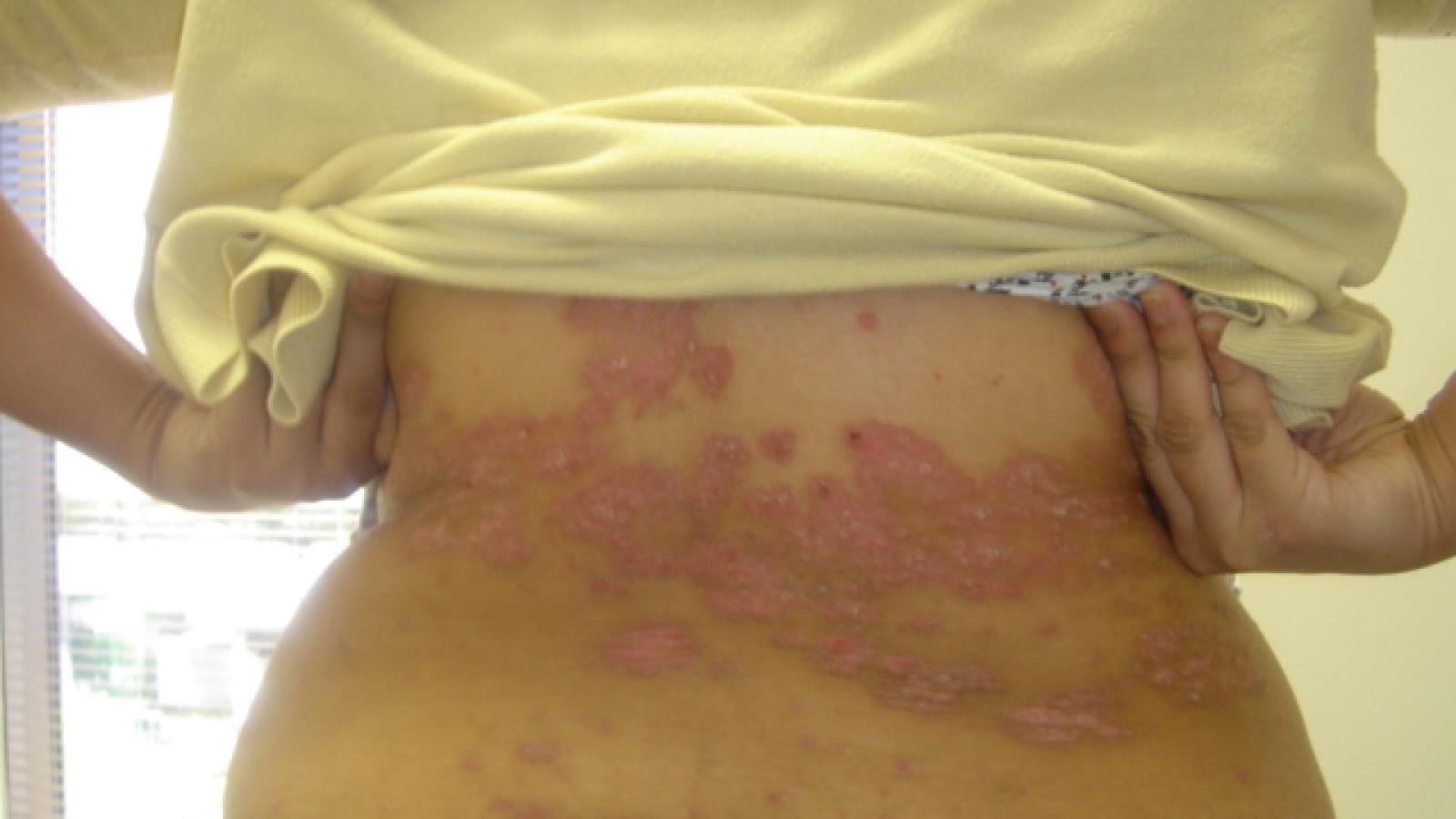
AMAGINE-2 and AMAGINE-3 are in two phase 3 studies that compare multiple doses of brodalumab (anti-IL-17) and ustekinumab (anti-12/23) in adults with moderate-to-severe psoriasis. For 12 weeks, patients were blindly assigned to either 210 mg or 140 mg brodalumab (every 2 weeks), ustekinumab (45 mg or 90 mg every 12 weeks), or placebo.
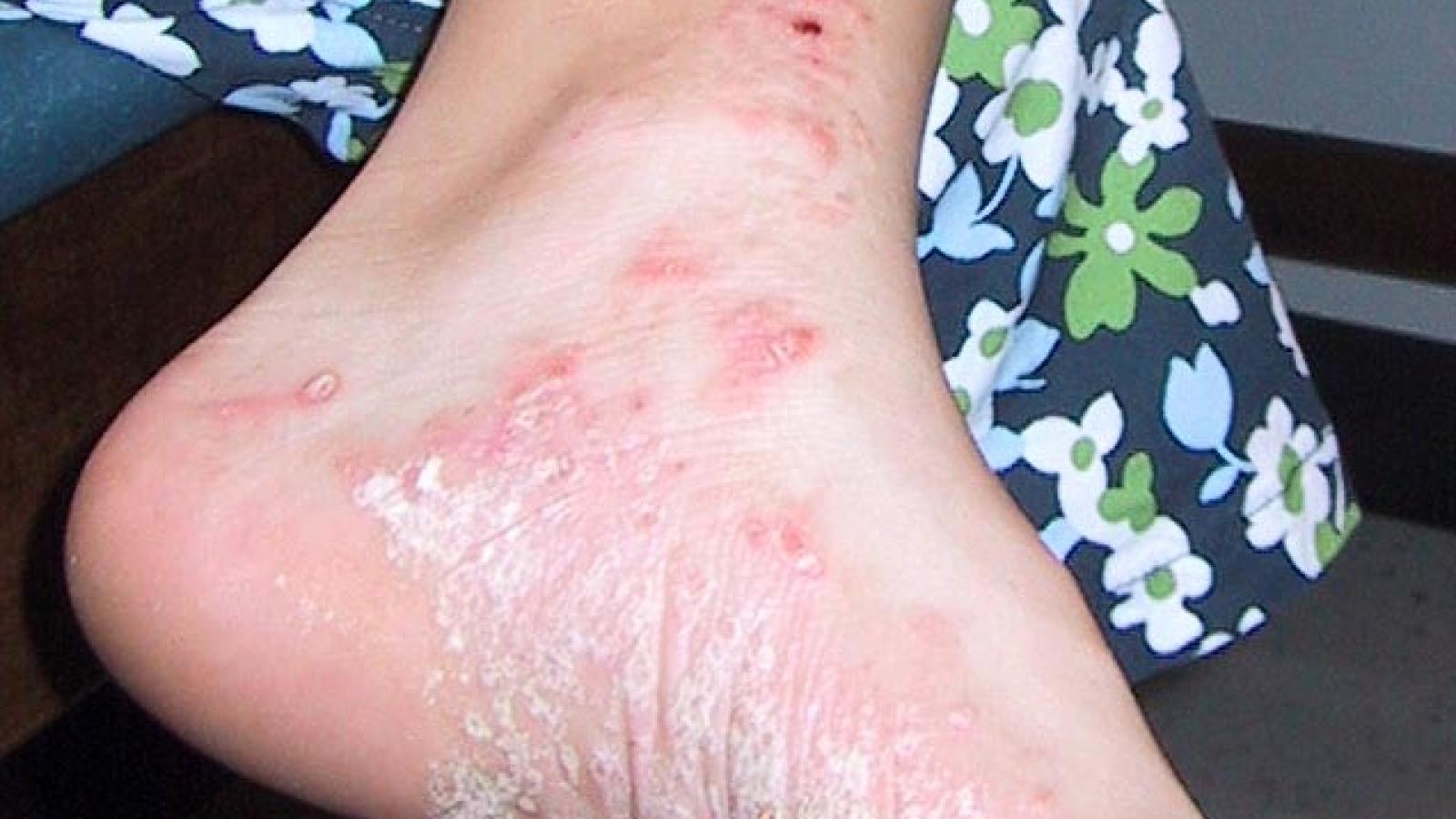
Biologic and new drug development seldom targets children and adolescents. This study evaluated the efficacy and safety of ustekinumab in adolescents age 12 to 17 years with moderate-to-severe psoriasis,
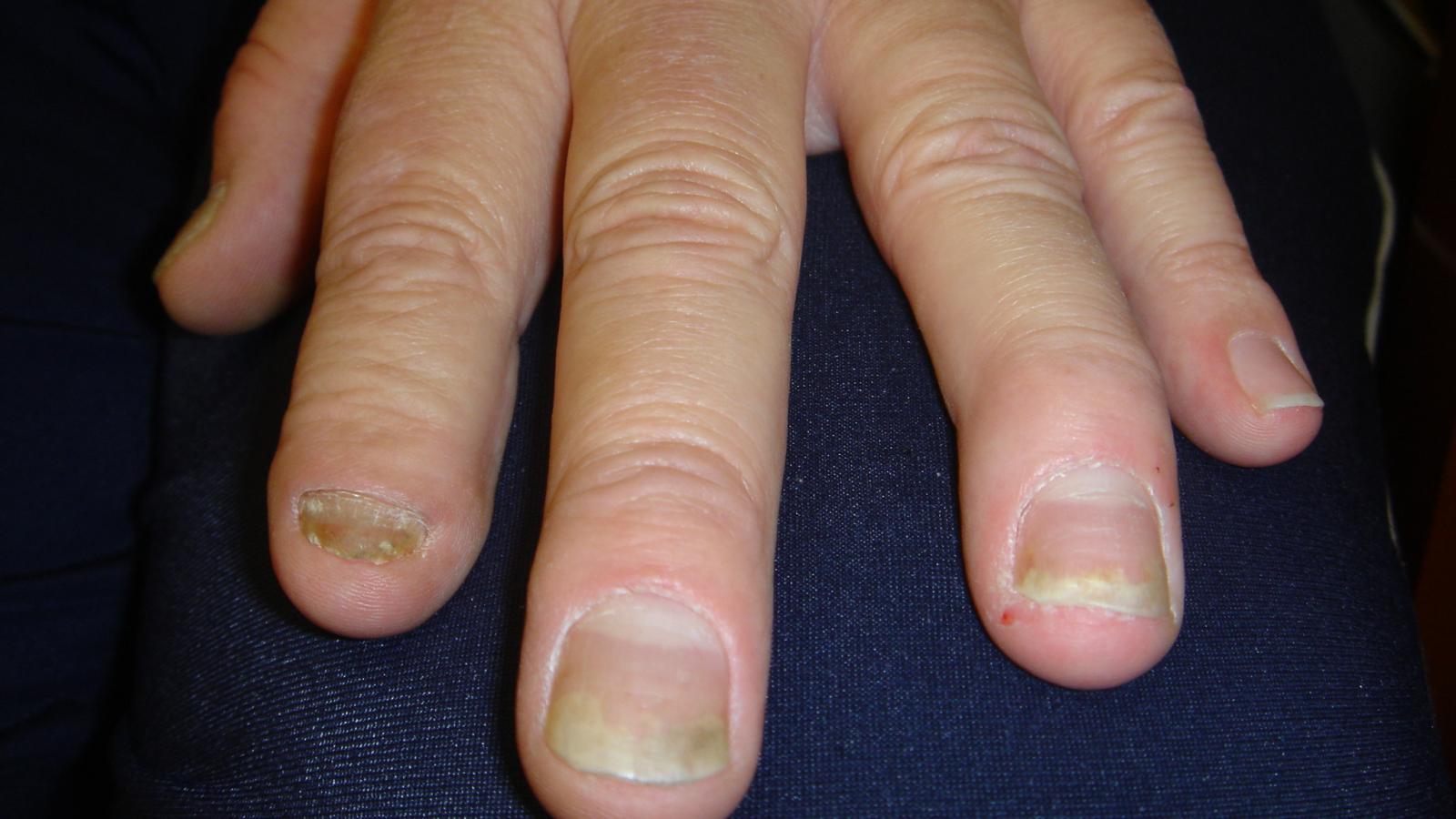
Mease and colleagues have published their results of a phase 3 trial of secukinumab (anti-IL-17A Mab) in 606 patients with psoriatic arthritis (PsA).
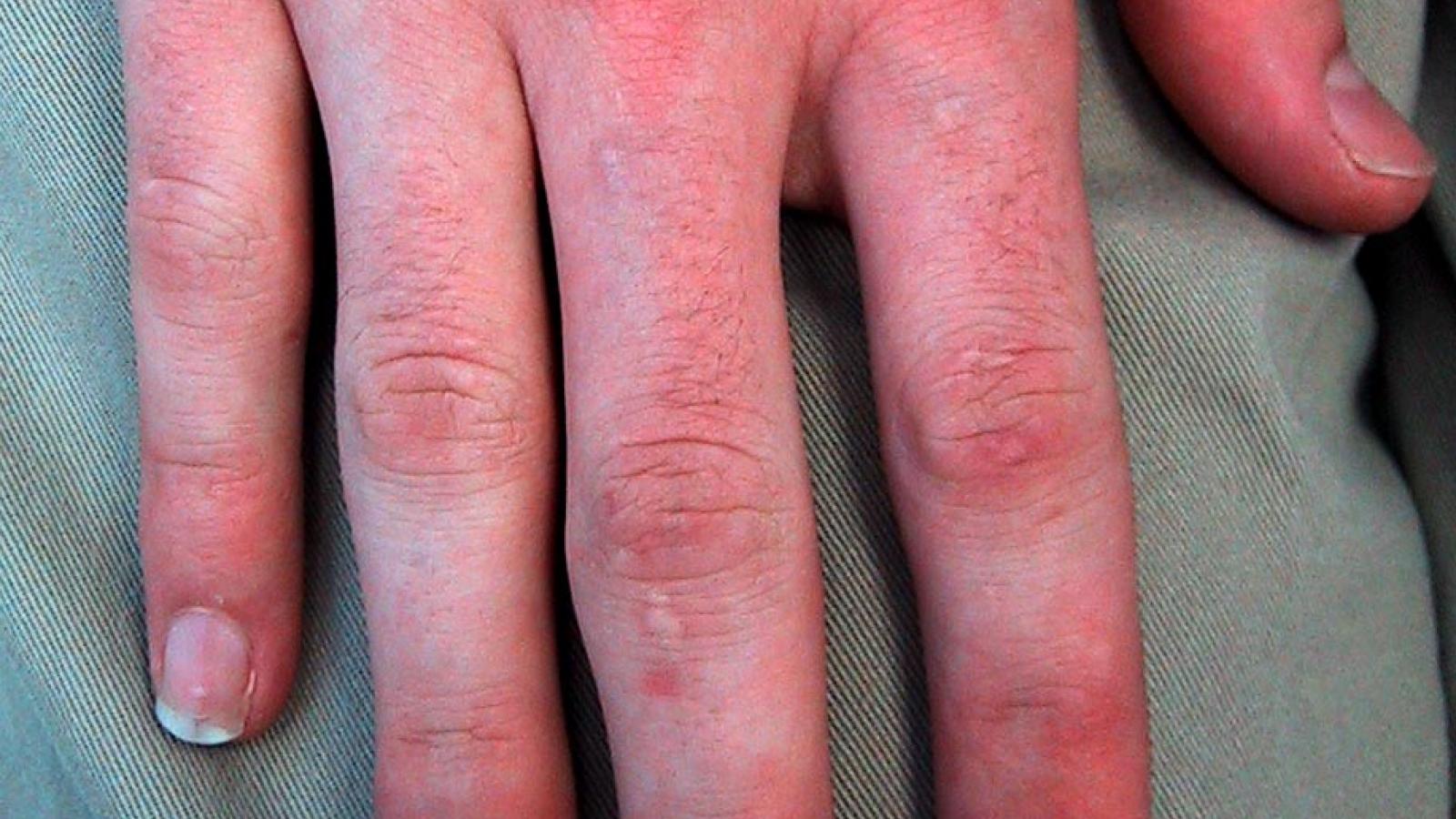
Tight control in rheumatoid arthritis was introduced with the TICORA trial and validated in numerous treat-to-target studies since. Now the benefits of tight control in psoriatic arthritis (PsA) have been reported.

The health consequences of fructose-containing sugars, sucrose and high fructose corn syrup, found in sugar-sweetened beverages and foods, may be numerous and include obesity, type 2 diabetes, gout and cardiovascular disease.

ICD-10 starts tomorrow, October 1st. Your Coding memory will have to increase 5-fold or more as we go from 16,000 to 68,000 new ICD-10 codes. How this will affect each of us remains to be seen. There’s a lot to learn, and many wonder if this will be the next “Y2K”. While that was much ado about nothing, this has significant reimbursement implications.

RheumNow is committed to reporting safety issues in our monthly Drug Safety Bulletins. Each month we will update you with reports of new, ongoing and resolved Drug Shortages that will affect the practicing rheumatologist. If you have suggestions or information about specific drug shortages or drug safety issues please email us at: info@rheumnow.com .
Use your ICD-9 codes today and tomorrow 9/30/15, and then use ICD-10 codes only on 10/1/15 and thereafter. Do not submit both ICD-9 and ICD-10 codes on any day as these will be rejected by CMS.

Diet has long been considered a potential risk factor for the onset or pathogenesis of rheumatoid arthris. Obesity and the microbiome are being intensively studied as risk factors for RA.

Acute coronary syndromes (ACSs), myocardial infarctions and heart failure appear to be a hazardous consequence to systemic and articular inflammation in rheumatoid arthritis. But less is known about the clinical characteristics and the association with short-term cardiac outcome of such ACS.

The ACR and SPARTAN (Spondyloarthritis Research and Treatment Network) has worked together to study 57 specific treatment questions regarding AS and SpA. The following guidelines have recently been published after conducting systematic literature reviews.

